
Best Hands-Free Dog Leash
A hands-free dog leash can make walking feel easier, more natural, and less annoying than constantly holding a standard leash in one hand. But this category only works well when the setup matches your actual routine. A leash that feels great for running is not always the same answer as one built for hiking, everyday neighborhood walks, or handling a larger dog.
This page focuses on practical hands-free leash picks for real-world use: waist comfort, stretch control, clip confidence, everyday usability, and better fit for different dog and owner situations. The goal is not to push one generic answer, but to help you find the type of hands-free leash that actually makes sense for how you move with your dog.
Top Picks for Hands-Free Dog Walking
These five options cover the main buying situations that usually matter most in this category: best overall, best for running, best budget pick, best for hiking, and best for larger dogs needing a more supportive waist-belt setup.
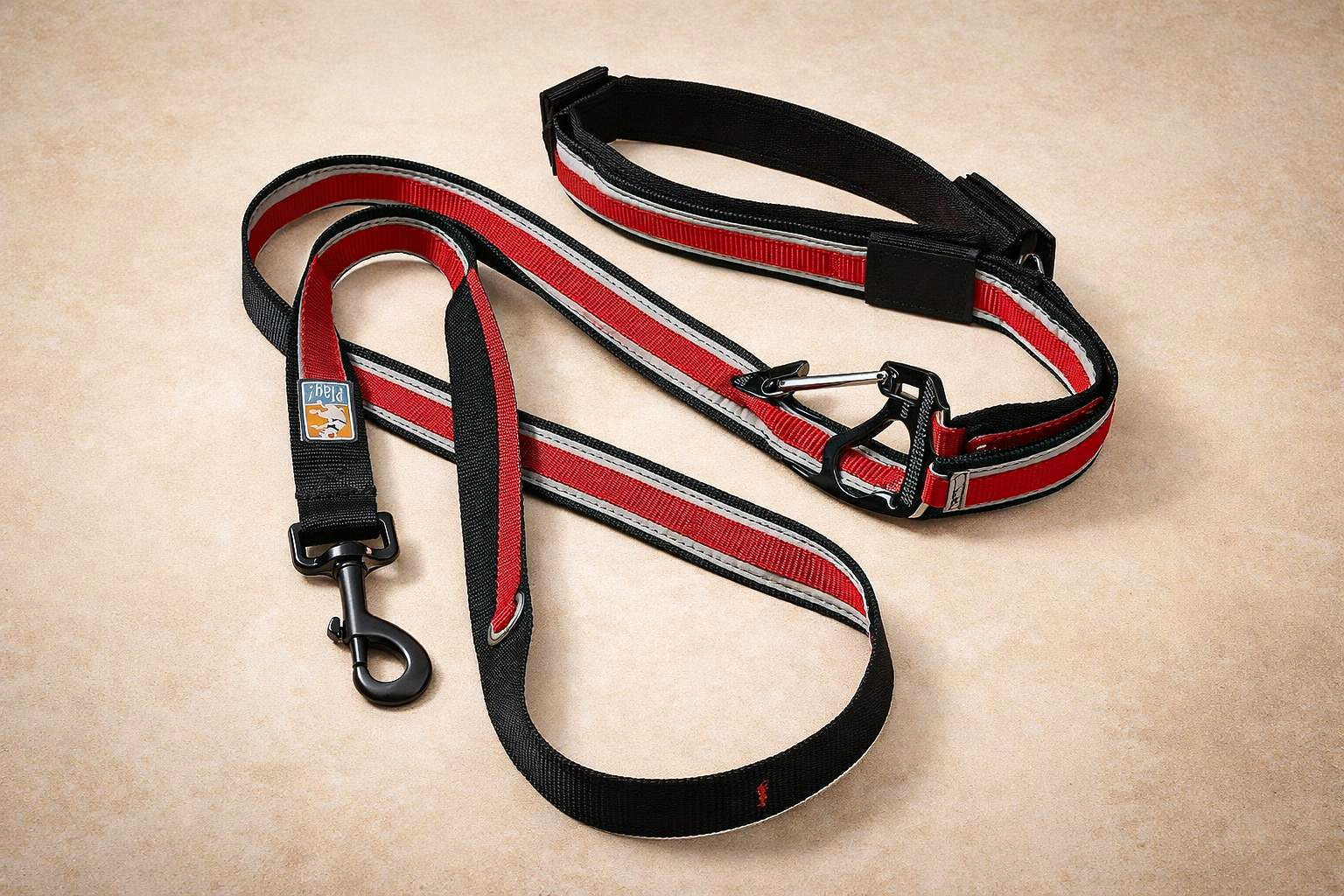
Kurgo 6-in-1 Quantum Leash
Best Overall. The most flexible all-around hands-free option on the page, with multiple carry styles and a cleaner balance between daily practicality and active use.
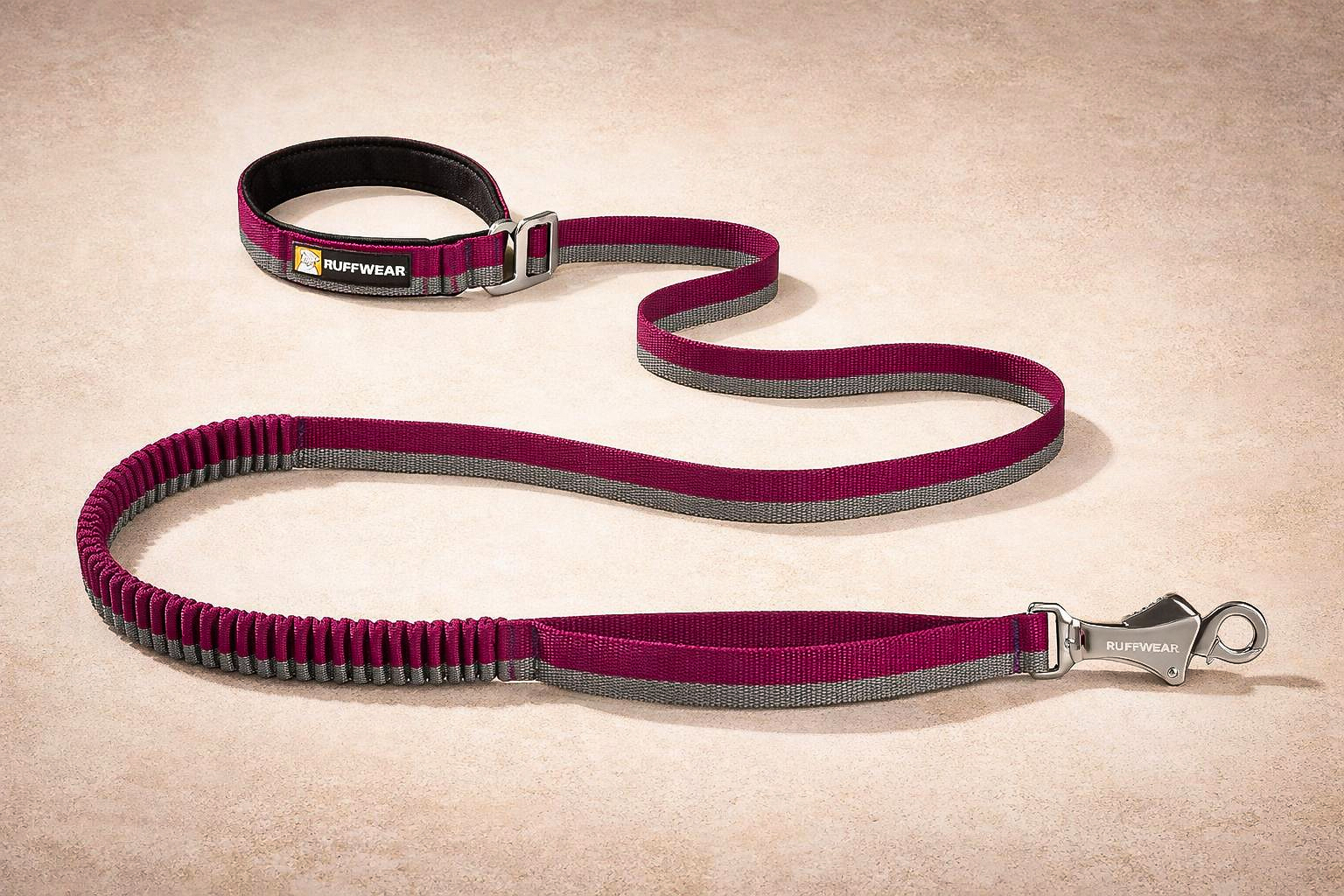
Ruffwear Roamer Bungee Leash
Best for Running. A premium stretch leash for owners who want smoother movement, less jarring pull transfer, and a more athletic overall feel.
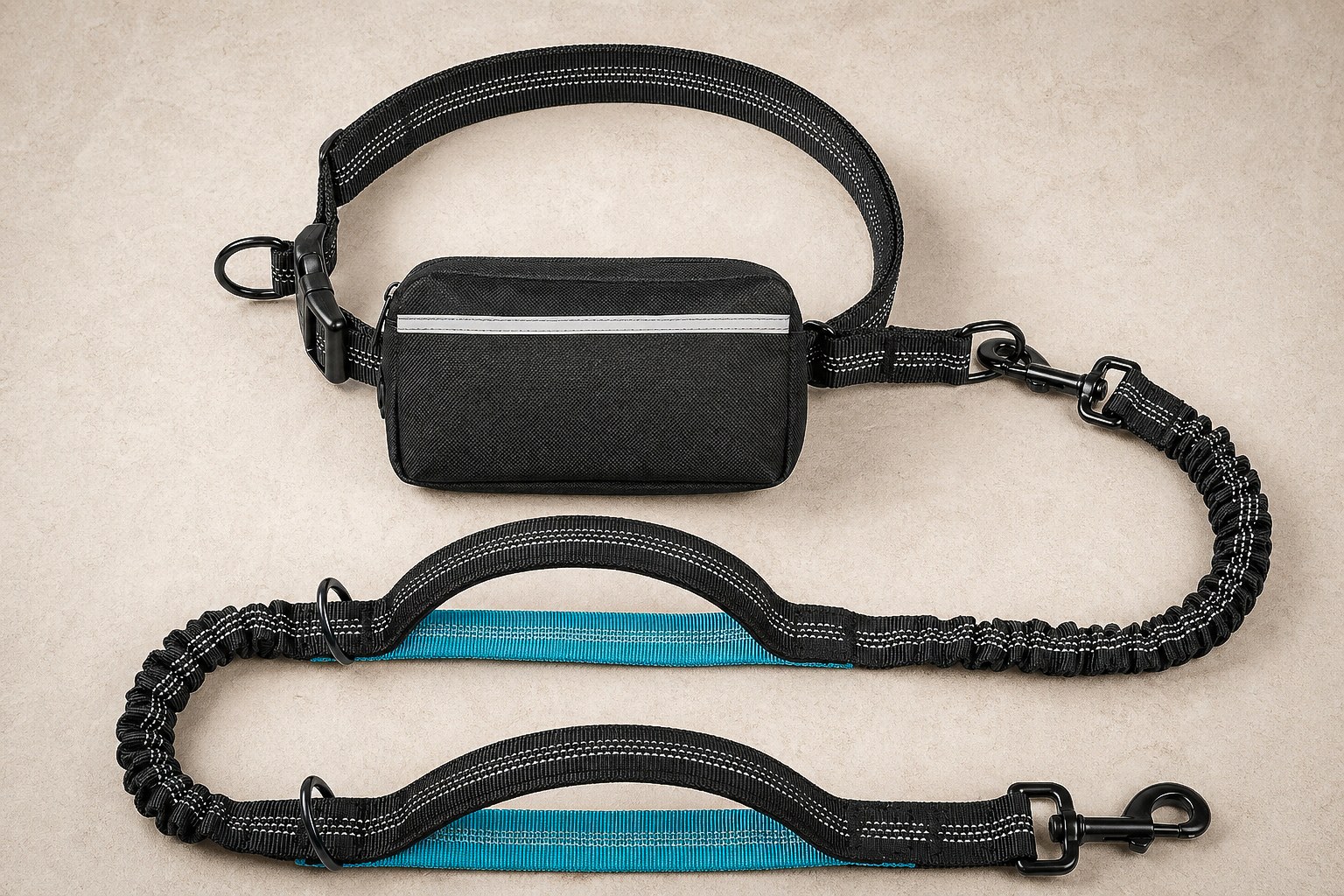
iYoShop Hands-Free Dog Leash
Best Budget Pick. A very mainstream hands-free option with a simple waist setup, useful features, and a lower-friction entry point for most buyers.
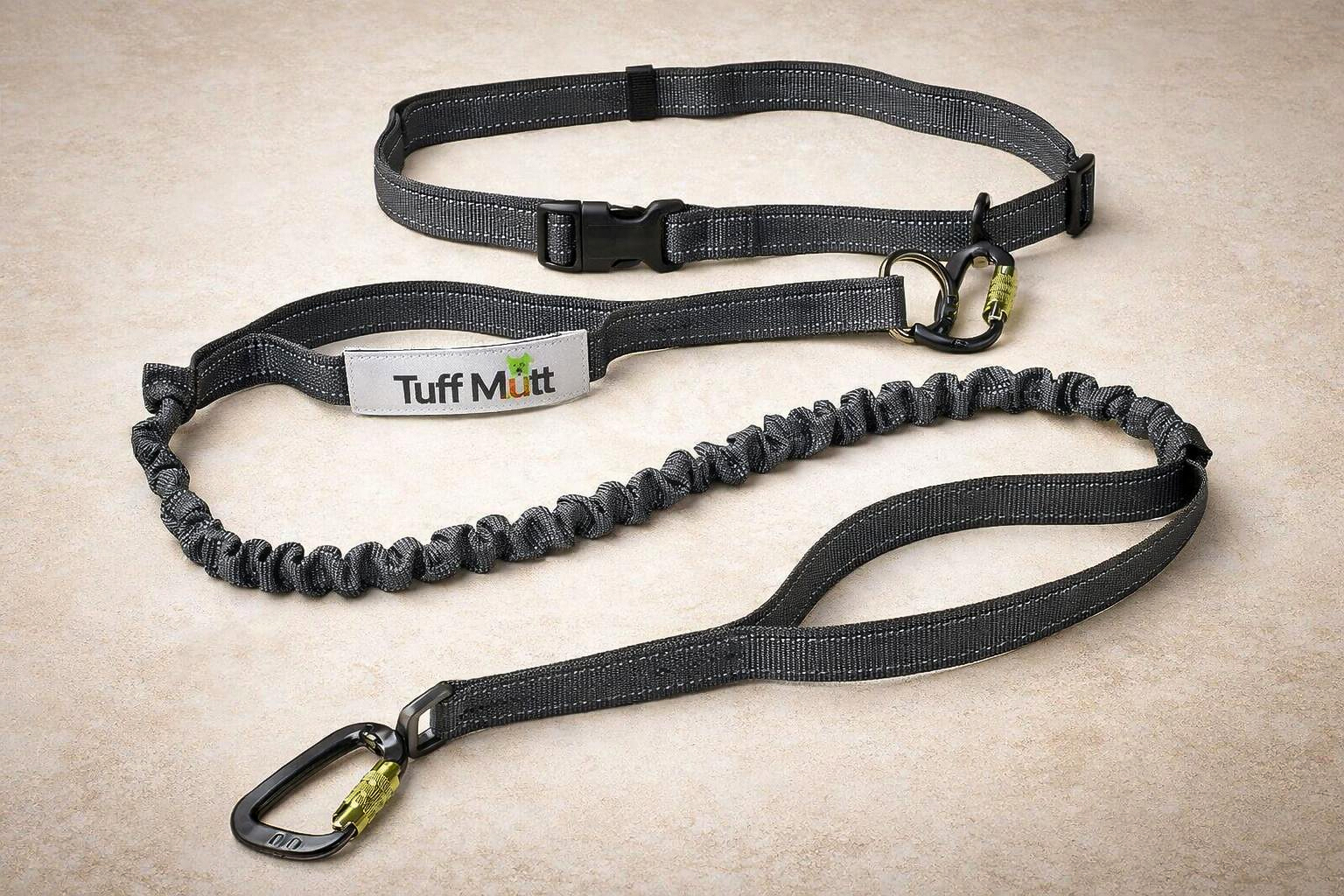
Tuff Mutt Hands-Free Dog Leash
Best for Hiking. Better for owners who want a more outdoors-oriented hands-free leash with stronger control logic than a purely casual walking setup.
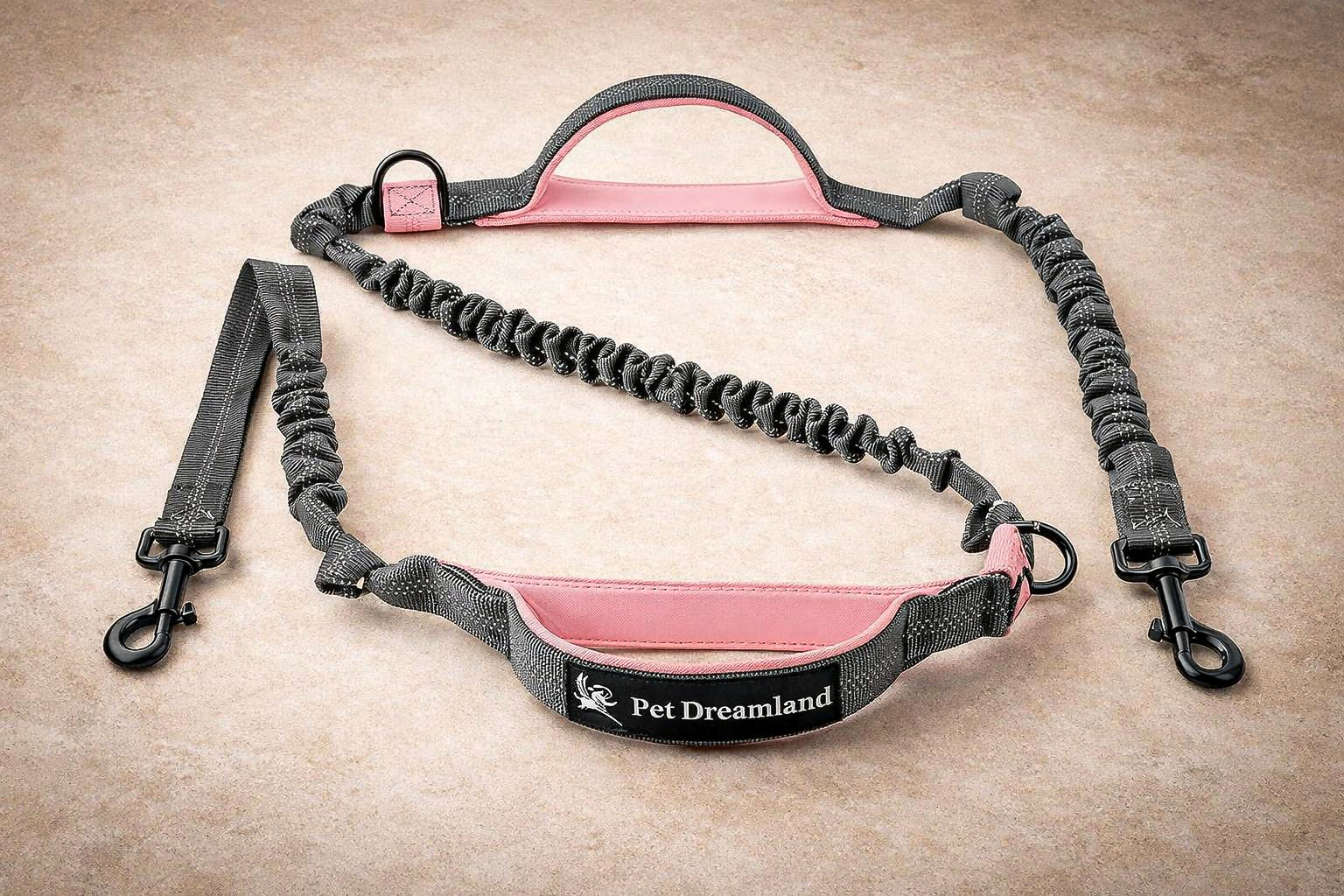
Pet Dreamland Hands Free Dog Leash
Best for Large Dogs. A stronger comfort-and-support oriented belt setup that makes more sense when the dog has more size and more physical presence.
Quick Comparison Matrix
| Product | Best For | Leash Style | Weight Feel / Build | Ease of Use | Control / Stability | Main Strength | Amazon |
|---|---|---|---|---|---|---|---|
| Kurgo 6-in-1 Quantum Leash | Most owners | Multi-use hands-free leash | Medium, versatile build | Moderate | High | Versatility across walking styles | View |
| Ruffwear Roamer Bungee Leash | Running and more active use | Bungee waist leash | Light to medium premium build | Easy | Moderate to high | Smoother pull absorption | View |
| iYoShop Hands-Free Dog Leash | Budget-minded mainstream buyers | Waist leash with pouch | Medium | Easy | Moderate | Value and mainstream popularity | View |
| Tuff Mutt Hands-Free Dog Leash | Hiking and stronger outdoor use | Bungee waist leash | Medium to sturdy | Moderate | High | Better trail-style control | View |
| Pet Dreamland Hands Free Dog Leash | Larger dogs and more supportive waist fit | Belt-style hands-free system | Medium to heavier-duty comfort build | Moderate | High | Support and comfort for bigger dogs | View |
How We Picked These Hands-Free Dog Leashes
1. Use-case fit came first
Hands-free only works well when the product matches the situation. The first filter was whether the leash made sense for a real use case: general walking, running, hiking, or handling a larger dog with more physical pull.
2. Safe bestseller bias
The goal here is not random novelty gear. The page leans toward plausible, conversion-friendly options with strong buyer acceptance and cleaner brand trust than generic marketplace lookalikes.
3. Different buying problems, not five clones
Instead of showing five small variations of the same leash, this lineup covers different reasons people buy: flexibility, running comfort, budget value, hiking use, and stronger support for larger dogs.
4. Everyday practicality mattered
Waist comfort, leash feel, clip confidence, usable shock absorption, and how fast you can regain control mattered more than feature overload.
Best Hands-Free Leash Options Explained
Kurgo 6-in-1 Quantum Leash
This is the strongest all-around starting point because it solves more than one problem without becoming messy. It can adapt to different walking styles, which makes it more useful than a hands-free leash that only works well in one narrow scenario.
It makes the most sense for owners who want one leash that can cover daily walks, casual hands-free use, and a more flexible overall routine without forcing them into a fully running-specific setup.
- Best overall hands-free pick
- Strong multi-use flexibility
- Better for owners who want one adaptable leash
Ruffwear Roamer Bungee Leash
This is the cleaner premium running choice when you want smoother movement and less abrupt pull transfer through your body. The stretch element matters most when both you and the dog are moving with more rhythm and more pace.
It is a better fit for active owners who want the leash to feel more athletic and less rigid than a basic waist-belt setup.
- Best for running
- Better shock absorption feel
- Premium option for more active routines
iYoShop Hands-Free Dog Leash
This is the practical budget-oriented mainstream pick for buyers who want the hands-free format without paying for a more premium trail or running brand. It covers the basic hands-free need in a straightforward way and makes the most sense when value matters more than refinement.
It is especially useful for buyers who want a clear entry point into the category rather than the most technical leash on the page.
- Best budget pick
- Mainstream value-focused option
- Good for casual everyday hands-free use
Tuff Mutt Hands-Free Dog Leash
This is the stronger outdoor-use choice when your hands-free leash needs to make more sense on trails, rougher walks, or more physical dogs. It earns its place by targeting a slightly more controlled, outdoors-oriented use case than casual everyday waist leashes.
It is the cleaner answer when hiking matters more than pure running feel.
- Best for hiking
- Better trail-style control
- Useful for more outdoor-focused use
Pet Dreamland Hands Free Dog Leash
This is the better fit for larger dogs or owners who care more about waist-belt support and comfort than about having the lightest minimalist running setup. It makes more sense when the leash system needs to feel a little more planted and confidence-inspiring.
If the dog has more physical presence, a more supportive belt-style setup can be the smarter choice than a lighter casual option.
- Best for large dogs
- More supportive belt-style setup
- Better for stronger dog-and-owner load
Best for Specific Hands-Free Situations
Best for Most Owners
If you want one hands-free leash that covers the widest range of normal use cases without becoming overly specialized, the Kurgo pick is the cleanest place to start.
Best fit to start with: Kurgo 6-in-1 Quantum Leash
Best for Running
If your goal is smoother movement and less harsh pull transfer while you are both in motion, the Ruffwear option is the cleanest athletic step up.
Best fit to start with: Ruffwear Roamer Bungee Leash
Best for Hiking
If trail use, stronger outdoor control, and a more rugged overall feel matter more than pure running comfort, the Tuff Mutt pick is the better match.
Best fit to start with: Tuff Mutt Hands-Free Dog Leash
Best for Larger Dogs
If the dog has more weight and more physical pull, a more supportive waist-belt system usually makes more sense than a lighter casual setup.
Best fit to start with: Pet Dreamland Hands Free Dog Leash
What Actually Matters Most in a Hands-Free Dog Leash
Waist stability matters more than people expect
A hands-free leash only feels good when the waist setup stays predictable instead of constantly shifting, bouncing, or riding up.
Shock absorption should help, not feel sloppy
A little stretch can smooth movement well, but too much can make the leash feel vague and less controlled.
Control matters more than the “hands-free” idea
The best hands-free leash is not the one that removes your hands completely. It is the one that still lets you regain control quickly when needed.
Activity match matters
Running, hiking, and normal neighborhood walks create different leash demands. One setup does not automatically excel at all three.
Dog size and pulling style matter
A lighter casual waist leash can be fine for one dog and completely wrong for another with more strength or more inconsistent pulling.
Hardware confidence matters
With hands-free gear, weak clips or vague adjustment hardware create more stress than they do on a basic handheld leash.
Common Mistakes When Buying a Hands-Free Dog Leash
Buying based on the hands-free idea alone
Not every dog and not every walking environment fits the hands-free format equally well.
Ignoring belt comfort and stability
If the waist section feels bad, the whole system feels bad, no matter how good the leash itself sounds on paper.
Choosing too much stretch
More bungee is not automatically better. Too much movement can make control feel slower and less precise.
Using the same setup for running and hiking without thinking
Those two use cases overlap, but they are not identical. The best choice depends on whether you care more about smooth motion or stronger trail control.
Buying the cheapest option without checking dog size
A value-focused leash can be fine, but not every budget setup is a good match for larger or more physical dogs.
Treating all hands-free leashes as the same
Multi-use, running, hiking, and support-heavy belt systems solve different problems and should not be treated as interchangeable.
Frequently Asked Questions
Are hands-free dog leashes good for everyday walks?
They can be, especially when the dog walks reasonably well and the leash system feels stable around the waist.
Are hands-free leashes good for dogs that pull?
Sometimes, but it depends on how hard the dog pulls and how supportive the waist setup is. Some dogs still do better on a standard leash.
What is the best hands-free dog leash for running?
A leash with smoother stretch, comfortable waist wear, and less abrupt pull transfer usually makes the most sense for running.
Can I use a hands-free leash for hiking?
Yes, but hiking usually benefits from a more control-oriented setup than a purely casual walking or jogging leash.
What matters most in a hands-free leash?
Waist comfort, control, hardware confidence, and how well the leash matches your actual routine matter more than extra features.