Dog Training Tools for Better Habits and More Consistent Routines
Good training tools do not replace consistency, but they can make daily training much easier to repeat. This hub helps you compare treat pouches, clickers, whistles, puppy crates, puppy training treats, training collars, and practical leash training guides based on real needs like reward timing, recall work, puppy routines, pulling on walks, and building more structured habits.
Browse Dog Training Guides
Use these guides to compare the main types of dog training tools and support pages. The goal is not to push one universal method, but to help you choose the right tools and training path based on your dog’s behavior, your training style, your puppy routine needs, and the kind of habit you want to improve first.

Best Dog Training Treat Pouch
Compare treat pouches that make rewards easier to carry, faster to access, and more practical during daily sessions.

Best Clicker for Dog Training
Explore clickers designed to improve timing, consistency, and clearer communication during reward-based training.
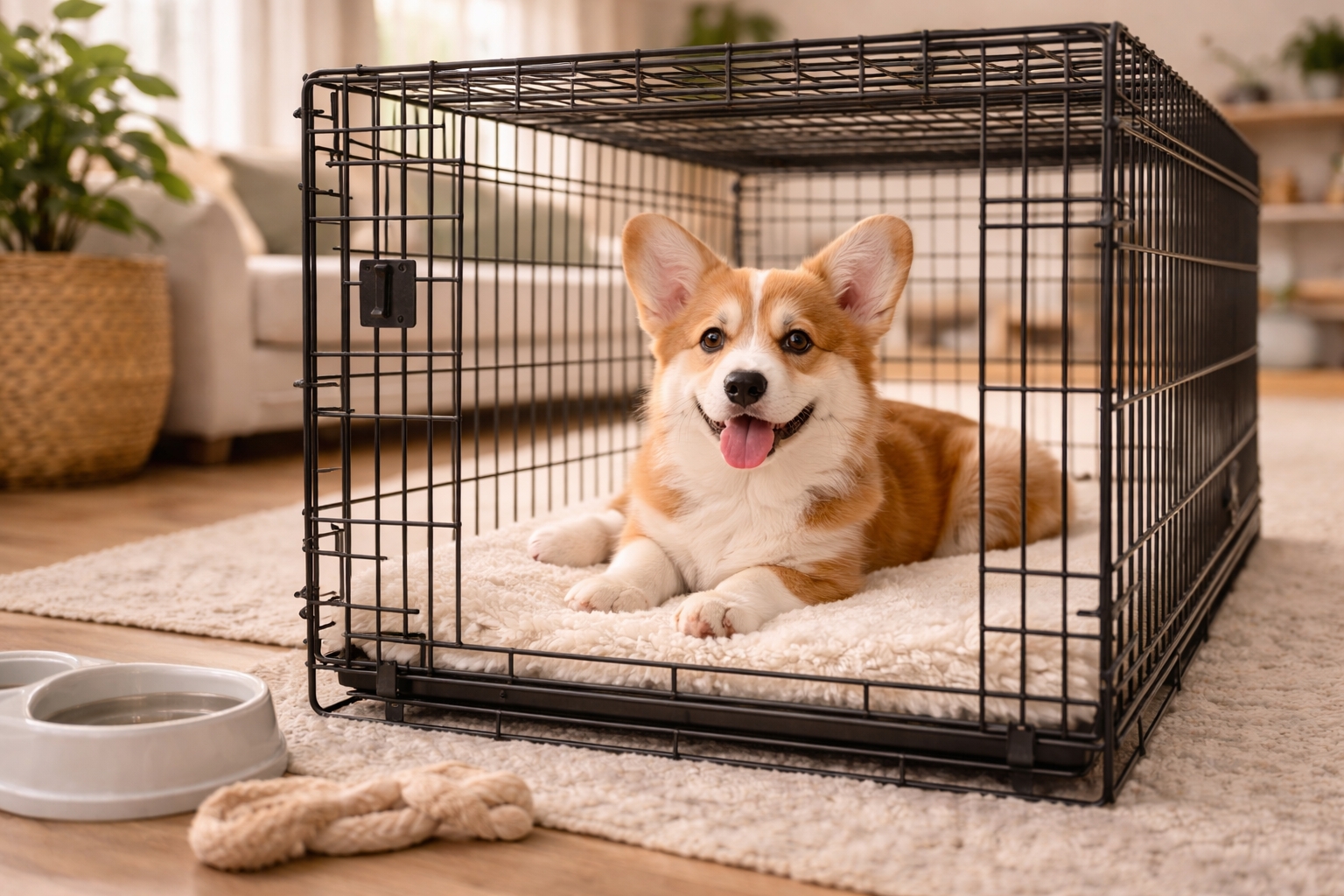
Best Crate for Puppy
Compare puppy crate options designed to support structure, rest routines, safer home management, and early training consistency.
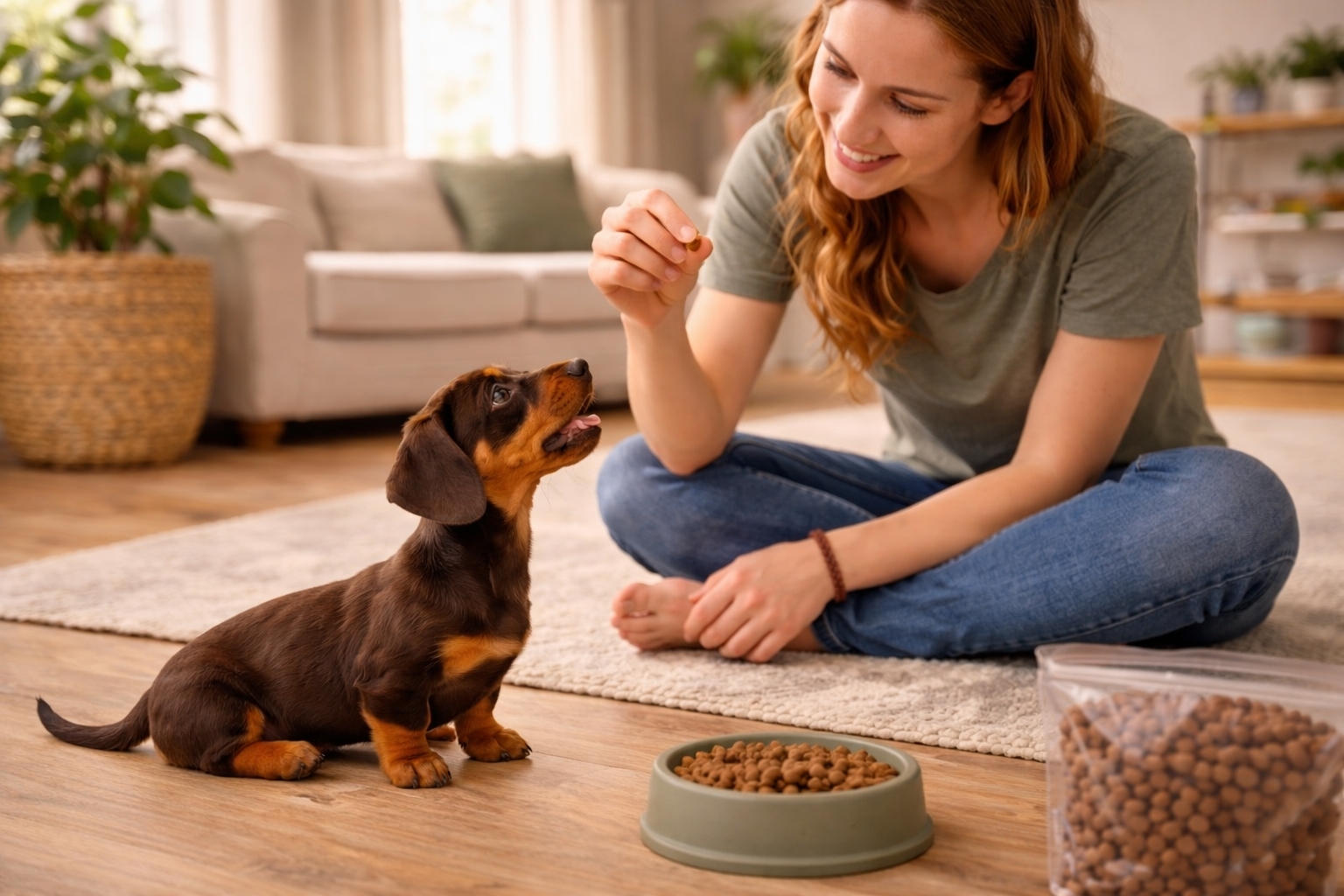
Best Training Treats for Puppies
Explore puppy-friendly training treats designed for easier reward delivery, better repetition, and more practical early sessions.

Best Dog Training Whistle
Compare whistles that can help with recall work, distance cues, and more consistent sound-based training.

How to Stop Dog Pulling
Learn practical ways to improve leash behavior and reduce pulling during daily walks.

How to Train a Dog on Leash
Explore a more general leash training guide for building better walking habits and more controlled movement on walks.

Best Dog Training Collar
Explore training collar options for owners comparing different tools and trying to understand where they fit inside a more structured setup.
Shop by Training Situation
Some owners already know what tool they want, while others only know the training problem they need to solve. These shortcuts help you move faster into the most relevant dog training guides.
For Faster Reward Delivery and Better Session Flow
Start here if you want training to feel more organized, with rewards easier to carry and easier to deliver on time.
For Better Marker Timing and Clearer Communication
If timing matters more in your sessions, these tools help create clearer signals and more repeatable feedback.
For Puppies and Early Structure
Puppy training often works best with simple structure, crate routine, and easier reinforcement during short early sessions.
For Pulling Problems on Walks
This is the best place to start if the biggest daily frustration is leash pulling and less controlled walks.
Stop Dog Pulling · Train a Dog on Leash · Harnesses for Strong Pullers
For General Leash Skills and Better Walking Habits
Use these guides if you want a broader leash training foundation instead of solving only one specific issue.
For Recall and Distance Cue Work
If you want a clearer sound cue for outdoor training or recall practice, whistles are the right place to compare.
For Small Dogs and Lighter Training Setups
If smaller size changes how you think about handling, rewards, walking structure, and gear, use the focused small-dog hub.
For More Structured Tool Comparisons
Some owners want to understand the broader tool landscape before choosing what fits their training style.
How This Training Hub Works
This page is designed to help you narrow the right training setup faster. Start with the behavior problem or training need you want to improve, then compare closely related tools and guides before deciding what best fits your dog, routine, and training style.
For example, someone focused on pulling may still need to compare leash skills, harness choice, reward timing, and puppy-stage structure together instead of treating each training decision in isolation.