
Best Dog Hiking Harness
A dog hiking harness sounds easy to buy until you compare what actually matters on real trails. Some harnesses feel fine for ordinary neighborhood walks but make much less sense once you add hills, longer routes, uneven terrain, creek crossings, trail distractions, or the need for a stronger handle and better all-around stability.
This page focuses on practical dog hiking harness picks for real outdoor use: comfort over distance, leash control, adjustability, handle usefulness, durability, and whether the harness actually fits hiking instead of just borrowing the word “adventure” in the listing. The goal is not to push one generic answer, but to help you choose the kind of hiking harness that makes sense for your dog’s build, your normal route style, and how serious your outdoor use really is.
Top Picks for Dog Hiking Harnesses
These six options cover the buying situations that usually matter most in this category: best overall, best lightweight trail harness, best for lift assistance, best tactical-style outdoor harness, best premium explorer-style pick, and best practical mainstream adventure harness.
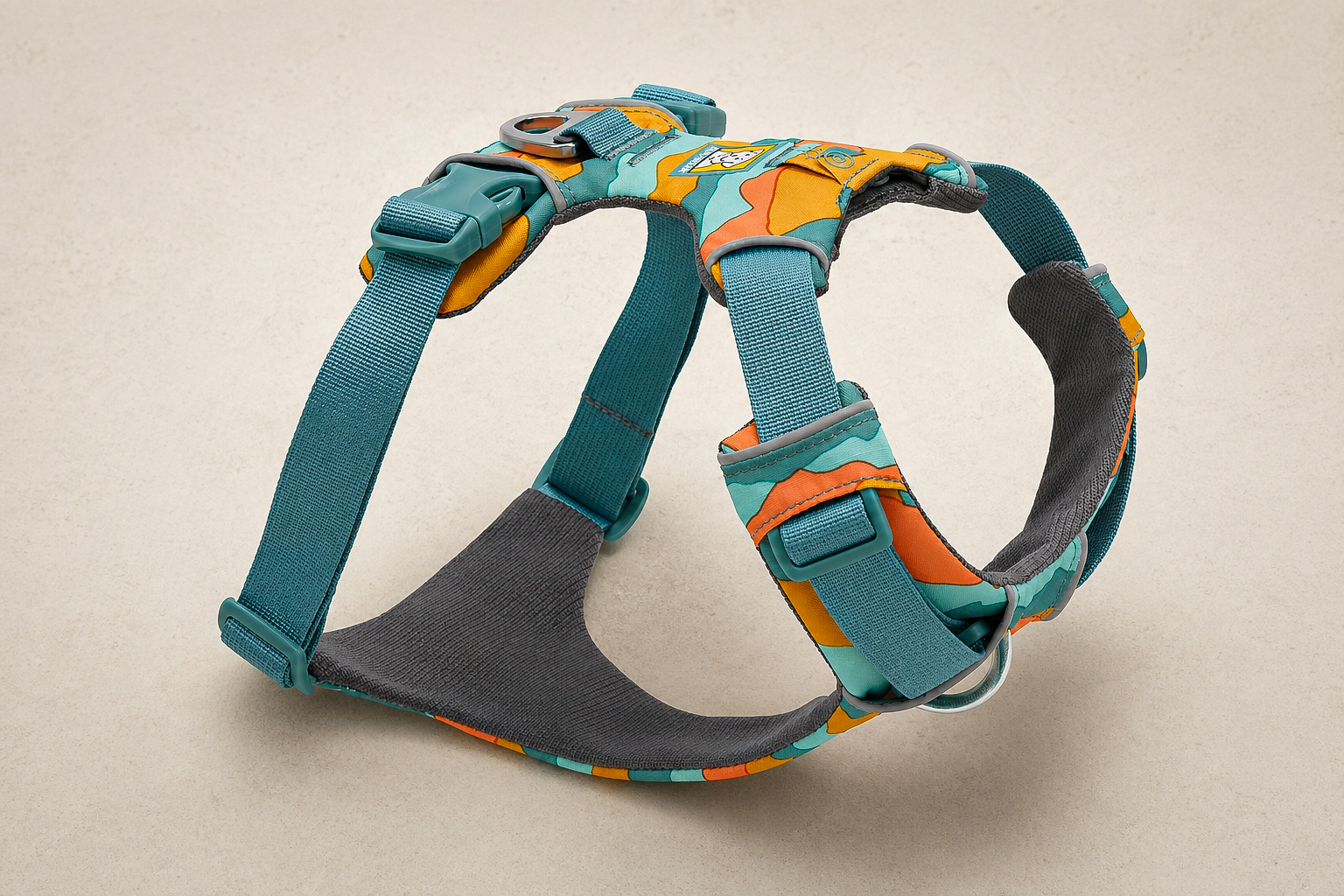
Ruffwear Front Range Dog Harness
Best Overall. A strong all-around starting point for owners who want a trail-capable harness that balances comfort, control, fit quality, and everyday usability.
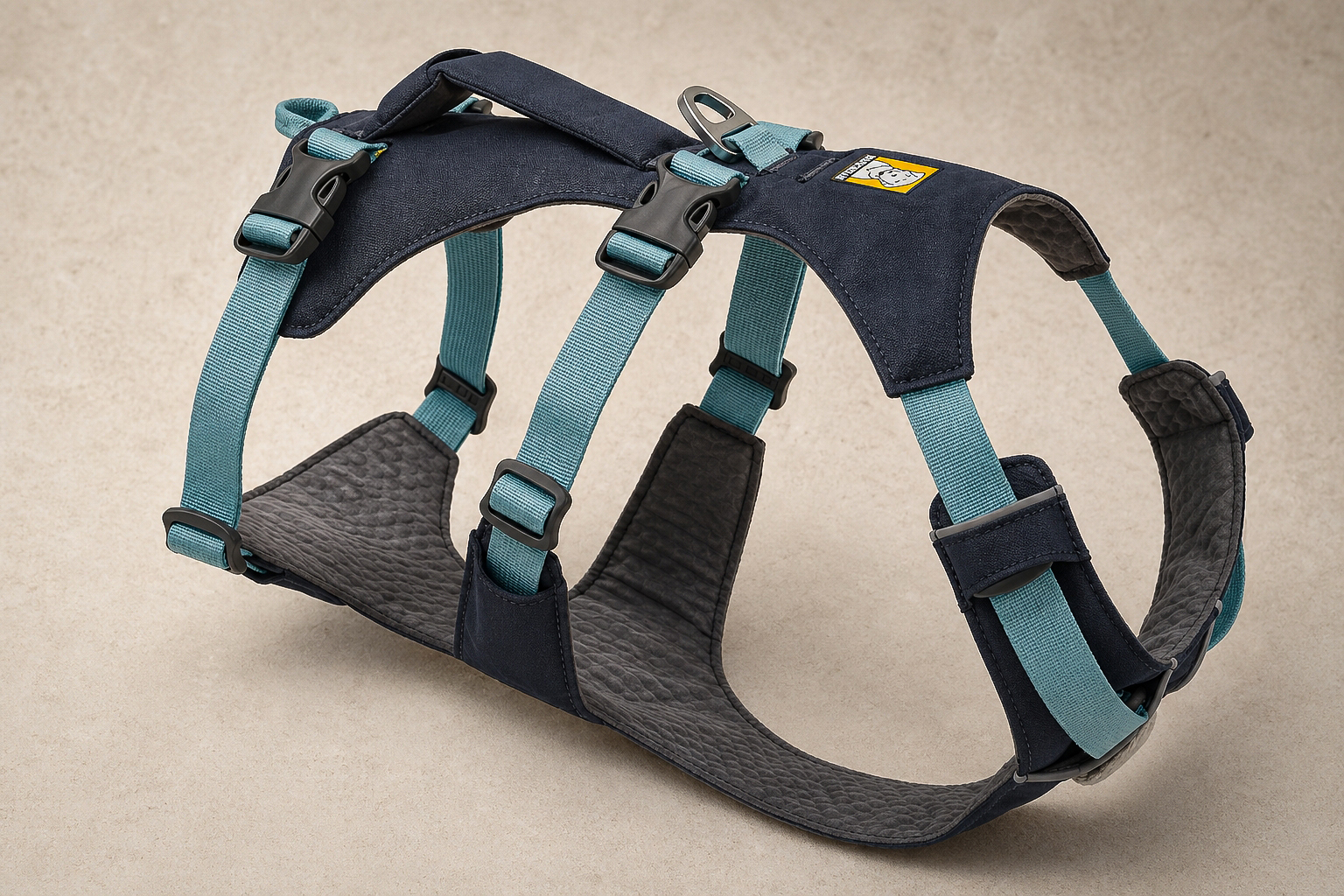
Ruffwear Flagline Dog Harness
Best Lightweight Trail Pick. A lighter, more agile harness for buyers who want trail utility and a more minimal feel without dropping into flimsy territory.
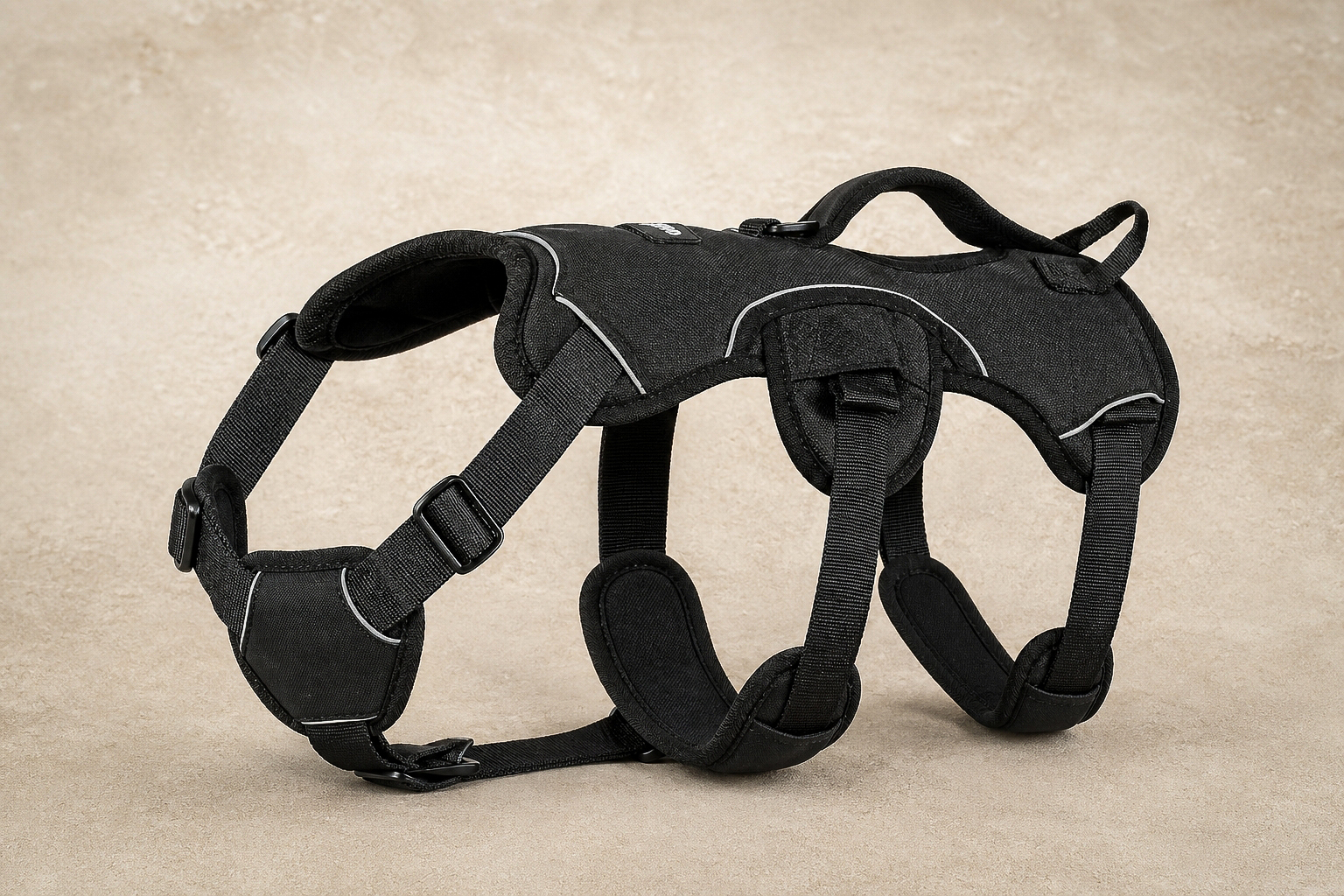
rabbitgoo Lift-and-Assist Dog Harness
Best for Support and Lifting. A more assistance-oriented harness for dogs that need extra help over obstacles, steeper ground, or more demanding trail moments.
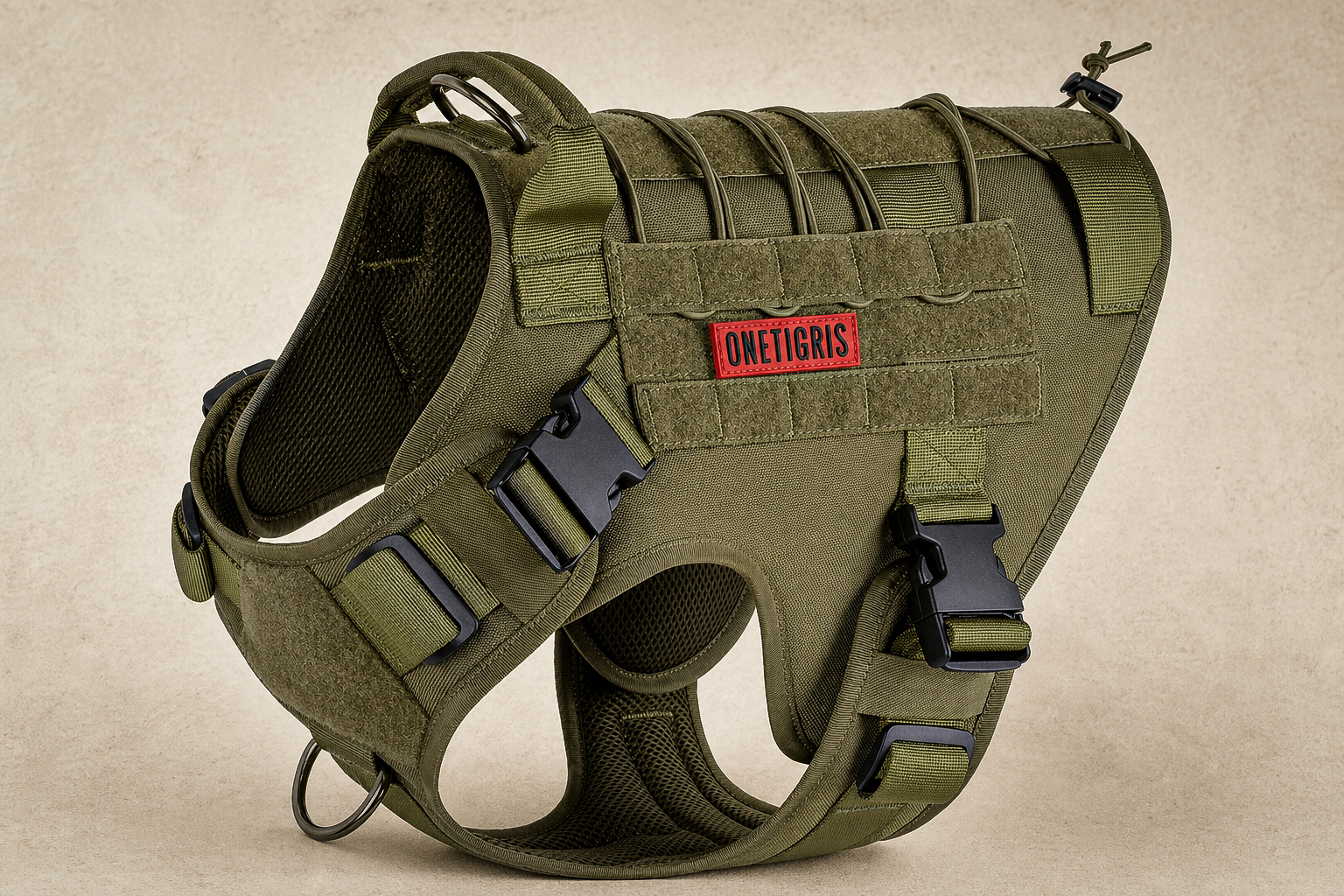
OneTigris Tactical Dog Harness
Best Tactical-Style Pick. A more rugged-feeling option for buyers who want a heavier-duty outdoor harness with a stronger utility look and feel.
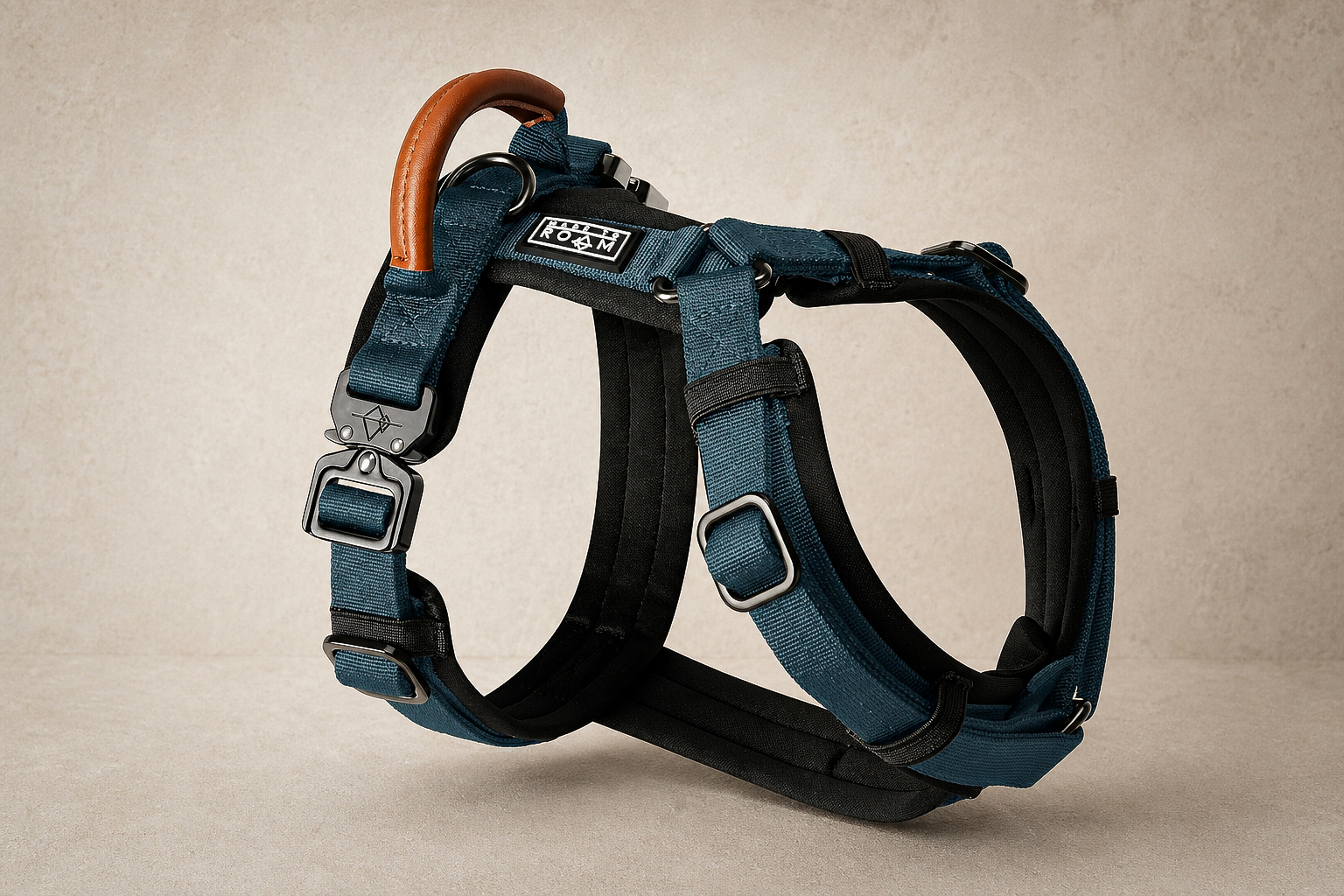
MADE TO ROAM Premium Explorer Harness
Best Premium Pick. A cleaner premium route for buyers who want a more elevated explorer-style harness for regular trail use and better overall presentation.
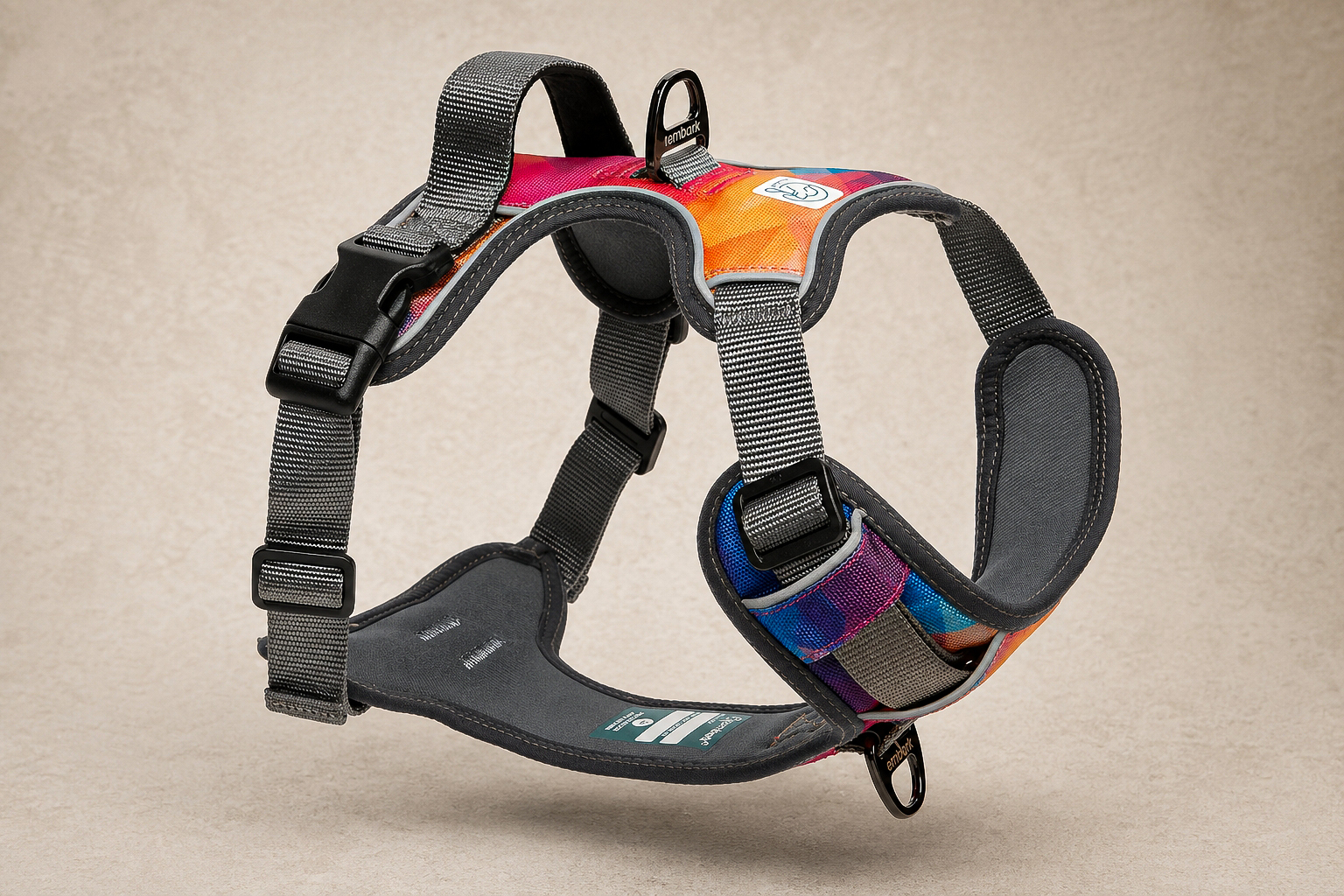
Embark Adventure Dog Harness
Best Practical Adventure Value. A sensible mainstream adventure harness for owners who want trail-ready features without paying up for the page’s more premium outdoor brands.
Quick Comparison Matrix
| Product | Best For | Harness Style | Trail Comfort | Handle / Support Use | Weight Feel | Main Strength | Amazon |
|---|---|---|---|---|---|---|---|
| Ruffwear Front Range Dog Harness | Most owners | All-around outdoor harness | High | Moderate | Balanced | Best overall hiking balance | View |
| Ruffwear Flagline Dog Harness | Lighter faster trail movement | Lightweight trail harness | High | High | Light | Agile trail-friendly support | View |
| rabbitgoo Lift-and-Assist Dog Harness | Dogs needing extra support | Support and assist harness | Moderate to high | High | Medium | Lift help and trail assistance | View |
| OneTigris Tactical Dog Harness | Rugged outdoor use | Tactical-style harness | Moderate | High | Heavier | Rugged control and utility feel | View |
| MADE TO ROAM Premium Explorer Harness | Buyers wanting a premium upgrade | Premium explorer harness | High | Moderate | Medium | Premium presentation and feel | View |
| Embark Adventure Dog Harness | Practical mainstream adventure use | Adventure harness | Moderate to high | Moderate | Balanced | Good feature-value balance | View |
How We Picked These Dog Hiking Harnesses
1. Use-case fit came first
We did not treat every harness labeled “outdoor” or “adventure” as a real hiking harness. The first filter was whether the product looked like it actually solved a trail problem: better comfort over distance, cleaner control, improved support, lighter movement, or stronger all-around outdoor usability.
2. Safe bestseller bias
The page leans toward recognizable, conversion-friendly harnesses with cleaner buyer trust than random low-credibility listings that borrow hiking language without looking especially convincing for real trail use.
3. Different roles, not six clones
Instead of listing six similar no-pull harnesses in different colors, this page separates actual buyer needs: all-around trail use, lightweight movement, lift support, tactical utility, premium explorer style, and practical adventure value.
4. Trail realism mattered
Handle usefulness, comfort over distance, weight feel, adjustability, and how the harness would likely feel on real outdoor routes mattered more than decorative features or recycled marketing words.
5. Comfort had to survive longer use
A harness that feels acceptable for a short sidewalk walk can feel very different after an hour outdoors. Hiking choices had to make sense beyond quick everyday wear.
6. Control and fit both mattered
Hiking is not just walking in prettier surroundings. A trail harness should help the dog move naturally while still giving the owner enough control for terrain changes, distractions, and occasional support moments.
Best Dog Hiking Harness Options Explained
Ruffwear Front Range Dog Harness
This is the strongest all-around starting point for most owners because it balances comfort, control, fit confidence, and real everyday-to-trail versatility better than most generic outdoor harnesses do. It is the kind of harness that makes sense for buyers who want one dependable answer rather than an overly specialized solution.
It works especially well when hiking is a regular part of life but not the only thing the harness will ever do. That matters because many owners want one harness that can handle neighborhood walking, travel stops, trail days, and ordinary active use without feeling like a compromise.
It earns the top spot because it feels like the cleanest default recommendation in the category. It is not the lightest and it is not the most tactical, but for most dogs and most owners, that is exactly why it works.
- Best overall hiking harness
- Strong comfort-control balance
- Useful for both everyday use and trail use
- Best default choice for most owners
Ruffwear Flagline Dog Harness
This is the better pick when lighter movement and trail agility matter more than a more padded all-around harness feel. It makes sense for owners who want a harness that feels more purpose-tuned for active movement, varied terrain, and cleaner trail handling without looking bulky.
It also stands out because it addresses a real trail-use difference: some dogs and some routes reward a lighter more agile harness design rather than a harness that feels heavier or more general-use.
If your dog moves fast, covers ground well, and does better in a harness that feels less heavy over distance, this is one of the cleanest upgrades from the more all-purpose answer.
- Best lightweight trail pick
- Good for more agile outdoor movement
- Useful when lower bulk matters
- Better for buyers who want a more trail-tuned feel
rabbitgoo Lift-and-Assist Dog Harness
This is the stronger fit when the hike includes moments where support and lifting matter more than pure trail speed. It makes much more sense for dogs that need help over obstacles, for dogs that lose confidence on harder ground, or for owners who know they want more useful handle assistance than a standard harness provides.
It belongs on the page because hiking is not always about fast healthy dogs on easy trails. Sometimes the right harness is the one that lets the owner help the dog more deliberately and safely.
That makes this a logical pick for more support-focused outdoor use, even though it is not the default answer for everyone.
- Best for support and lifting
- Better for difficult terrain moments
- Useful for dogs needing extra help
- Good fit for more assistance-focused trail use
OneTigris Tactical Dog Harness
This is the better choice when you want a more rugged-feeling outdoor harness with a stronger utility angle than a softer, more casual hiking harness. It appeals to buyers who care about a more robust look and feel and who want the harness to feel more substantial in the hand.
It is not the lightest choice on the page, and that is exactly why it belongs in a separate role. Some buyers do not want lightweight first. They want a harness that feels tougher, heavier-duty, and more gear-like.
For that buyer, this makes far more sense than trying to force every trail decision into the same soft all-around format.
- Best tactical-style pick
- More rugged outdoor utility feel
- Good for buyers who want a heavier-duty look
- Better for control-minded gear preferences
MADE TO ROAM Premium Explorer Harness
This is the premium route for buyers who want a more elevated explorer-style harness and care about cleaner presentation, better finish, and a more upgraded product feel. It makes sense for owners who know they want something above the category’s basic mainstream level.
It is not here because premium automatically means better for every dog. It is here because some buyers specifically want the premium role filled by a product that still fits the hiking category well.
If you want the harness to feel like a genuine upgrade and not just another generic adventure listing, this is one of the page’s strongest premium answers.
- Best premium pick
- Cleaner elevated explorer feel
- Good for buyers wanting an upgrade
- Useful when presentation matters along with function
Embark Adventure Dog Harness
This is the more practical adventure-value choice for buyers who want a trail-ready harness without immediately stepping into the page’s more premium brands. It fits the kind of buyer who wants useful features, a recognizable adventure role, and an everyday-friendly price-to-function balance.
It earns its place because not every hiking harness buyer wants the top-tier premium answer. Some want something sensible, plausible, and clearly aimed at active use without overpaying.
For ordinary trails, weekend outings, and buyers who want practical feature value, it is one of the easier harnesses to justify.
- Best practical adventure value
- Good feature-value balance
- Useful for ordinary hiking and outdoor use
- Better for buyers who want trail function without premium spend
Best for Specific Dog Hiking Harness Situations
Best for Most Dogs and Most Owners
If you want one hiking harness that covers the widest range of normal trail situations well, the Front Range is the cleanest place to start.
Best fit to start with: Ruffwear Front Range Dog Harness
Best for More Agile Trail Movement
If your dog moves well, covers ground efficiently, and you want a lighter-feeling harness for more active outdoor use, the Flagline makes more sense than a heavier general-use harness.
Best fit to start with: Ruffwear Flagline Dog Harness
Best for Dogs That Need Extra Trail Help
If the hike includes support moments where you know lifting or guiding assistance matters, rabbitgoo is the better support-oriented choice.
Best fit to start with: rabbitgoo Lift-and-Assist Dog Harness
Best for Buyers Wanting a More Rugged Harness Feel
If you prefer a more tactical-style harness with a stronger utility feel and less interest in lightweight softness, OneTigris is the more logical pick.
Best fit to start with: OneTigris Tactical Dog Harness
Best for Buyers Wanting a Premium Upgrade
If you already know you want something more elevated than the basic mainstream hiking harness tier, MADE TO ROAM is the stronger premium route.
Best fit to start with: MADE TO ROAM Premium Explorer Harness
Best for Practical Everyday Adventure Value
If you want a plausible trail harness without paying up for the page’s strongest premium picks, Embark is a sensible mainstream adventure-value option.
Best fit to start with: Embark Adventure Dog Harness
What Actually Matters Most in a Dog Hiking Harness
Comfort over distance matters more than first impressions
A harness can feel fine in the house or on a five-minute walk and still feel less convincing once the dog wears it longer on uneven ground. Hiking choices need to make sense after real time and real movement.
Fit stability changes control on the trail
A harness that shifts, loosens, or rides awkwardly during movement becomes more frustrating once the dog is climbing, descending, or pulling toward trail distractions.
Handle usefulness is a real category divider
On true hiking routes, a handle is not just a cosmetic feature. It can matter on rocks, logs, creek edges, trail starts, car loading, or brief support moments.
Weight feel matters more than people expect
Some dogs do better in lighter more agile harnesses, while others are fine in more structured or rugged builds. The best choice depends on the dog’s movement style and the route.
Trail purpose should shape the harness choice
A scenic easy trail, a longer conditioning hike, a rocky support-heavy route, and a gear-heavy outdoor trip are related but not identical situations. The harness role should match the outing style.
Durability is about repeated outdoor use, not buzzwords
Real durability shows up through repeated movement, dirt, friction, and normal trail wear. Marketing language alone does not tell you enough.
Not every “tactical” harness is a hiking harness
Some rugged-looking products fit certain buyers well, but extra bulk is not automatically better for real hiking comfort or movement.
Lift support is a separate buying decision
If your dog actually needs help over terrain or because of age, size, or confidence, a harness with better support logic matters more than a generic adventure label.
Everyday overlap can be a strength
For many buyers, the smartest hiking harness is also one that still works well outside of pure trail use. That is part of why all-around picks often win.
The dog’s body shape still matters more than the role name
Even the best-looking hiking harness can be the wrong pick if the fit shape does not sit well on the dog’s build, chest, shoulders, and natural movement.
Common Mistakes When Buying a Dog Hiking Harness
Buying a normal walking harness and calling it hiking-ready
Some harnesses are fine for simple walks but feel much less convincing once the route gets longer, steeper, or more technical.
Choosing by looks instead of trail role
Tactical-looking, premium-looking, and lightweight-looking harnesses do not all solve the same problem in the same way.
Ignoring handle usefulness
On real outdoor routes, a handle can matter more than buyers expect, especially when the dog needs brief control or assistance.
Buying too heavy for a dog that moves best light
A more rugged harness is not automatically better if it makes the dog feel more burdened on the trail.
Buying too light for a dog that needs more support
Some dogs and some routes call for more structure and more helpful handle logic than a lighter harness provides.
Treating every hike like the same use case
Short easy trails, longer distance hikes, and support-heavy routes can point to very different harness choices.
Buying for the label “premium” instead of actual needs
Premium can be worth it, but only when it matches how often you hike and what you actually need from the harness.
Underestimating fit shape
The dog’s body shape, shoulder freedom, and chest fit still decide whether a harness works well, no matter how strong the brand is.
Ignoring longer-wear comfort
A harness that seems fine at first can become annoying, rub awkwardly, or feel less stable after more time on the dog.
Choosing category clones
Many pages list six near-identical harnesses. That makes the buying advice weaker instead of clearer.
Frequently Asked Questions
What is the best dog hiking harness for most owners?
For most buyers, the best starting point is a secure, comfortable all-around harness that works well on real trails without becoming overly specialized.
What makes a harness good for hiking?
The best hiking harnesses combine comfort over distance, fit stability, enough control, and features that still make sense once the trail gets less simple.
Is a handle important on a dog hiking harness?
Often yes. A useful handle can matter on obstacles, steeper ground, water crossings, or brief support moments during the hike.
Should a hiking harness be lightweight or more rugged?
That depends on the dog and the trail. Some dogs do better in lighter harnesses, while others benefit from more support or a more rugged build.
Are tactical dog harnesses good for hiking?
Sometimes, but not automatically. They can work well for certain buyers, though extra bulk is not always the best choice for longer comfortable trail movement.
Is a premium hiking harness worth it?
Often yes for regular trail use, especially when comfort, fit, and repeated outdoor wear matter more than just owning any adventure-looking harness.
Can a hiking harness help older dogs on trails?
Yes, especially if the harness includes better support and handle logic for brief lifting or assistance.
Can I use a normal walking harness for hiking?
Sometimes for easy short routes, but real hiking usually rewards a harness that feels more stable, more comfortable, and more trail-capable over time.
How to Think About Hiking Harnesses Before You Buy
Start with the route, not the product photo
The clearest buying decision usually starts with what your hikes actually look like. Easy scenic loops, rocky state park trails, wet wooded terrain, and longer conditioning hikes are all “hiking,” but they do not create the same harness needs.
That matters because a lighter trail harness, a support harness, and a more all-around outdoor harness will feel very different once you actually start moving over real ground.
Then think about the dog’s movement style
Some dogs hike smoothly and efficiently. Some lunge toward smells. Some need more encouragement and occasional help. Some are older and still enjoy getting outside but do not move the same way they used to.
The best hiking harness is the one that supports the dog you actually have, not the imaginary trail dog you might wish the listing described.
Who These Harnesses Usually Fit Best
Dogs that go on regular outdoor walks and trails
If hiking or active outdoor time is a real recurring part of life, a more trail-capable harness usually makes much more sense than a generic walk harness.
Owners wanting better comfort over longer outings
Once the route gets longer, comfort and fit stability start to matter much more than they do on ordinary short neighborhood walks.
Dogs that need cleaner control on varied terrain
Trails introduce more variables than sidewalks. A better harness often helps the owner manage those changes more smoothly.
Dogs that sometimes need handle support
If the dog occasionally needs guiding, lifting, or steadier control, the right handle design becomes much more valuable.
Who They Fit Less Well
Owners who only need a very basic sidewalk harness
If the dog never really leaves easy short walks, a more hiking-specific harness may be more than you actually need.
Buyers chasing “rugged” looks more than real trail comfort
Some harnesses look tougher than they feel useful over real distance. Trail comfort still matters more than aesthetics.
Dogs that strongly dislike wearing harnesses for long periods
Even a strong harness category winner will be the wrong answer if the dog never settles comfortably into longer wear.
People who want one harness to solve every specialized situation
Some buyers really do need a more support-focused or lighter trail-specific answer instead of forcing every job into one generic role.
What Usually Separates Strong Hiking Harnesses From Weaker Ones
A more stable fit in motion
Better hiking harnesses usually feel more settled on the dog once the trail gets more active, instead of shifting or feeling awkward as movement increases.
Comfort that still makes sense after time passes
The better harnesses are the ones that still feel good after enough real wear to matter, not just in the first few minutes.
A handle that feels useful instead of decorative
On stronger products, the handle often feels like a real part of the trail-use logic rather than something added to check a box.
Clearer role identity
The better products tend to have a clearer reason for existing in the category, whether that is all-around use, light agility, support, or rugged utility.