
Best Dog Hiking Backpack
A dog hiking backpack can be a great idea, but only when it actually matches the dog, the route, and the reason you need it. Some backpacks are built more like true outdoor carriers, some work better for short day trips and city-to-trail use, and some are only really helpful when you need a practical way to carry a smaller, tired, older, or easily overstimulated dog for part of the outing.
This page focuses on practical dog hiking backpack picks for real-world use: trail comfort, carry stability, ventilation, how naturally the dog sits inside, whether the backpack feels realistic over longer walks, and which designs make sense for different hiking and travel situations. The goal is not to pretend every dog carrier backpack is a hiking backpack, but to help you choose one that actually works when you leave the house and start moving.
Top Picks for Dog Hiking Backpacks
These six options cover the main buying situations that usually matter most in this category: best overall, best premium hiking-focused pick, best for trail comfort, best value pick, best for structure and support, and best for lighter front-carry or shorter-distance outdoor use.
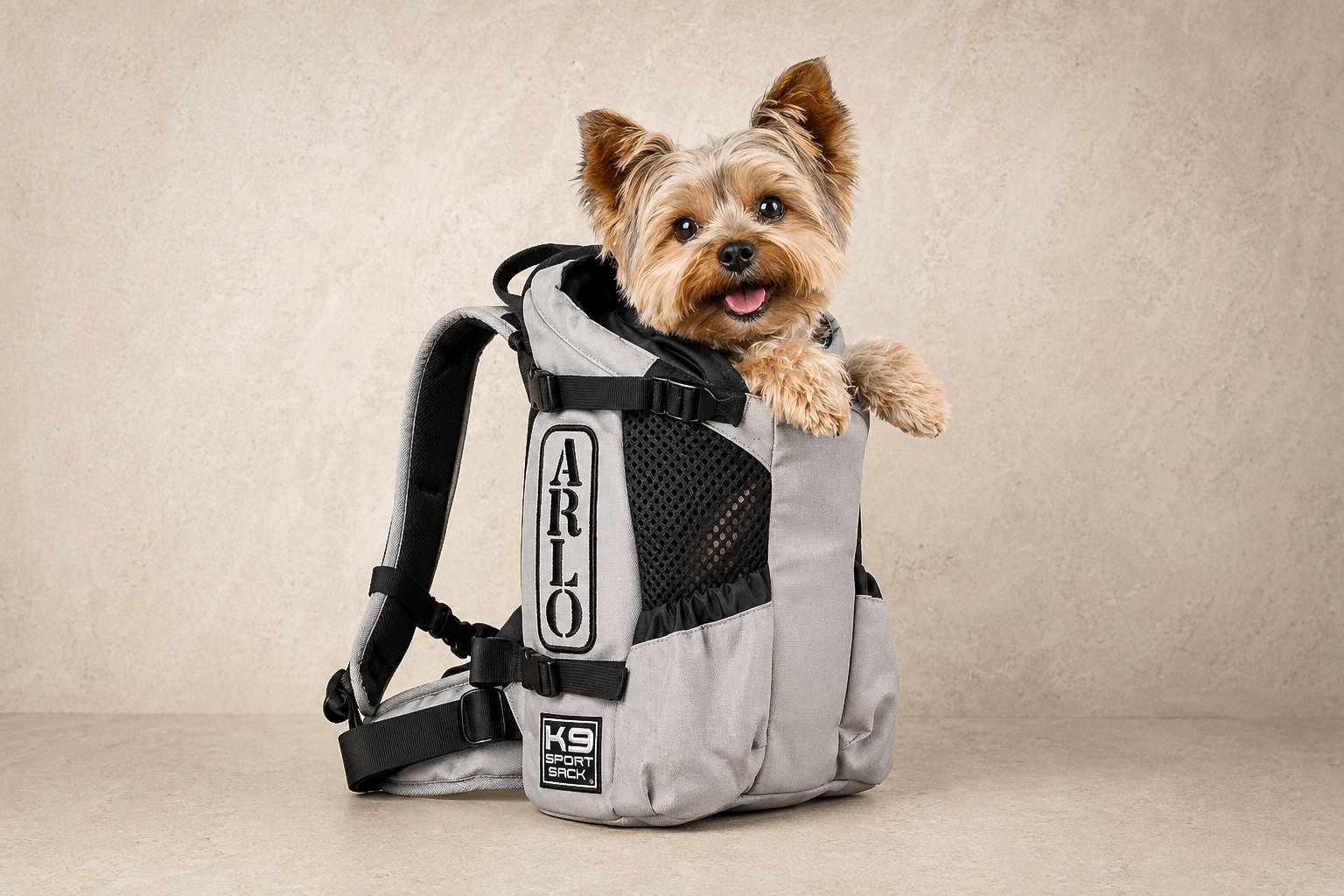
K9 Sport Sack Air 2 Dog Carrier Backpack
Best Overall. A strong all-around starting point for active owners who want a carrier backpack that feels purpose-built for movement rather than just occasional casual transport.
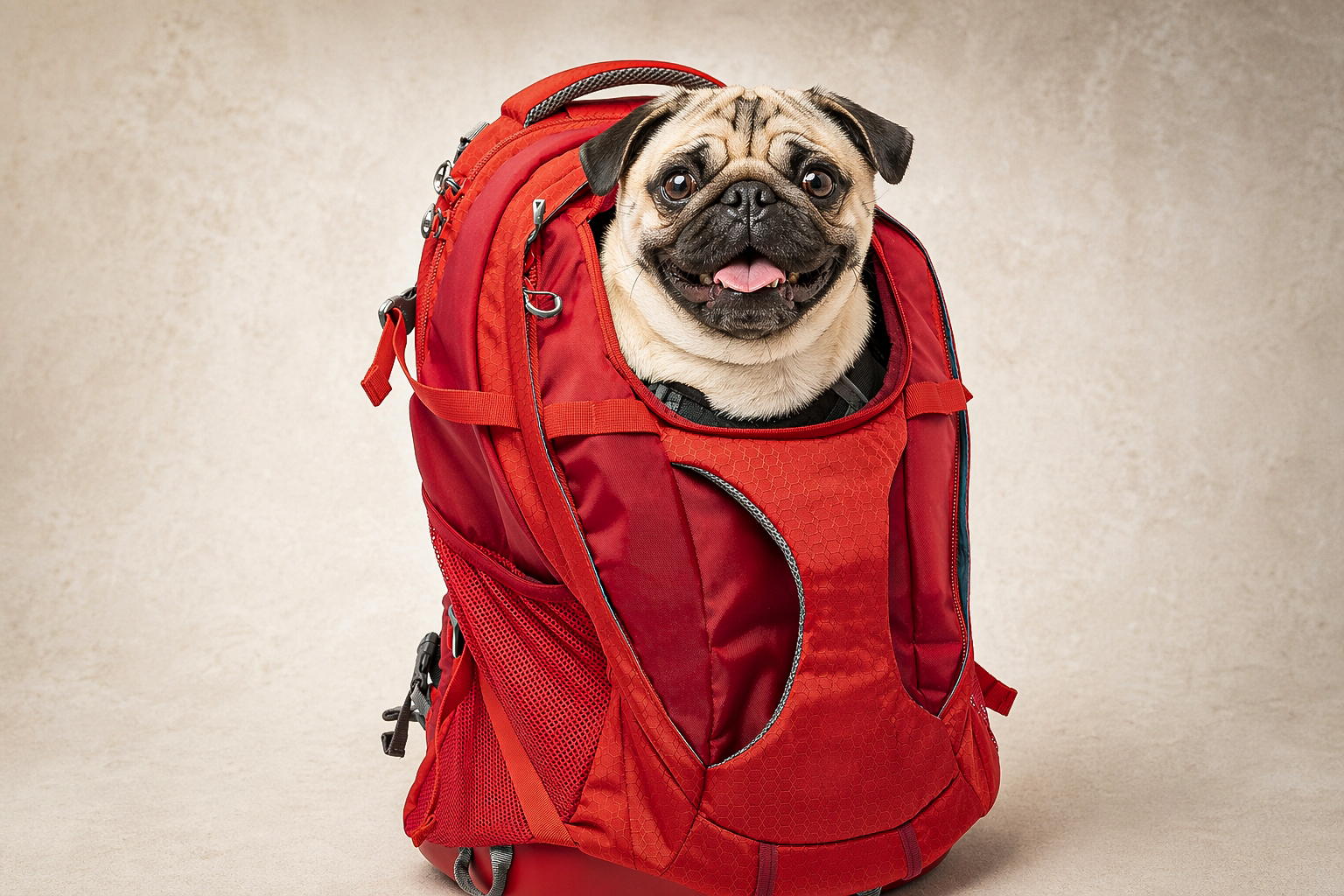
Kurgo G-Train Dog Carrier Backpack
Best Premium Pick. A more outdoor-minded carrier choice for buyers who care about better structure, cleaner build confidence, and a stronger overall feel for frequent use.
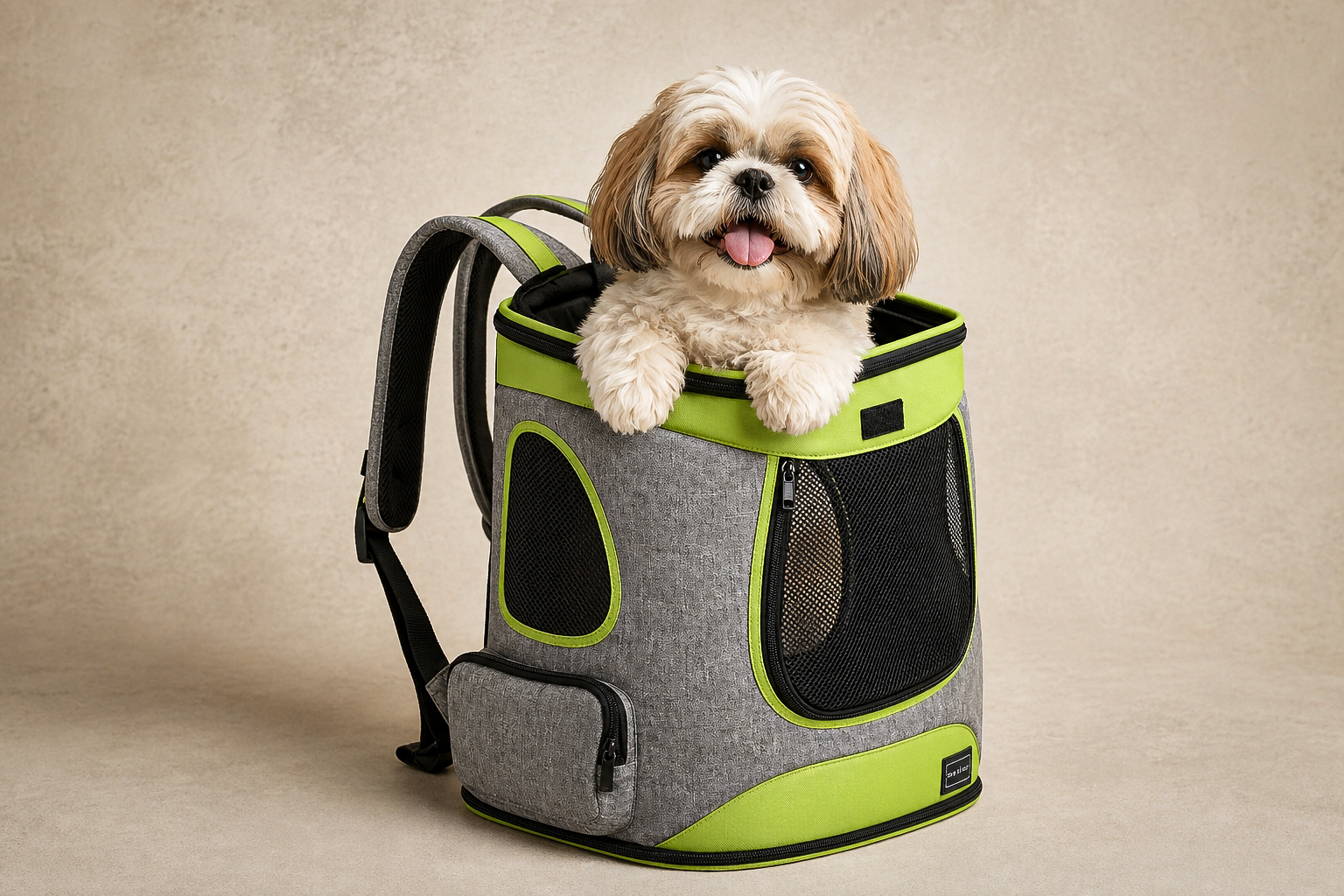
Petsfit Comfort Dog Carrier Backpack
Best for Trail Comfort. A practical structured carrier for owners who care more about carry comfort, steadier support, and a less flimsy overall feel on longer walks.
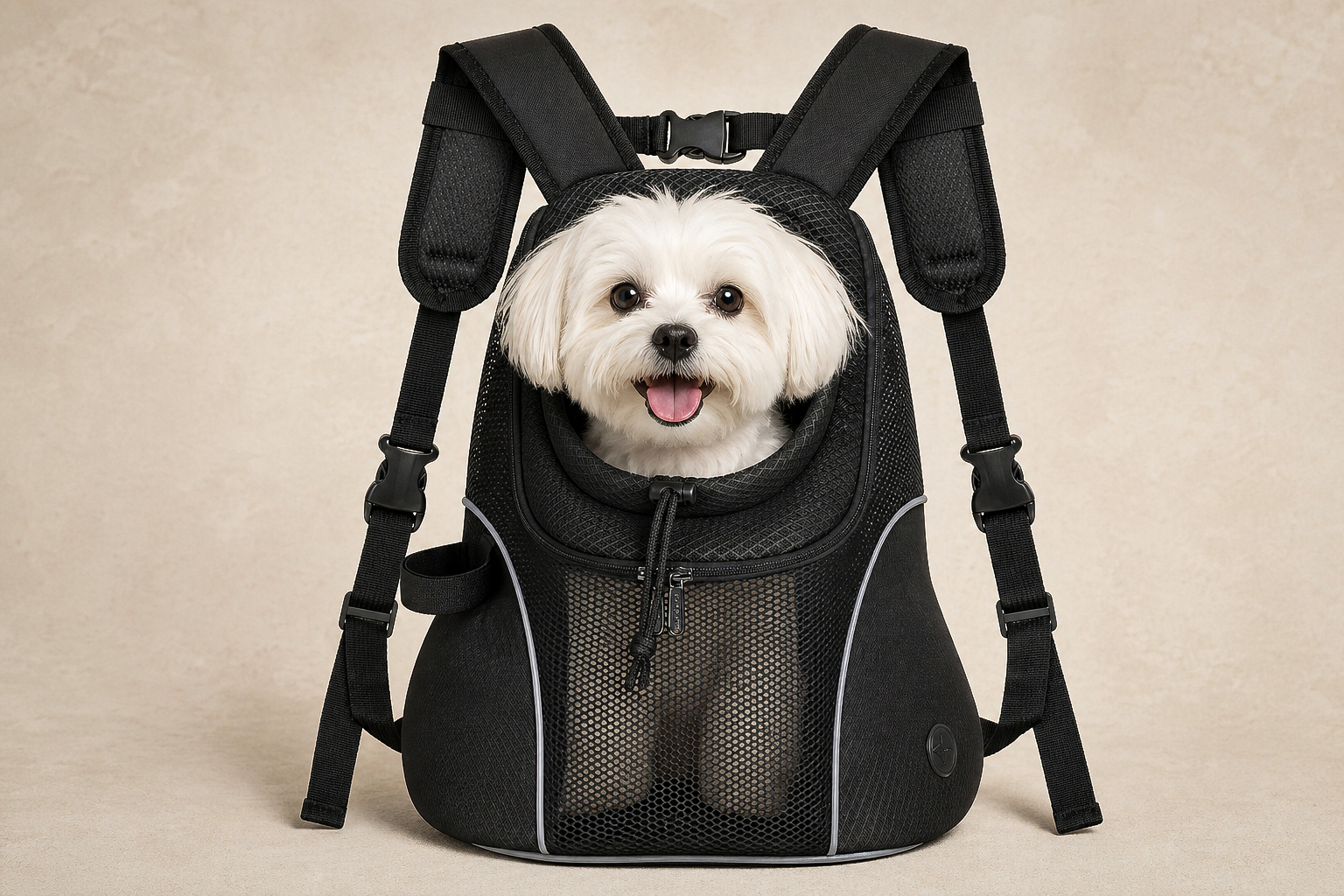
WOYYHO Pet Dog Carrier Backpack
Best Value Pick. A budget-friendlier option for owners who want a usable dog backpack carrier without immediately paying for a more premium outdoor brand.
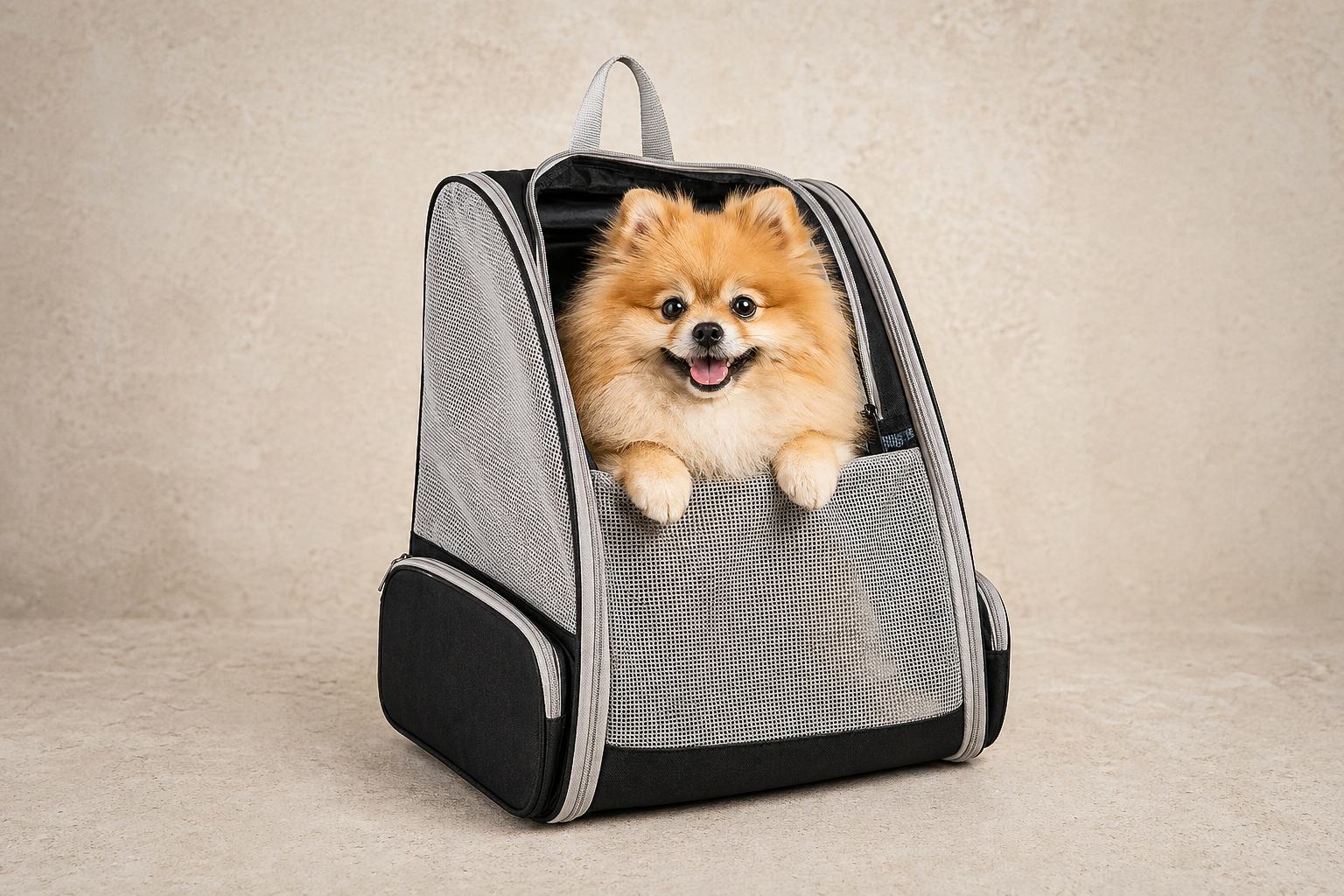
Texsens Innovative Traveler Dog Backpack Carrier
Best for Structured Everyday Use. A popular enclosed carrier style that makes sense for buyers who want a more stable boxier format instead of a pure sport-carry design.
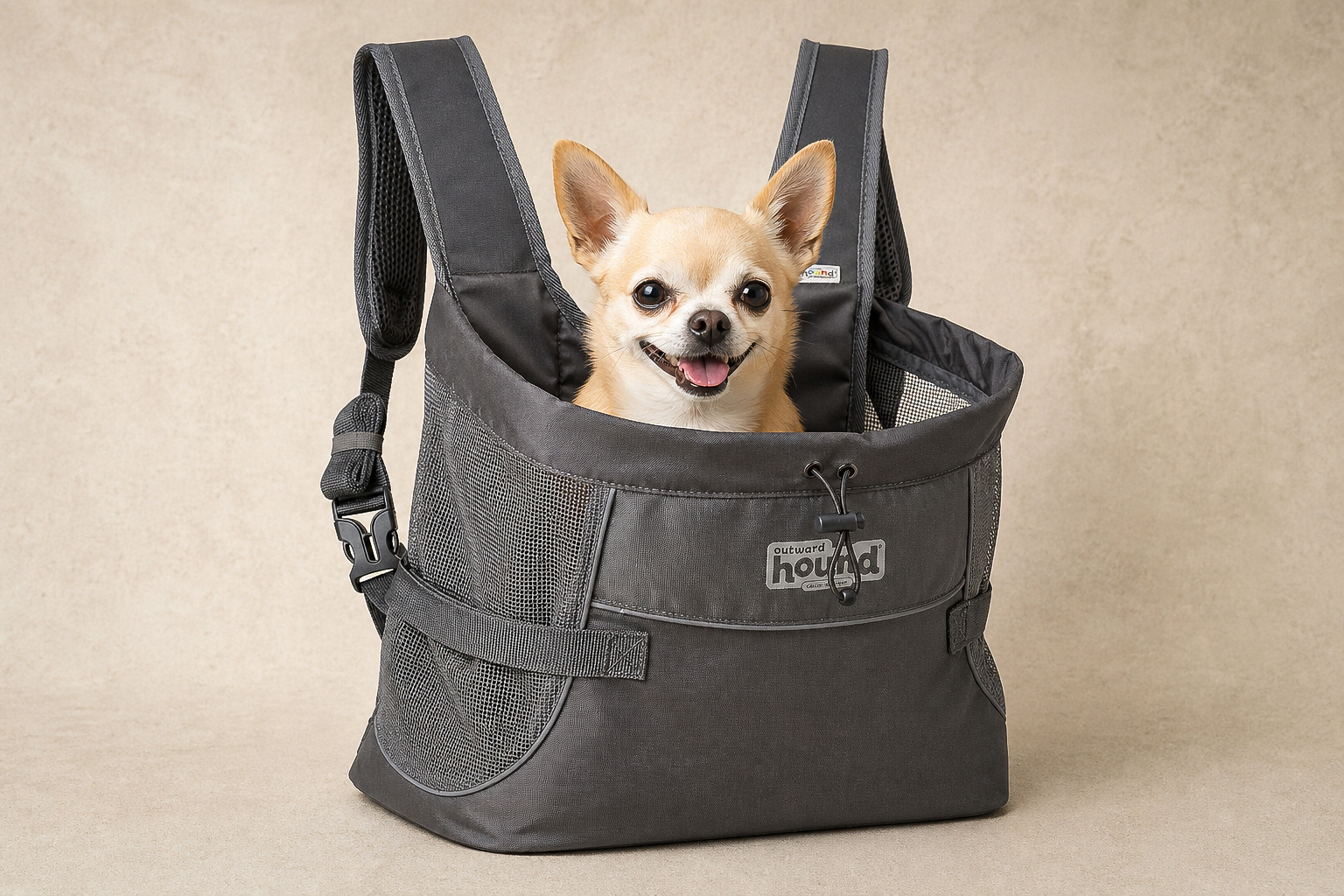
Outward Hound PupPak Dog Front Carrier
Best for Shorter Outdoor Trips. A lighter front-carry alternative for owners who want easier access, shorter-distance convenience, and a simpler way to carry smaller dogs.
Quick Comparison Matrix
| Product | Best For | Carrier Style | Trail Use Level | Ventilation / Openness | Comfort / Support Feel | Main Strength | Amazon |
|---|---|---|---|---|---|---|---|
| K9 Sport Sack Air 2 Dog Carrier Backpack | Most active owners | Sport-style back carrier | Moderate trail use | Open and movement-oriented | Balanced active-carry feel | Best overall hiking-focused fit | View |
| Kurgo G-Train Dog Carrier Backpack | Frequent hikers wanting more premium structure | Structured backpack carrier | Moderate to high | Good enclosed airflow balance | Strong supportive build | Premium outdoor-ready feel | View |
| Petsfit Comfort Dog Carrier Backpack | Comfort and support | Structured comfort carrier | Moderate | Moderate to good | Supportive and steady | Better comfort on longer outings | View |
| WOYYHO Pet Dog Carrier Backpack | Budget-conscious buyers | Backpack carrier | Light to moderate | Good visibility and openness | Value-oriented comfort | Practical lower-cost entry point | View |
| Texsens Innovative Traveler Dog Backpack Carrier | Structured mainstream use | Box-style backpack carrier | Light to moderate | Good mesh airflow | Stable enclosed carry | Popular structured format | View |
| Outward Hound PupPak Dog Front Carrier | Shorter outings and easier front access | Front carrier | Light use | Open and accessible | Lightweight front-carry feel | Quick-access simpler outdoor carry | View |
How We Picked These Dog Hiking Backpacks
1. Use-case fit came first
We did not treat every dog carrier as a real hiking backpack. The first filter was whether the product actually made sense for trail movement, day trips, partial carrying, smaller dog fatigue, or outdoor-heavy routines where hands-free carry is part of the reason to buy.
2. Safe bestseller bias
The page leans toward familiar, conversion-friendly carriers with cleaner buyer trust than random niche listings that look okay in photos but feel less convincing for real movement and comfort.
3. Different roles, not six clones
Instead of listing six nearly identical backpacks, this page separates actual buyer needs: active-use carry, premium outdoor structure, comfort-focused support, value entry point, structured enclosed carry, and lighter front-access use.
4. Real carrying practicality mattered
Human back comfort, dog positioning, airflow, stability in motion, and whether the carrier feels realistic on actual outings mattered more than marketing-heavy product language.
Best Dog Hiking Backpack Options Explained
K9 Sport Sack Air 2 Dog Carrier Backpack
This is the strongest all-around starting point for most owners because it feels like it was designed with active movement in mind, not just passive transport. It is the kind of choice that makes sense when hiking is actually part of the plan and you want a carrier that feels more aligned with activity, trail starts, uneven paths, and the idea of carrying a smaller dog for meaningful portions of the outing.
It makes the most sense for owners who want one reliable backpack carrier that balances active-use practicality, hands-free movement, and a more hiking-specific role than generic pet backpacks usually provide.
- Best overall for active owners
- More hiking-specific feel than generic carriers
- Strong fit for movement-oriented use
- Useful default choice when you want a trail-minded starting point
Kurgo G-Train Dog Carrier Backpack
This is the premium route for buyers who want more structure, stronger design confidence, and a cleaner overall feel for repeated use. Kurgo tends to make more sense when you care about outdoor-oriented build quality and want the backpack to feel more serious than the average soft carrier.
It is especially logical for owners who hike more often, travel more often, or simply want a carrier that feels like more than a casual emergency solution.
- Best premium pick
- Better for frequent outdoor use
- Stronger structure and support feel
- Useful for buyers wanting a more serious carrier upgrade
Petsfit Comfort Dog Carrier Backpack
This is the better pick when carry comfort and structured support matter more than a pure sport-carry look. It makes more sense for owners who want the backpack to feel steadier over time and who care about how the carrier sits during longer walks, travel transfers, and more moderate hiking use.
It is a stronger fit when the goal is not maximum athletic styling, but a more supportive and confidence-building carrying experience.
- Best for trail comfort
- More supportive structured feel
- Good fit for longer moderate outings
- Better for buyers prioritizing steadier carry comfort
WOYYHO Pet Dog Carrier Backpack
This is the cleaner value-focused choice when you want a workable dog backpack carrier without immediately paying up for more premium outdoor branding. It covers the main expectations many buyers have in this category: a usable backpack format, reasonable openness, and a more accessible price point.
It makes the most sense for buyers who want a practical first purchase for casual hiking, shorter outdoor trips, and general carry situations where value matters.
- Best value pick
- Good lower-cost entry point
- Useful for casual outdoor carry needs
- Better for buyers wanting practical function without premium spend
Texsens Innovative Traveler Dog Backpack Carrier
This is the stronger mainstream choice when you want a more structured, enclosed carrier format rather than a sport-focused dog-carry setup. It is useful for buyers who want the dog to sit in a stable boxier space and prefer a form that feels more familiar and contained.
It earns its place because not every hiking or outdoor buyer wants the same style of open activity carrier. Some want stability and enclosure first.
- Best for structured everyday use
- Popular enclosed backpack format
- Good for buyers wanting more contained carry
- Useful for mixed travel and light outdoor use
Outward Hound PupPak Dog Front Carrier
This is the better choice when the goal is lighter, shorter-distance outdoor use and easier access to the dog during the outing. It is not the page’s strongest pick for serious longer trail carry, but it makes sense for people who want a more approachable carrying method for quick outdoor trips, short walks, or situations where front access feels more natural than full backpack carry.
It belongs here because some buyers do not need the most hiking-oriented carrier. They need a simpler outdoor carry solution that feels easier to manage.
- Best for shorter outdoor trips
- Easier front-access carry style
- Useful for lighter simpler outings
- Better for owners who prefer quick access to the dog
Best for Specific Dog Hiking Backpack Situations
Best for Most Active Owners
If you want one backpack carrier that covers the widest range of realistic hiking and outdoor carry situations well, the K9 Sport Sack is the cleanest starting point.
Best fit to start with: K9 Sport Sack Air 2 Dog Carrier Backpack
Best for Premium Outdoor Use
If you expect to use the carrier often and want more structure and better overall outdoor confidence, the Kurgo G-Train is the stronger premium move.
Best fit to start with: Kurgo G-Train Dog Carrier Backpack
Best for Comfort on Longer Outings
If support and steadier carry comfort matter more than sporty styling, the Petsfit carrier is a very logical place to start.
Best fit to start with: Petsfit Comfort Dog Carrier Backpack
Best for Budget-Conscious Buyers
If you want a practical dog backpack carrier without paying for the page’s most premium options, the WOYYHO pick is the cleaner value route.
Best fit to start with: WOYYHO Pet Dog Carrier Backpack
Best for Structured Enclosed Carry
If you prefer a more stable enclosed format instead of a more athletic activity carrier, the Texsens option makes more sense.
Best fit to start with: Texsens Innovative Traveler Dog Backpack Carrier
Best for Shorter Trips and Easier Access
If you mainly want a lighter simpler outdoor-carry setup and value easier access to the dog during the outing, the Outward Hound front carrier is a practical option.
Best fit to start with: Outward Hound PupPak Dog Front Carrier
What Actually Matters Most in a Dog Hiking Backpack
Not every pet carrier is really a hiking backpack
Some products are fine for casual transport but feel much less convincing once you start walking real distances. Hiking use asks more from stability, support, and how naturally the carrier moves with you.
Human comfort matters as much as dog comfort
A backpack that holds the dog acceptably but feels terrible on your shoulders or back will stop being useful quickly. The product has to work for both sides of the carry.
Dog positioning changes the whole experience
Whether the dog sits upright, more enclosed, more exposed, or more front-accessible changes comfort, confidence, and how realistic the carrier feels over time.
Ventilation matters more than many buyers expect
Carriers that look fine indoors can feel much warmer outside. Good airflow matters more when you hike, travel in warmer weather, or carry the dog for longer stretches.
Route length should influence the choice
A backpack that works for short scenic loops may not be the best match for longer day hikes or repeated use across a season. Daily realism matters more than product labels.
The reason for carrying matters
Carrying a tired small dog for part of a hike, carrying a senior dog on gentler outings, and carrying a dog for travel transitions are related but not identical buying situations.
Structure and softness create different trade-offs
Structured carriers often feel more stable and confidence-building, while softer designs may feel lighter or simpler. The better choice depends on how and where you plan to use the carrier.
Smaller dogs are the real center of this category
Most hiking backpack carriers make the most sense for smaller dogs, lighter dogs, or dogs that need partial assistance rather than full-time long-distance transport.
Common Mistakes When Buying a Dog Hiking Backpack
Buying a generic pet backpack and calling it hiking-ready
Some carriers are simply much better suited to light casual transport than to real outdoor walking and trail movement.
Ignoring the human side of the carry
A carrier can look great for the dog and still feel miserable on your back after twenty or thirty minutes.
Assuming more structure is always better
More structure can help stability, but it can also add bulk. The best choice depends on route length, dog size, and how often you use it.
Choosing by looks instead of carry style
Back carriers, enclosed backpack carriers, and front carriers do not solve the same problem in the same way.
Not thinking about ventilation
Outdoors, heat and airflow matter much more than they do in product photos or quick indoor tests.
Buying for a dog that is too large for realistic carry
Even if a listing suggests a certain size range, the real question is whether carrying that weight feels practical on an actual hike.
Expecting the backpack to replace good route planning
A carrier can help, but it does not turn every dog into a full hiking match. Terrain, weather, and trip length still matter.
Choosing the cheapest option for frequent use
Lower-cost carriers can be fine, but repeated outdoor use usually exposes weak comfort and support faster than buyers expect.
Frequently Asked Questions
What is the best dog hiking backpack for most owners?
For most buyers, the best starting point is a stable, ventilated backpack carrier that feels comfortable on the human back and keeps the dog secure during shorter to moderate outdoor use.
Are dog hiking backpacks good for long hikes?
They can be useful for parts of a hike, but the right answer depends on dog size, route length, weather, and how comfortable the carrier feels in real motion.
Which dogs are best suited for hiking backpack carriers?
Smaller dogs, lighter dogs, tired dogs, and some senior dogs usually make the most sense for this category.
Is a front carrier or back carrier better for hiking?
Back carriers usually make more sense for longer movement, while front carriers can feel easier for shorter trips and quicker access to the dog.
Is a premium dog hiking backpack worth it?
Often yes, especially if you plan to use it regularly. Premium options usually make more sense when comfort, support, and repeated outdoor use are part of the decision.
Can a dog hiking backpack replace normal walking on the trail?
No. A backpack carrier is best seen as a support tool for certain situations, not as a replacement for normal movement, good route choice, and sensible trip planning.
How to Think About Dog Hiking Backpacks Before You Buy
Start with why you need the carrier
The cleanest buying decision usually starts with the reason the backpack exists in your routine. Are you carrying a small dog for steep sections? A tired dog for part of a longer outing? A senior dog on slower scenic walks? Or do you mainly want a more practical travel-to-trail transport solution?
That one question matters because it changes what kind of backpack actually makes sense. A sport-style carry, a structured enclosed carrier, and a lighter front carrier all feel different once you use them outside.
Then think about the route, not just the product
A lot of buyers focus too much on the backpack and not enough on the outing itself. Longer routes, warmer weather, elevation, narrow paths, and stop frequency all shape whether a carrier feels helpful or annoying.
That is why the best dog hiking backpack is rarely the one with the most features on paper. It is the one that still feels realistic halfway into the actual day.
Who These Backpacks Usually Make Sense For
Small dogs that tire before the owner does
This is one of the most common real-life reasons to buy. Some small dogs enjoy the outing but do not comfortably finish longer routes on their own.
Older dogs that still enjoy going out
Some senior dogs still love being part of the trip, even if they cannot physically handle the same distance they used to.
Dogs that need help on part of the route
Sometimes the carrier is not for the whole outing. It is there for stairs, crowded trail sections, or steeper parts where carrying is temporarily the better option.
Owners who want hands-free movement
Compared with arm carrying, a decent backpack carrier can be much more practical when you still need balance, mobility, and a more natural walking rhythm.
Who These Backpacks Usually Do Not Fit Well
Dogs that are too heavy for realistic carry
Even when a listing suggests a certain max weight, the real question is whether that weight still feels practical on a real route for a real person.
Dogs that strongly resist confinement
Some dogs simply do not settle well in carrier formats, especially more enclosed ones. In those cases, the best product on paper may still be the wrong real-world fit.
Owners expecting a carrier to solve every outdoor limitation
A backpack can help with certain problems, but it does not make every long or difficult route automatically sensible for every dog.
Buyers who really need a travel crate instead
If the real goal is secure transport, long waiting periods, or more contained travel use, a hiking backpack may not be the cleanest solution.
What Changes Between a Good Carrier and an Annoying One
How the weight sits on your body
A carrier can be technically usable and still feel badly balanced. The better models usually make the load feel more predictable instead of pulling awkwardly.
How calm the dog stays inside
Stability, ventilation, and the dog’s position all influence whether the dog settles naturally or keeps shifting, which then affects your comfort too.
How easy it is to load and unload
Some carriers feel much easier to use at trailheads, in parking lots, or during quick breaks. Ease of entry matters more than many buyers expect.
How much heat builds up
Outdoors, warmth builds fast. A carrier that feels acceptable for ten minutes indoors may feel very different on a real walk.