
Best Dog Bike Leash
A dog bike leash is one of those categories where the wrong product choice matters more than people expect. This is not just about clipping any leash to a bike and hoping for the best. A true bike leash system needs to help with side positioning, reduce sudden pull shock, and make the setup feel more stable than a normal hand-held leash ever could.
This page focuses on practical dog bike leash picks for real use: attachment design, pull management, shock absorption, steering interference, general control, and whether the setup actually makes sense for your dog’s size, pace, and bike routine. The goal is not to act like every dog should run next to a bicycle, but to help you choose a bike-specific leash system that feels more controlled, more predictable, and more realistic for the right dog and the right rider.
Top Picks for Dog Bike Leashes
These four options cover the main buying situations that actually matter in this category: best overall, best for upgraded flexibility, best for a more modern rotating setup, and best for buyers who want a clearer attachment-focused bike system instead of a generic leash workaround.
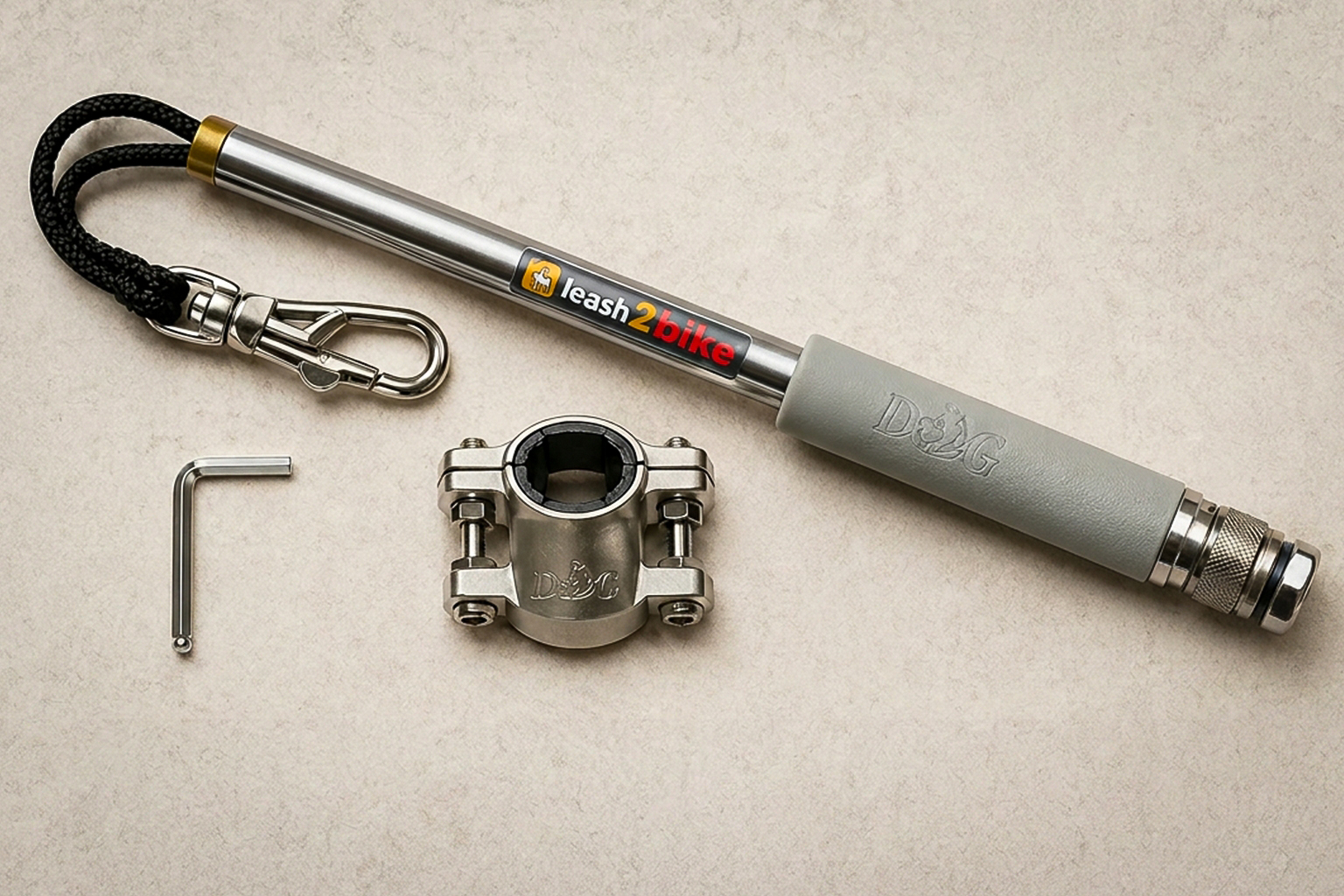
Walky Dog Plus Dog Bike Exerciser
Best Overall. The clearest mainstream starting point for buyers who want a real bike-dog system rather than trying to improvise with a normal leash.
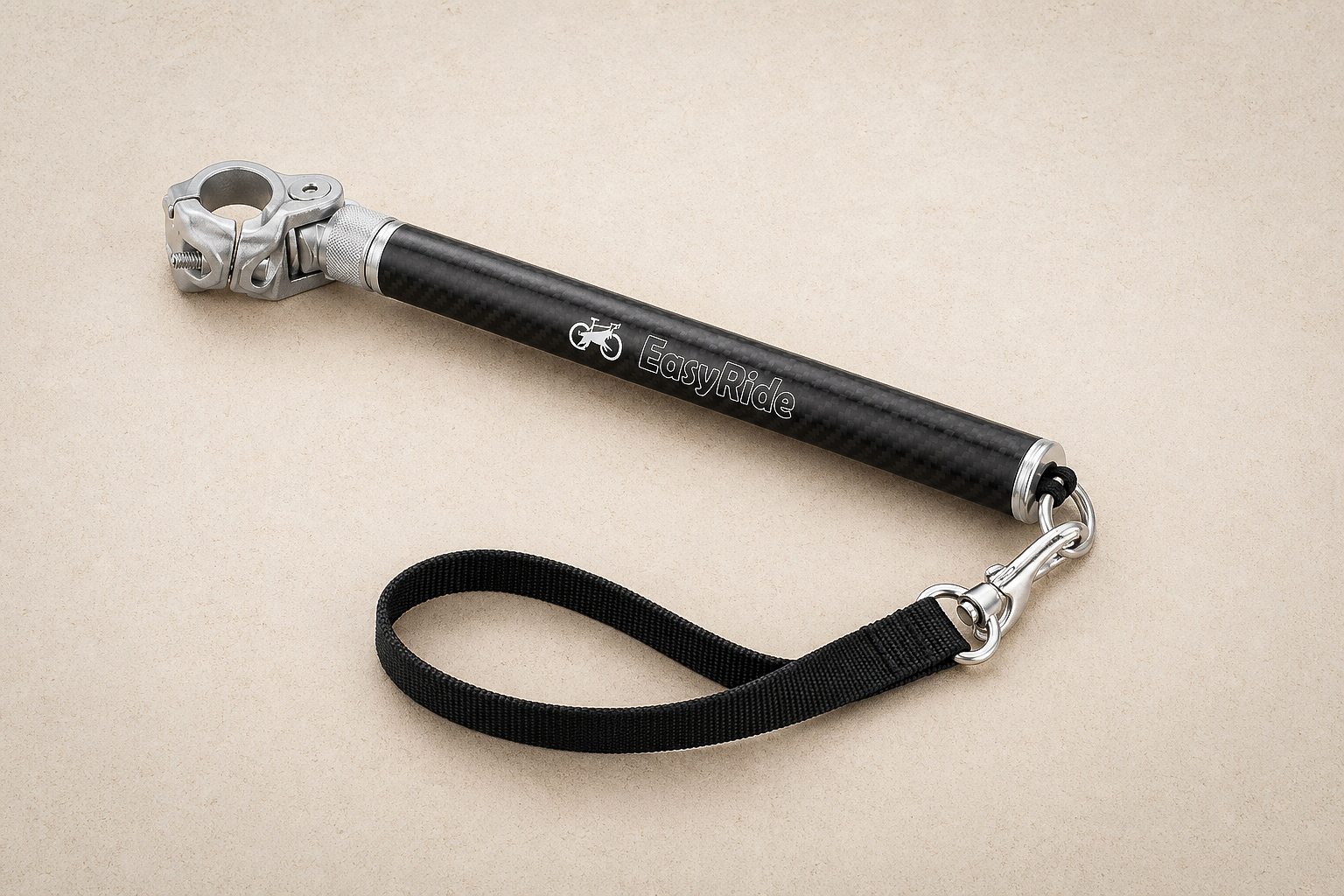
MALABI V2.0 Dog Bike Leash
Best for Most Recreational Riders. A bike-specific leash option that makes sense for owners who want a more current design and a cleaner everyday cycling setup.
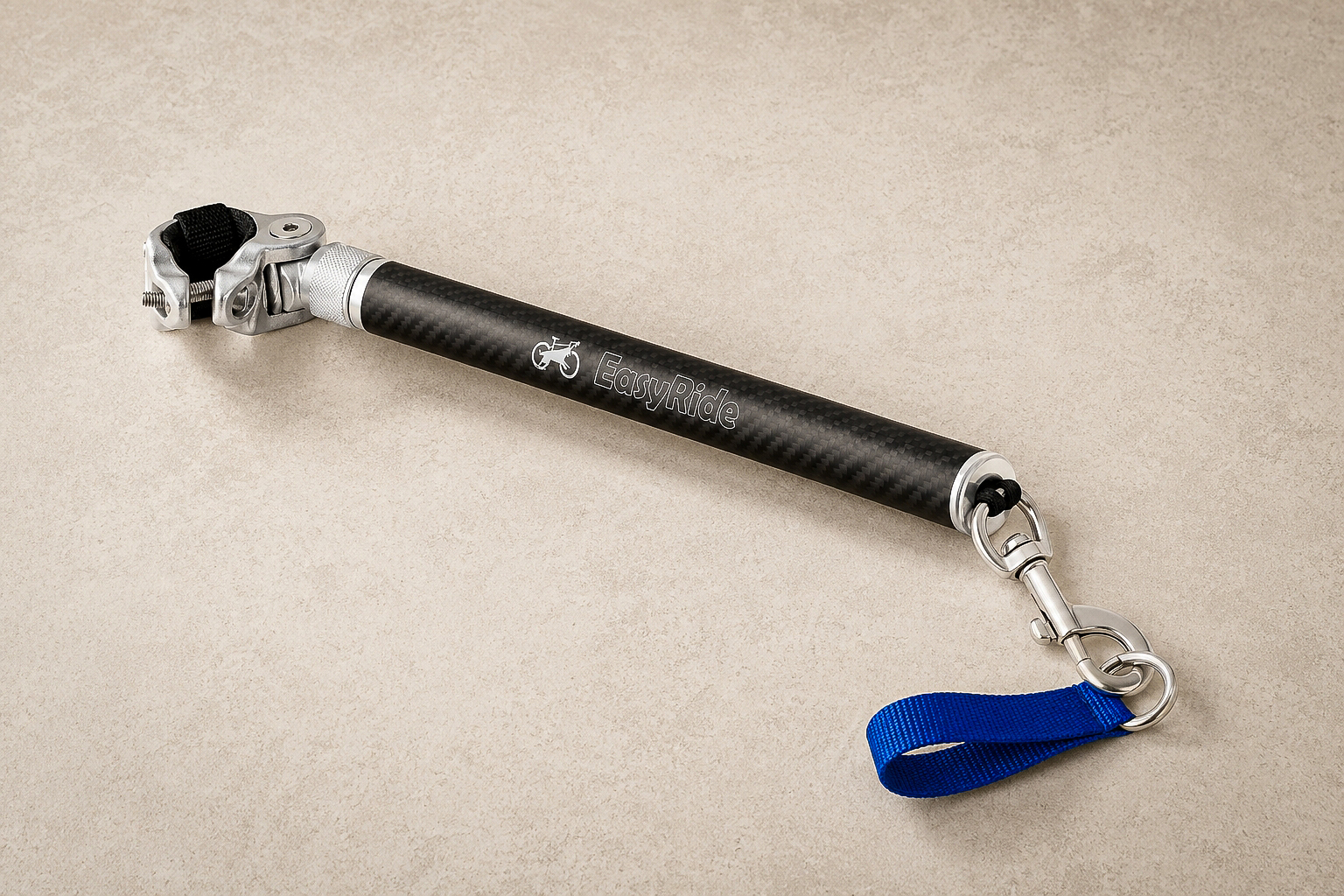
Malabi V2.0 180° Rotating Bike Leash
Best for More Flexible Motion. A more advanced variation for buyers who want a little more dynamic movement handling than a more fixed-feeling system provides.
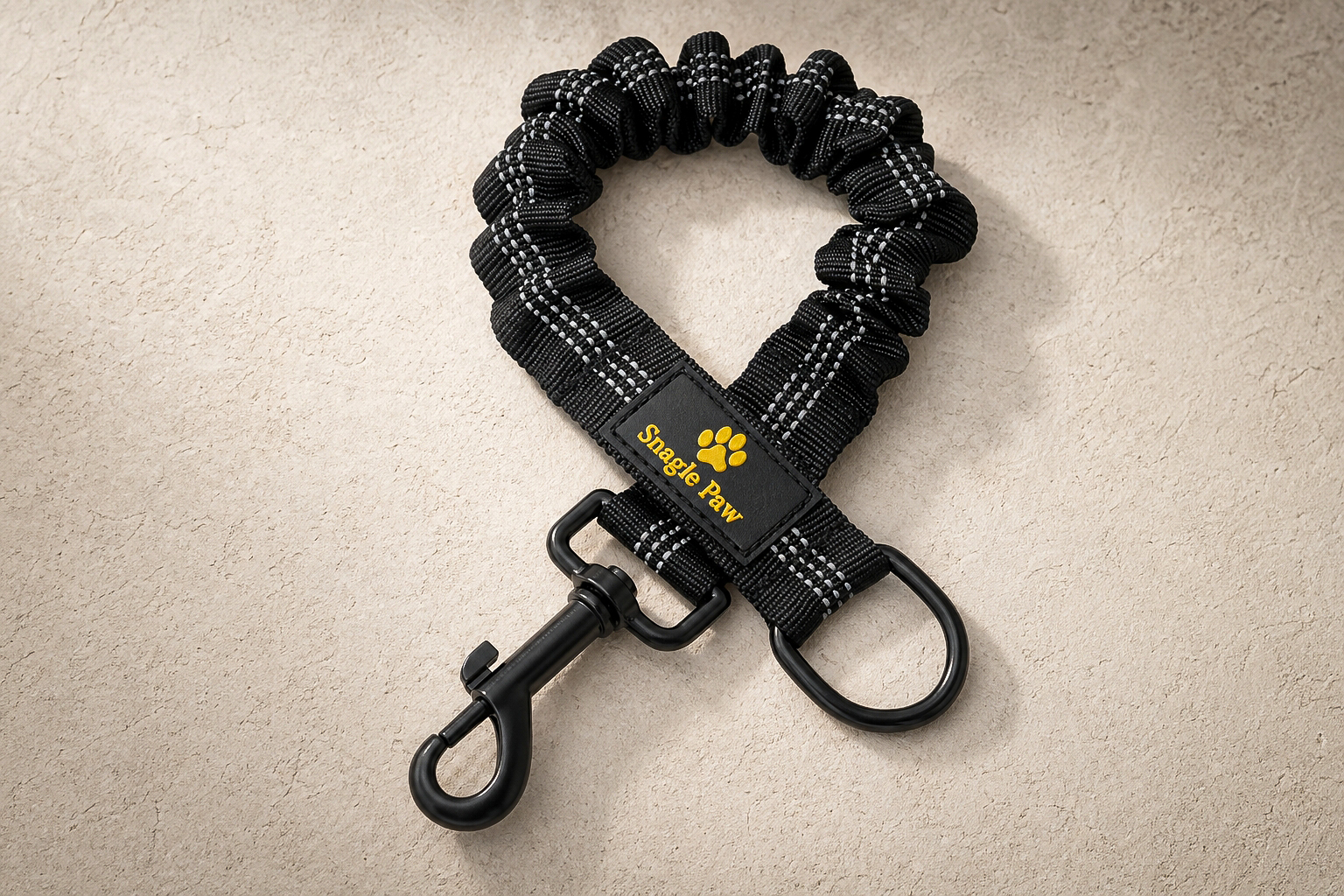
Bike Tow Leash Bike Attachment
Best for Dedicated Bike-Attachment Simplicity. A clear bike-specific option for buyers who want an attachment-led approach from a brand focused specifically on this niche.
Quick Comparison Matrix
| Product | Best For | System Type | Shock / Pull Management | Side-Control Feel | Setup Simplicity | Main Strength | Amazon |
|---|---|---|---|---|---|---|---|
| Walky Dog Plus Dog Bike Exerciser | Most owners | Dedicated bike-mounted exerciser | Strong mainstream bike-dog control focus | High | Moderate | Best overall specialist fit | View |
| MALABI V2.0 Dog Bike Leash | General recreational cycling | Bike-specific leash system | Balanced modern pull management | High | Moderate to easy | Strong current all-around option | View |
| Malabi V2.0 180° Rotating Bike Leash | Buyers wanting more flexible movement | Rotating bike-leash system | Advanced motion-handling angle | High | Moderate | More flexible dynamic feel | View |
| Bike Tow Leash Bike Attachment | Attachment-focused buyers | Dedicated bike attachment system | Purpose-built control emphasis | High | Moderate | Clear niche-specialist bike setup | View |
How We Picked These Dog Bike Leashes
1. True bike use came first
We did not treat normal hands-free leashes or generic shock-absorbing leashes as real bike-leash solutions. The first filter was whether the product was actually designed for side-by-side bike use instead of just being loosely adaptable.
2. Specialist bias mattered here
This is a tighter niche than many other categories, so mainstream trust mattered less than whether the system felt like a legitimate bike-dog solution. Dedicated products deserved priority over generic leash listings.
3. Different roles still mattered
Even with fewer quality products in the category, we still separated real buyer situations: best overall specialist, best modern everyday option, best rotating-motion version, and best attachment-focused system.
4. Control and predictability mattered most
Stable side positioning, pull management, and reduced steering chaos mattered much more than small cosmetic differences or generic leash language.
5. Safety logic beat feature inflation
We leaned toward products that at least try to solve the real problem of riding with a dog next to the bike, not products that just pile on buzzwords like reflective, heavy-duty, or advanced shock absorption without a true bike-specific system.
6. Real-world use mattered more than spec sheets
The key question was simple: does this look like something a normal owner could reasonably set up and use without immediately feeling like the bike-dog combo is unstable or improvised?
Best Dog Bike Leash Options Explained
Walky Dog Plus Dog Bike Exerciser
This is the strongest all-around starting point for most buyers because it is one of the clearest examples of a true dog bike leash system rather than a creative workaround. It makes sense for owners who want a more established specialist option and who care more about predictable side running than about experimenting with improvised leash setups.
It earns the top spot because it fits the widest range of serious buyer intent in this category: a real mounted system, a clearer exercise focus, and a product identity that feels built around biking with a dog instead of loosely borrowing from another niche.
It is not a magic fix for poor training or the wrong dog-bike match, but it is the cleanest place to start if your priority is getting into this category with the least generic answer possible.
- Best overall specialist option
- Clear bike-mounted exerciser format
- Good starting point for serious category buyers
- Better than trying to improvise with a normal leash
MALABI V2.0 Dog Bike Leash
This is the better fit for buyers who want a more current-feeling bike leash setup and do not necessarily need the page’s most established legacy-style specialist answer. It makes sense as a strong everyday recreational cycling pick because it still stays inside the real bike-leash category rather than drifting into generic leash territory.
It works well as the page’s main alternative because not every buyer wants the exact same system feel. Some people want a dedicated bike-dog setup that feels slightly more modern in positioning and product concept while still staying clearly bike-specific.
If your goal is ordinary recreational riding with a dog that already has the right temperament and running behavior for biking, this is one of the cleaner places to start.
- Best for most recreational riders
- Current bike-specific design angle
- Good all-around alternative to the category leader
- Useful when you want a more modern-feeling system
Malabi V2.0 180° Rotating Bike Leash
This version makes the most sense for buyers who specifically care about a more flexible motion-handling concept and want something that feels a little more adaptive in how it responds during movement. It is not automatically the best choice for everyone, but it solves a different preference than a more fixed-feeling system.
Its place on the page is important because bike riding with dogs is all about how little moments of movement are managed. A rotating or more dynamic-feeling design can appeal to owners who are thinking carefully about side shifts, angles, and the dog’s movement rhythm next to the bike.
This is the better fit when you specifically want the more flexible version of the MALABI idea, not just a second random product from the same brand.
- Best for more flexible motion
- Different role than the standard MALABI version
- Useful for buyers focusing on movement handling
- Better for owners who want a more dynamic-feeling setup
Bike Tow Leash Bike Attachment
This is the clearer attachment-focused pick for buyers who want a brand centered directly on the bike-dog niche and prefer a product identity that feels highly specialized. In a small category like this, that matters more than it would in broader markets like collars or raincoats.
It makes sense for owners who are not looking for a generic exercise leash at all, but for a bike attachment concept that feels purpose-built from the ground up. That does not mean it is automatically the right answer for every rider, but it does make it a meaningful fourth option on a page that should stay tightly on-category.
It earns its place because it preserves category purity. It keeps the page focused on real bike systems instead of drifting toward generic leash products.
- Best for dedicated bike-attachment simplicity
- Specialist niche option
- Good for buyers wanting a clear attachment-first design
- Helps keep the page focused on true bike systems
Best for Specific Dog Bike Leash Situations
Best for Most Buyers
If you want the clearest real bike-leash starting point with a strong specialist identity and a more proven exercise-system feel, Walky Dog is the cleanest place to begin.
Best fit to start with: Walky Dog Plus Dog Bike Exerciser
Best for Recreational Everyday Riding
If your goal is normal recreational cycling with a dog and you want a bike-specific system that feels current and practical, the standard MALABI V2.0 is a strong match.
Best fit to start with: MALABI V2.0 Dog Bike Leash
Best for Buyers Wanting More Dynamic Motion Handling
If you care about a more flexible-feeling system and specifically want the rotating version of the design concept, the 180° MALABI version is the better fit.
Best fit to start with: Malabi V2.0 180° Rotating Bike Leash
Best for Attachment-Focused Buyers
If you want a product that feels centered on the bike-attachment concept itself and you like the idea of a niche specialist approach, Bike Tow Leash is a logical alternative.
Best fit to start with: Bike Tow Leash Bike Attachment
Best for Avoiding Generic Leash Mistakes
If your main goal is to stop yourself from defaulting to a normal leash or hands-free leash that was never truly designed for biking, Walky Dog is again the strongest benchmark answer.
Best fit to start with: Walky Dog Plus Dog Bike Exerciser
Best for Buyers Comparing Two MALABI Options
If you already like the MALABI idea and just need to choose between the simpler version and the more flexible rotating one, start with the standard V2.0 unless flexible motion handling is specifically what you care about most.
Best fit to start with: MALABI V2.0 Dog Bike Leash
What Actually Matters Most in a Dog Bike Leash
A real bike system matters more than leash marketing
In this category, the most important question is not whether a leash sounds durable. It is whether the product is actually designed to help a dog run next to a moving bicycle with more control and less chaos.
Side positioning changes everything
One of the main reasons a true bike leash system exists is to keep the dog in a more predictable position relative to the bike. That matters much more than decorative features or generic comfort language.
Shock absorption is about stability, not just comfort
Sudden pulls are not just annoying on a bike. They can affect steering, rider confidence, and how safe the ride feels. Pull-management features matter because biking magnifies small leash problems very quickly.
The right dog matters as much as the right product
Even the best bike leash is the wrong choice for a dog that is unpredictable, reactive, untrained around wheels, or not physically suited to steady side running.
Your riding style should influence the choice
A slow neighborhood rider, a recreational path rider, and a more active fitness rider do not all need the exact same system feel. The best product depends partly on how controlled or how dynamic your riding routine is.
Bike compatibility and mounting logic matter
A product can sound good in theory and still feel awkward if the attachment logic does not fit how you actually use your bike. Setup realism matters here more than in many simpler dog categories.
Not every dog exercise goal should involve a bike
Some owners chase the idea of tiring a dog out faster, but biking is only a sensible option when the dog is the right match for it. This is not a shortcut category. It is a control category.
Predictability beats feature count
The best dog bike leash is usually the one that makes the ride feel calmer, clearer, and easier to anticipate, not the one with the most impressive-sounding product description.
A harness-first mindset often makes more sense
In a category where sudden directional force can happen, many owners will find a harness-based setup more logical than relying on a collar. The leash system is only part of the control picture.
The category is narrow, so role clarity matters more
Because there are fewer real contenders, the best page is not the one that stretches the category with off-topic products. It is the one that keeps the product set tight and clearly explained.
Common Mistakes When Buying a Dog Bike Leash
Using a normal leash instead of a real bike system
This is the most common mistake by far. A normal leash does not solve the side-positioning and pull-management problems that biking creates.
Buying for the idea of biking, not the reality of the dog
Some dogs simply are not good candidates for running beside a bike, no matter how good the product looks.
Thinking shock absorption makes everything safe
Shock absorption can help, but it does not replace control, training, or sensible dog-bike matching.
Ignoring steering and balance implications
Bike riding with a dog is not just leash walking at a faster pace. Sudden side pulls matter much more once you add speed and balance.
Buying generic “hands-free” products for bike use
Many generic exercise leashes sound close enough on paper but are not really intended to solve the bike-specific control problem.
Choosing by price only in a safety-sensitive category
This is one of the last dog gear categories where the cheapest-looking workaround should be the default answer.
Skipping gradual training
Even with the right product, the dog still needs a sensible introduction to bike movement, side position, and pace.
Overestimating how far the dog should run
A bike leash can make riding with a dog more controlled, but it does not mean the dog should go farther or faster than is physically appropriate.
Treating attachment setup as an afterthought
If the mounting logic feels awkward, insecure, or mismatched to your bike, the whole experience usually gets worse very quickly.
Forgetting that category purity matters here
In a narrow niche, trying to fill the page with loosely related leashes usually makes the buying advice worse, not better.
Frequently Asked Questions
What is the best dog bike leash for most owners?
For most buyers, the best starting point is a true bike-mounted leash system that improves side positioning, helps manage sudden pulls, and feels more controlled than a normal leash setup.
Can I use a normal dog leash while biking?
It is usually a poor idea. A normal leash does not solve the specific control and stability problems that come with riding beside a dog.
Are dog bike leashes safe?
They can be safer than improvised setups, but safety still depends heavily on the dog, the rider, training, pace, environment, and overall judgment.
What kind of dog is suitable for a bike leash?
The best fit is usually a dog that is physically capable of steady running, calm around bikes, predictable on leash, and not highly reactive.
Should I use a harness with a dog bike leash?
In many cases, yes. A harness often makes more sense than a collar in a category where directional force and sudden movement can happen.
Is a rotating bike leash better than a standard one?
Not automatically. It mainly makes sense if you specifically want a more flexible-feeling motion response than a more fixed system offers.
Can a bike leash replace training?
No. The product can improve setup quality, but it does not replace gradual training, sensible pacing, and knowing whether the dog is a good fit for biking at all.
How fast should I ride with a dog on a bike leash?
Slower and more controlled than many people first imagine. The goal is stability and safe movement, not pushing speed for its own sake.