
Best Dog Bike Leash for Small Dogs
A dog bike leash for a small dog is not just a scaled-down version of what works for large dogs. Smaller dogs create less raw pulling force, but they often create different handling problems: quicker darting, less predictable line tension, lower visibility beside the bike, and a bigger need for setups that feel smooth rather than overly heavy or overbuilt. A system that sounds impressive for strong large dogs can easily feel like too much for a smaller dog and a normal everyday bike routine.
This page focuses on practical bike leash systems that make more sense for small dogs in real use. The goal is not just to attach a dog to a bike somehow. It is to choose a system that supports steadier positioning, easier handling, more realistic setup, and better owner confidence without turning the whole category into a heavy-duty gear decision. For smaller dogs, lighter control, predictability, and actual usability matter just as much as safety.
Top Picks for Dog Bike Leashes for Small Dogs
These six options cover the buying situations that usually matter most in this category: best overall balance, best budget pick, best established system, best premium option, best for lighter handling, and best simple entry pick for buyers who want a more basic category start.
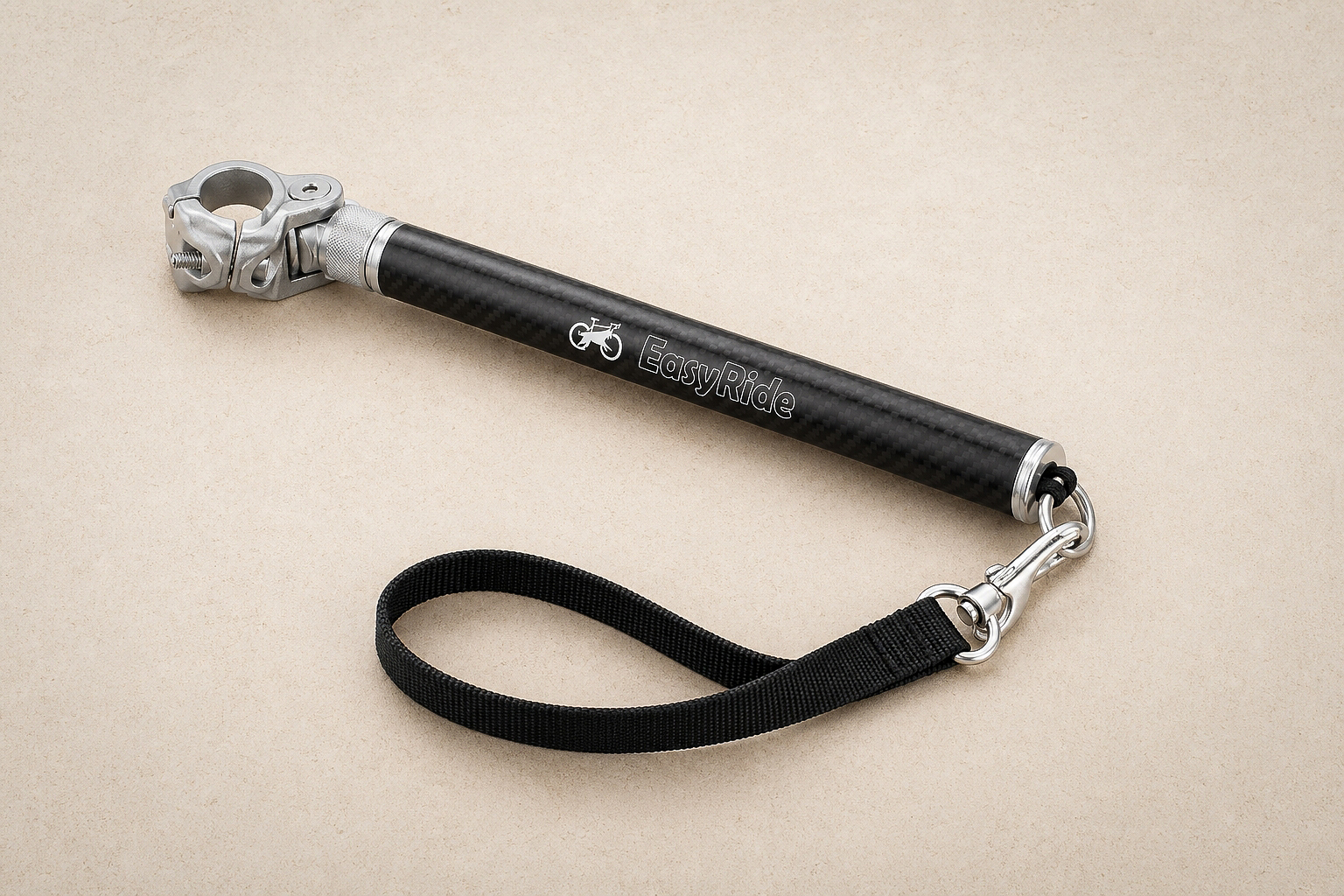
MALABI V2.0 Dog Bike Leash
Best Overall. The cleanest all-around starting point for most small-dog owners who want a bike-use system that feels current, practical, and easier to approach than an overly heavy-duty setup.
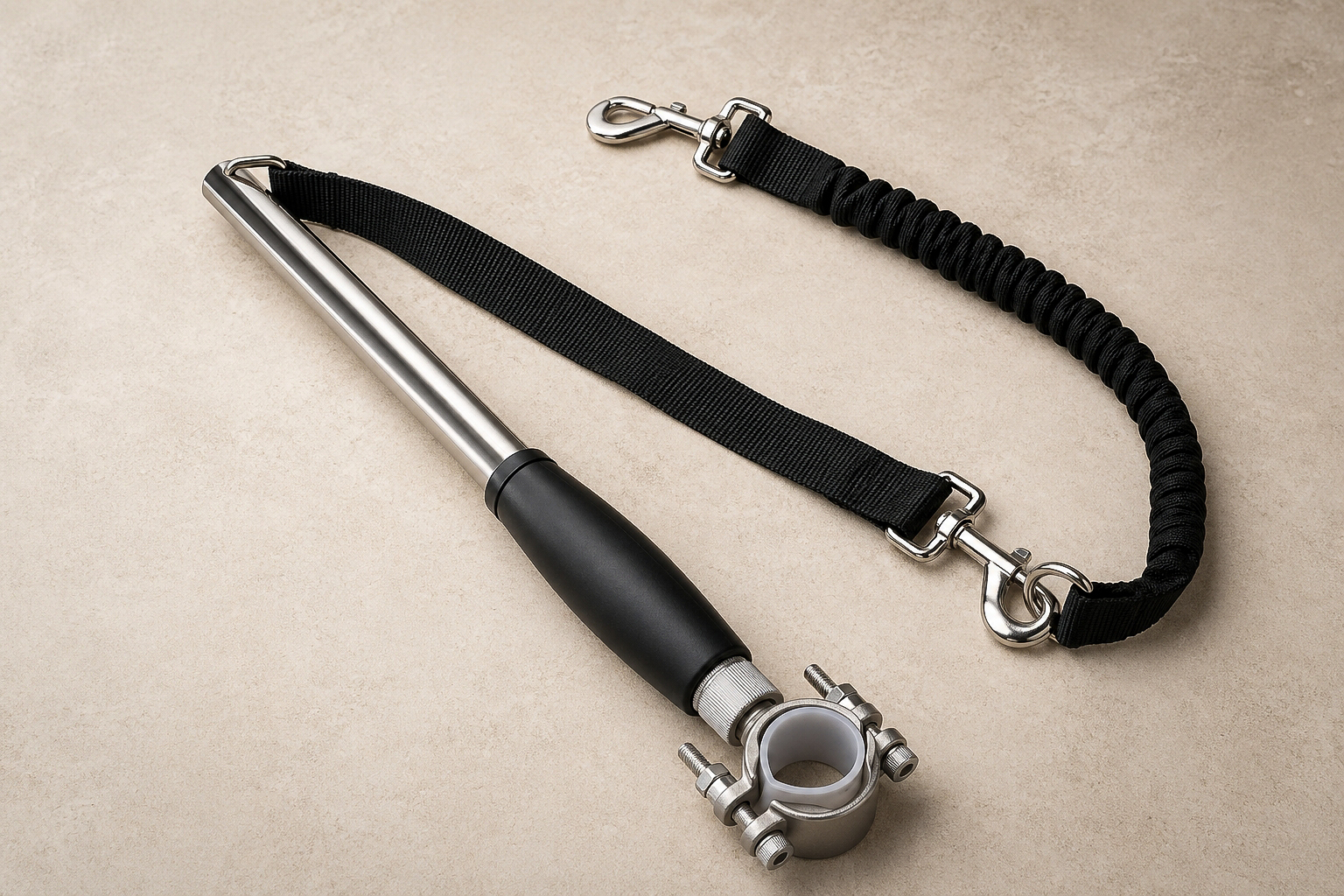
Pietenjoy Hands Free Dog Bike Leash
Best Budget Pick. A lower-cost category entry for buyers who want a more accessible bike-leash purchase without jumping straight to the page’s more established premium systems.
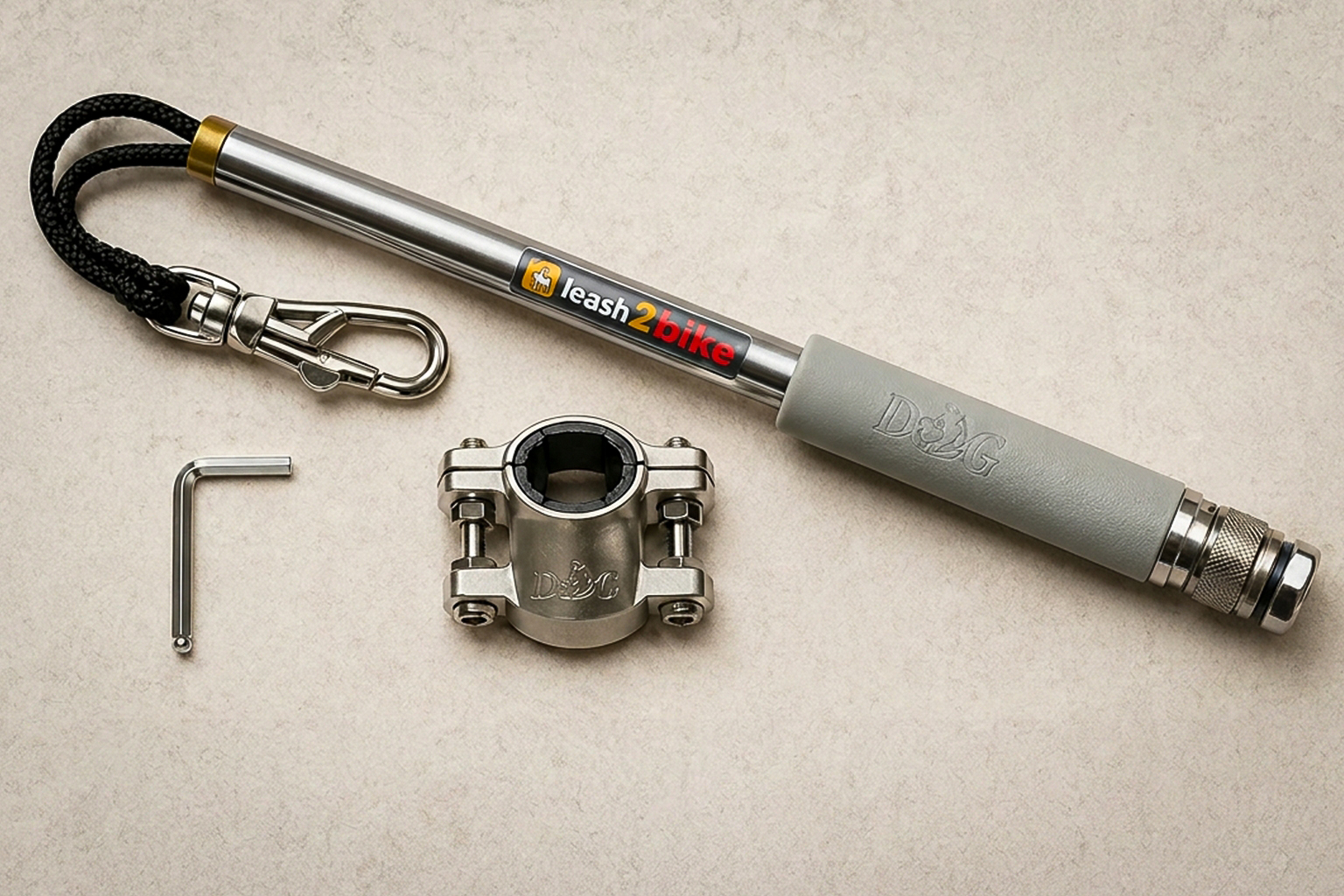
Walky Dog Plus Dog Exerciser
Best Established System. A strong dedicated bike-dog option for buyers who want a category veteran with a more proven, purpose-built feel.
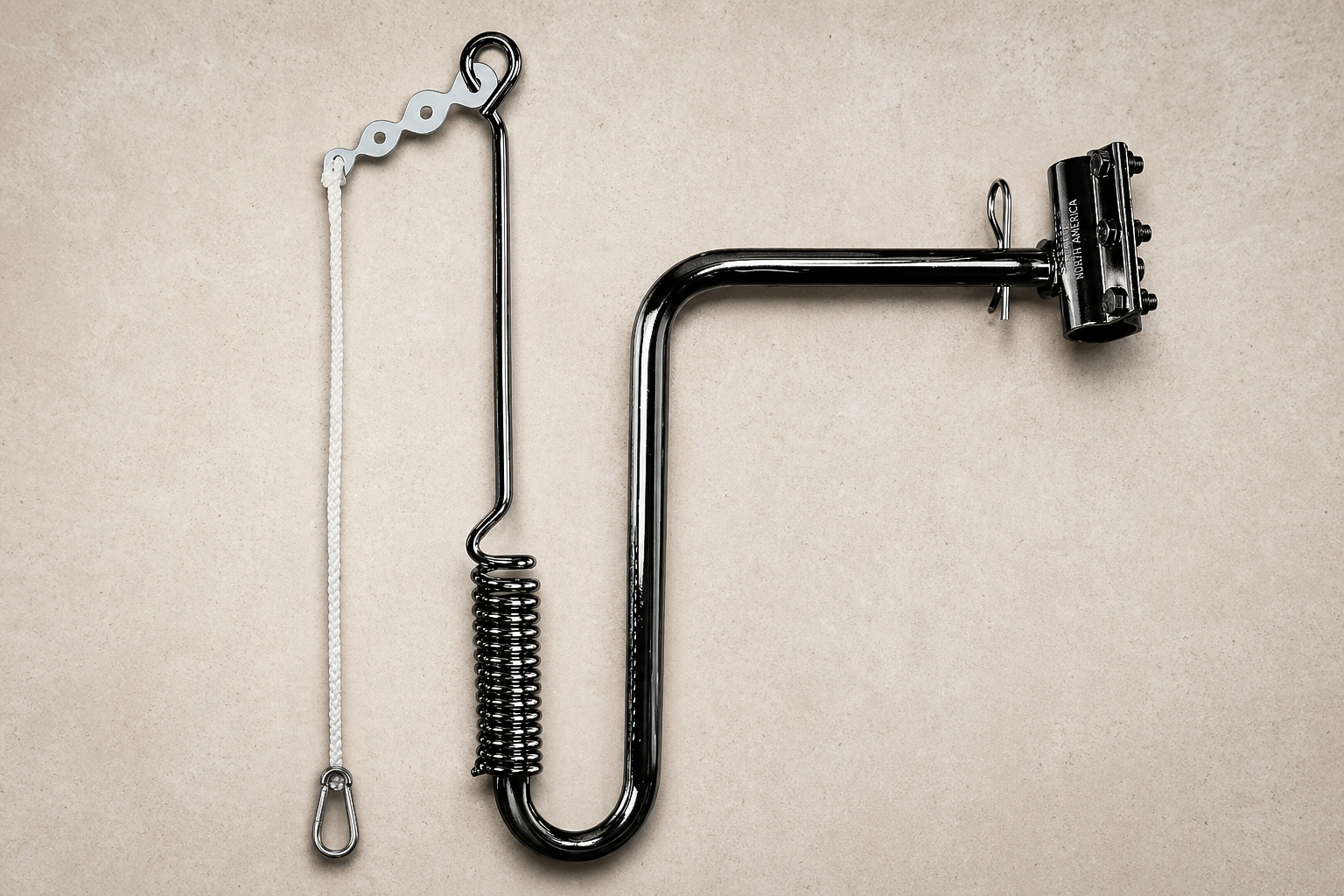
Springer Dog Exerciser
Best Premium Pick. A more premium, established system for buyers who want a known name and a clearer long-term bike-running setup.
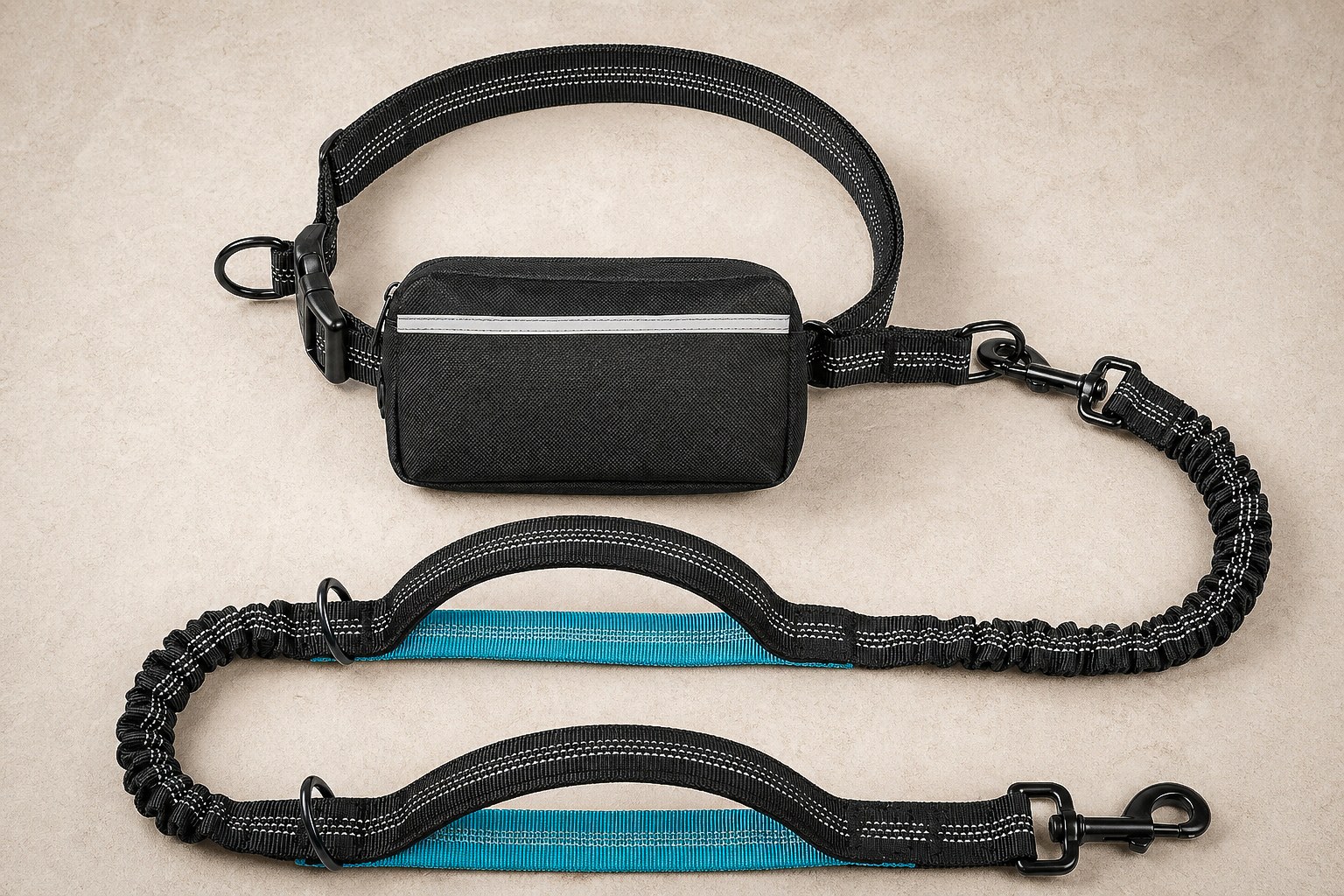
iYoShop Hands Free Dog Leash
Best for Lighter Handling. A softer-feeling option for buyers who care more about lower-bulk handling and a less intimidating overall feel for smaller dogs.
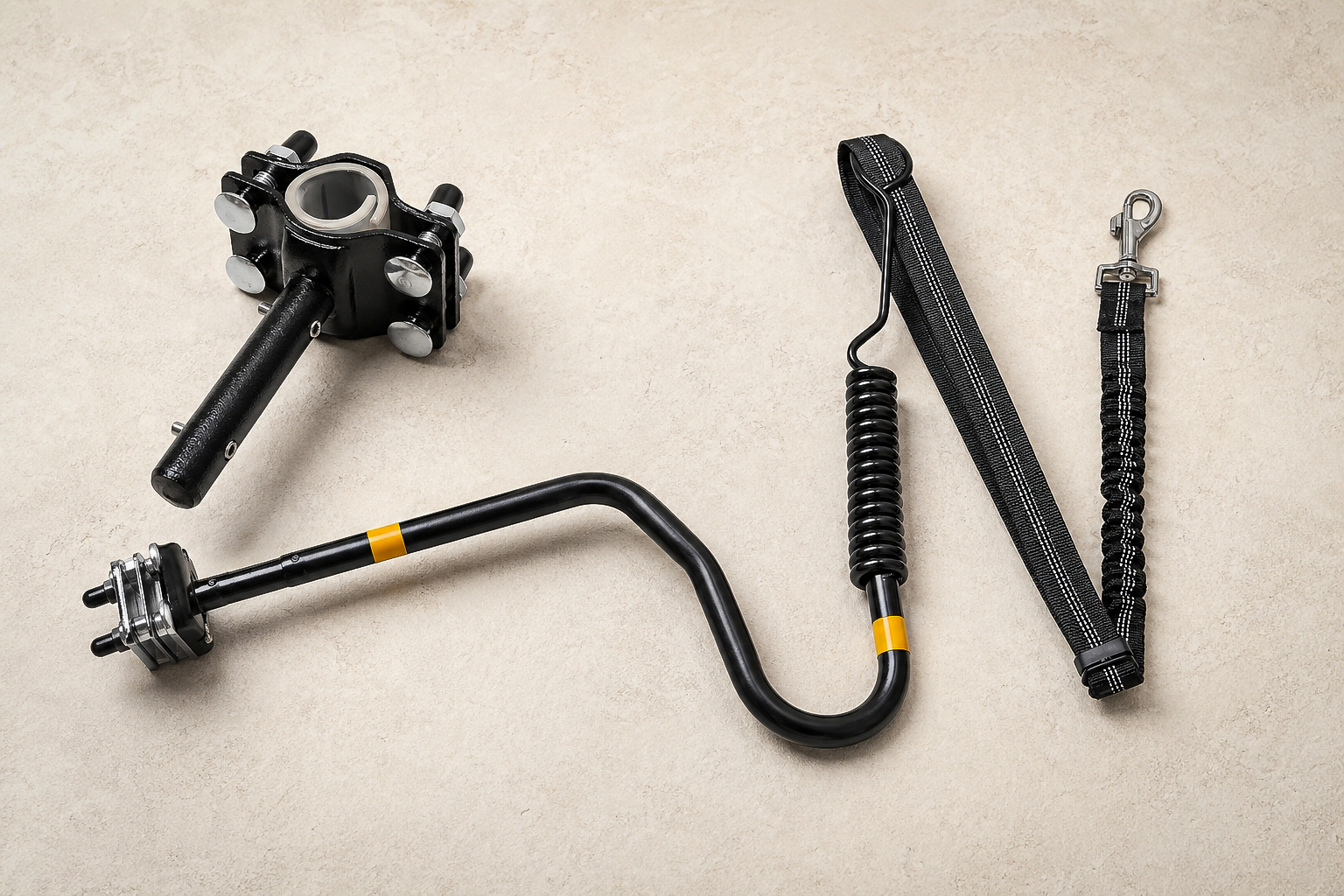
Dog Bike Leash Attachment for Dog Exercising
Best Simple Entry Pick. A basic attachment-style option for buyers who want to keep the category decision simple, accessible, and less premium-heavy.
Quick Comparison Matrix
| Product | Best For | System Type | Small-Dog Fit Logic | Control Feel | Weight / Bulk Feel | Ease of Setup | Main Strength | Amazon |
|---|---|---|---|---|---|---|---|---|
| MALABI V2.0 Dog Bike Leash | Most small dogs | Bike leash system | Balanced and approachable | Moderate to high | Medium | Moderate to easy | Best all-around balance | View |
| Pietenjoy Hands Free Dog Bike Leash | Budget-conscious buyers | Entry bike leash system | Accessible category start | Moderate | Medium | Easy to moderate | Budget-friendly entry | View |
| Walky Dog Plus Dog Exerciser | Buyers wanting a proven dedicated system | Dedicated bike attachment | Very believable system choice | High | Medium to sturdy | Moderate | Established purpose-built design | View |
| Springer Dog Exerciser | Premium-minded buyers | Premium bike-running system | Known long-term setup | High | Medium to sturdy | Moderate | Premium established system | View |
| iYoShop Hands Free Dog Leash | Lighter-feeling handling | Hands-free style leash | Less intimidating overall feel | Basic to moderate | Light to medium | Easy | Lighter handling angle | View |
| Dog Bike Leash Attachment for Dog Exercising | Simple lower-commitment start | Basic bike attachment | Simple category entry | Basic to moderate | Medium | Easy | Simple accessible attachment route | View |
How We Picked These Dog Bike Leashes for Small Dogs
1. Small-dog handling came first
We did not just copy the large-dog logic and shrink it. The first filter was whether the system made sense for smaller dogs that usually need smoother handling, less intimidation, and more believable everyday bike-side control than a maximum heavy-duty setup.
2. Bike-use credibility still mattered
Even though the page includes some lighter-feeling options, we still prioritized products that make at least plausible sense for bike-related use. A random walking leash is not automatically a good small-dog bike solution just because the dog weighs less.
3. Overbuilt was not automatically better
Some systems that sound great for powerful large dogs can feel like too much for a smaller dog and an ordinary rider. The page favors setups that feel manageable, not just the most force-oriented system available.
4. Safe bestseller bias
The goal is not obscure cycling gear. The page leans toward mainstream, conversion-friendly options that make more practical affiliate sense for a buyer who wants believable choices and a cleaner purchase path.
5. Different roles, not six clones
Instead of presenting six near-identical attachments, this page separates useful buying angles: overall balance, budget entry, established system, premium setup, lighter handling feel, and a simple basic start.
6. Real-world usability mattered
A bike leash system only helps if owners will actually mount it, trust it, and use it repeatedly. Ease of setup, confidence during use, and realistic day-to-day practicality mattered in the final selection.
Best Dog Bike Leash for Small Dogs Options Explained
MALABI V2.0 Dog Bike Leash
This is the strongest overall starting point for most small-dog owners because it feels like the cleanest middle ground between real bike-use intention and manageable everyday practicality. It does not lean as hard into the heavy-duty identity that often fits large-dog pages, but it still feels more category-appropriate than a generic walking setup.
That balance is exactly why it wins the top spot here. With smaller dogs, the goal is often not maximum force control. The goal is smoother side-by-side handling, enough structure to feel believable, and a system that does not feel unnecessarily intimidating or overbuilt for the dog.
It makes the most sense for owners who want one sensible starting point that covers the widest range of normal use cases without defaulting to the cheapest option or the heaviest legacy system.
- Best overall balance for most small dogs
- Feels more approachable than overly heavy-duty systems
- Good middle ground between control and practicality
- Useful as the clearest everyday starting point
Pietenjoy Hands Free Dog Bike Leash
This is the budget pick for buyers who want a more accessible entry into the category and do not want to commit immediately to the page’s more established systems. That role matters because plenty of owners with small dogs want a simpler first purchase before deciding whether bike-running will really become part of their routine.
The value here is not that it outranks the stronger established systems. The value is that it gives a lower-cost route into the category while still staying closer to bike-use intent than a totally unrelated leash choice.
It makes the most sense for owners who want to spend less first, keep expectations realistic, and avoid jumping immediately to a premium system when their small dog’s bike-running future is still uncertain.
- Best budget pick
- Lower-cost category entry
- Useful for trying the category without spending big
- Better than defaulting to a normal leash workaround
Walky Dog Plus Dog Exerciser
This is the best established system for buyers who want a more proven, purpose-built answer and feel more comfortable with a dedicated bike-dog product than with newer or more generic alternatives. It brings a stronger “real system” feeling to the page.
That makes it especially attractive for owners who are serious about bike exercise and do not want to build their decision around lower-cost experimentation. Even for smaller dogs, there is still value in choosing a product that feels clearly rooted in the category.
It is the better fit when you want more than an accessible entry product and care about a more established system identity without necessarily jumping straight to the most premium-feeling choice.
- Best established system
- More purpose-built than generic alternatives
- Strong for buyers who want a clearer category veteran
- Good for more serious small-dog bike routines
Springer Dog Exerciser
This is the premium pick for buyers who want a more established and more premium-feeling setup from the start. Some owners simply feel more comfortable buying the more known, dedicated solution rather than trying to save money first and upgrade later.
That is where this system earns its role. It is less about being the cheapest workable option and more about being the kind of product buyers choose when they want a stronger long-term answer and a clearer sense of category credibility.
It makes the most sense for premium-minded buyers who want to feel like they bought a true bike-running system rather than a lighter entry product that happened to fit the budget.
- Best premium pick
- Established dedicated system feel
- Good for buyers who want a stronger long-term answer
- More category credibility than a budget-first approach
iYoShop Hands Free Dog Leash
This is the lighter-handling option on the page. It is here for buyers who are not looking for the strongest dedicated bike-mounted identity first, but instead care more about a lower-bulk, less intimidating overall feel that can make the category seem easier to approach.
That makes it especially relevant for very small dogs, gentler bike routines, and owners who want something that feels simpler and less force-oriented than the page’s more system-heavy picks. It is not the strongest category-purist choice, but it fills a real buyer need.
It makes the most sense when “lighter handling” matters more than choosing the most dedicated or most premium bike leash system available.
- Best for lighter handling
- Feels less intimidating than heavier systems
- Useful for gentler small-dog routines
- Good for buyers prioritizing lower-bulk feel
Dog Bike Leash Attachment for Dog Exercising
This is the simple entry pick for buyers who want to keep the whole decision basic. Not everyone wants a known premium system, and not every owner wants to think deeply about legacy bike-running brands before testing whether this category even fits their dog and routine.
That is what gives this option a place on the page. It serves the buyer who wants a straightforward attachment-style start and prefers simple access over a more prestige-led or more system-heavy category decision.
It makes the most sense when you want to keep the purchase uncomplicated and recognize that stronger dedicated systems exist for buyers with higher expectations or more demanding use cases.
- Best simple entry pick
- Lower-commitment category start
- Useful for buyers who want a basic first step
- Better as a simple route than a premium substitute
Best for Specific Dog Bike Leash Situations
Best for Most Small Dogs
If you want one sensible starting point that covers the widest range of normal small-dog bike-use situations well, the MALABI option is the cleanest overall answer on this page.
Best fit to start with: MALABI V2.0 Dog Bike Leash
Best for Budget-Conscious Buyers
If you want a lower-cost way into the category and do not want to commit immediately to a stronger premium system, the Pietenjoy pick is the more logical entry.
Best fit to start with: Pietenjoy Hands Free Dog Bike Leash
Best for Buyers Who Want a Proven Dedicated System
If you care more about choosing a category veteran with a stronger purpose-built identity, the Walky Dog Plus is the better starting point.
Best fit to start with: Walky Dog Plus Dog Exerciser
Best for Premium-Minded Buyers
If you want the page’s more premium established solution and prefer a stronger long-term purchase from the start, the Springer system is the cleaner fit.
Best fit to start with: Springer Dog Exerciser
Best for Gentler Small-Dog Bike Routines
If you care more about a softer, lighter-feeling handling experience than about the most dedicated bike-system identity, the iYoShop option is the better angle.
Best fit to start with: iYoShop Hands Free Dog Leash
Best for a Simple First Category Try
If you want a basic first step and are not ready for a more premium or more established system decision, the simple attachment pick makes more sense.
Best fit to start with: Dog Bike Leash Attachment for Dog Exercising
Best for Owners Who Want One Stronger Long-Term Choice
If you would rather buy one more serious dedicated system instead of starting cheaper and upgrading later, the Walky Dog Plus remains the better long-term established choice.
Best fit to start with: Walky Dog Plus Dog Exerciser
Best for Owners Who Want Balance Without Going Ultra-Budget or Ultra-Premium
If you want the cleanest middle-ground answer, the MALABI pick is still the strongest overall fit for this page.
Best fit to start with: MALABI V2.0 Dog Bike Leash
What Actually Matters Most in a Dog Bike Leash for Small Dogs
Small dogs need smoother handling, not just “less strength”
The issue is not only that small dogs pull less. They often move more suddenly, change direction faster, and need a setup that feels smoother and easier to manage.
A lighter-feeling system can make more sense
Some small dogs and owners do better when the overall setup feels less bulky, less force-oriented, and easier to approach.
Dedicated bike logic still matters
Even with smaller dogs, a believable bike-use system usually makes more sense than trying to improvise with an ordinary leash and hope it feels stable enough.
Owner confidence matters a lot
If the system feels confusing or untrustworthy, many owners will not use it consistently or correctly. Confidence affects real-world safety and repeat use.
Side positioning matters even more when the dog is small
Smaller dogs are easier to lose track of beside the bike. A system that encourages steadier position can feel much more practical.
This category is not about dragging a dog along
The goal is controlled side-by-side exercise, not speed and not towing. That matters even more when the dog is small and easier to outpace.
Route choice matters a lot for smaller dogs
Smooth paths, lower traffic, and fewer sudden distractions usually matter more when the dog is smaller and easier to unsettle.
Small-dog behavior matters more than product hype
A calm small dog that can hold position is a very different bike candidate than a reactive, darty, distraction-prone small dog.
Simple setup encourages real use
If the mounting and handling feel too annoying, the system often gets used less. Practical simplicity matters for everyday buyer satisfaction.
Not every small dog needs the most premium system
Some owners benefit from a better long-term setup. Others just need a sensible entry product that fits a lighter routine.
Visual awareness matters when the dog is lower to the ground
Smaller dogs can be easier to miss around wheels, corners, and passing traffic. Predictable side position matters for more than convenience.
The best product still depends on the rider too
Skill, balance, route discipline, and comfort on the bike all shape which product actually makes the most sense in real use.
Common Mistakes When Buying a Dog Bike Leash for a Small Dog
Assuming the large-dog logic is exactly the same
Small dogs often need smoother, lighter-feeling handling rather than the most heavy-duty force-management setup.
Buying the strongest-looking system just because it sounds safer
For some small dogs, that can actually make the whole setup feel more awkward or unnecessarily intimidating.
Treating a normal leash like a bike leash substitute
Even with smaller dogs, generic leash improvisation is often less convincing than choosing something that at least makes sense for bike-side use.
Ignoring the dog’s actual movement pattern
A dog that darts, sniffs off line, or gets distracted fast creates a very different bike-use problem than a dog that tracks steadily.
Buying a budget option and expecting premium confidence
Budget choices can be smart, but they are not always the strongest answer if the owner wants a more serious long-term setup.
Overlooking setup simplicity
If the system feels annoying to mount or use, many owners simply stop using it even if the product sounded good during the buying phase.
Buying by marketing language instead of buyer fit
What matters most is whether the product fits the actual dog, rider, and route. Feature language alone does not answer that.
Choosing based only on price
A very cheap option can still be the wrong answer if the owner actually wants stronger category credibility or longer-term confidence.
Ignoring how visible and trackable the dog is beside the bike
Smaller dogs are easier to lose visually, which makes predictable side position more important than buyers sometimes expect.
Treating bike-running as a shortcut around training
A good product does not replace calm side-by-side behavior, responsiveness, and basic control.
Assuming small dogs do not need real control systems
Lower body weight does not remove the need for believable handling and a setup that actually supports safer riding.
Picking a product the owner is not comfortable using
If the owner does not trust the setup, that uncertainty usually shows up in how the whole ride goes.
Frequently Asked Questions
What is the best dog bike leash for small dogs overall?
For most owners, the best overall choice is a bike-use system that feels manageable, believable, and easier to handle with a smaller dog rather than overly heavy-duty.
Are bike leashes safe for small dogs?
They can be, but the fit depends on the dog’s behavior, the rider’s control, the route, and whether the system actually makes sense for small-dog bike use.
Do small dogs need a special bike leash?
In practice, they often benefit from a system that feels smoother, lighter, and easier to manage rather than simply using the most force-oriented large-dog setup.
Is a regular hands-free leash enough for biking with a small dog?
Not always. A bike-friendly system usually makes more practical sense than relying on a normal hands-free walking leash alone.
What matters most in a small-dog bike leash?
Smooth handling, predictable side position, believable control, easy setup, and a system that does not feel like too much for the dog or rider.
Is a premium bike leash worth it for a small dog?
Sometimes. It can make sense when the owner wants a stronger long-term system, clearer category credibility, and more confidence than a budget-first option provides.
Can I bike with any small dog using one of these systems?
Not automatically. The dog still needs the right temperament, enough control, and a routine that suits bike-side exercise.
Why might a lighter-feeling system be better for a small dog?
Because some smaller dogs and riders do better with a setup that feels smoother, less bulky, and easier to manage in normal everyday use.