
Best Dog Bike Leash for Large Dogs
A dog bike leash for a large dog is not a normal leash decision with a bicycle added on top. Bigger dogs create more pull, more side force, more speed changes, and more instability when the setup is not designed well. That means weak hardware, awkward mounting, poor shock control, or a bad leash angle become much bigger problems once the dog is large enough to really influence the bike.
This page focuses on practical bike leash systems that make more sense for larger dogs and real outdoor use. The goal is not to treat every attachment like the same product. It is to help you choose a system that fits your dog’s size, running style, control level, and the kind of bike exercise you actually want to do. For large dogs, stability, predictability, and safer side-by-side handling matter much more than novelty.
Top Picks for Dog Bike Leashes for Large Dogs
These six options cover the buying situations that usually matter most in this category: best overall balance, best premium established system, best for strong stability, best modern mainstream pick, best budget-accessible starting point, and best simple entry pick for buyers who want a more basic attachment route.
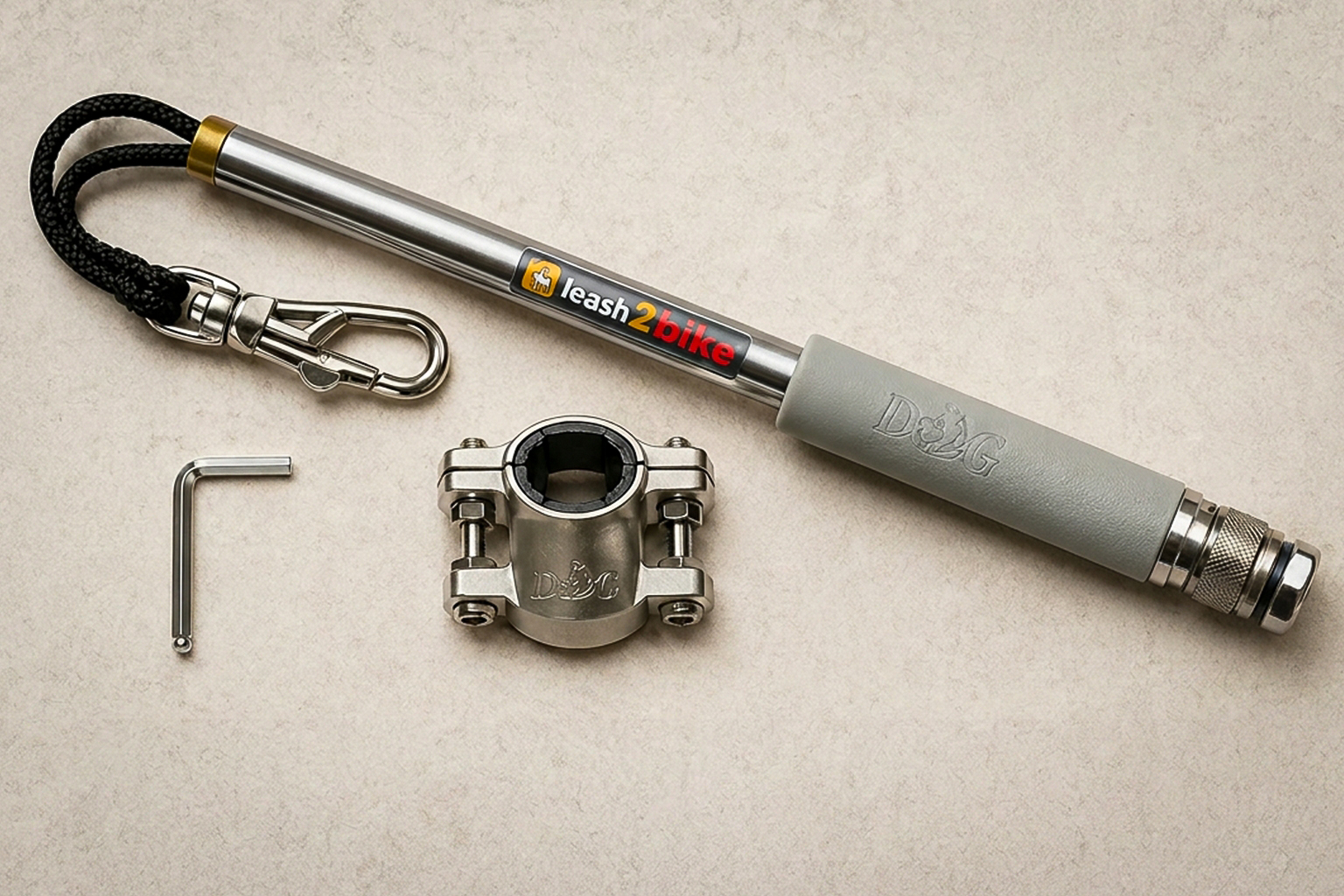
Walky Dog Plus Dog Exerciser
Best Overall. A proven dedicated bike-dog system that makes the most sense for owners who want a stronger balance of control, side positioning, and realistic use with larger dogs.
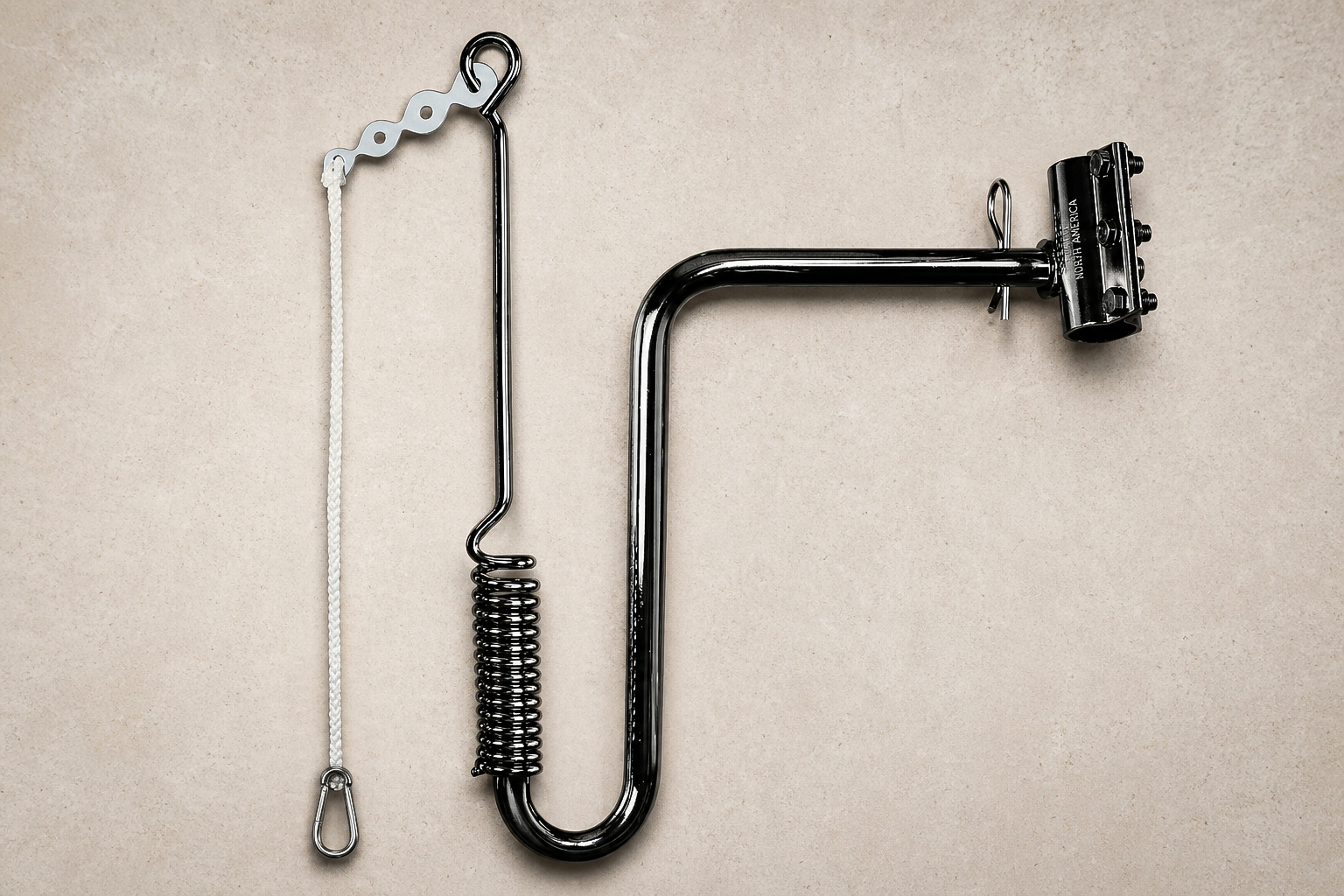
Springer Dog Exerciser
Best Premium Pick. A well-known bike-running system for buyers who want a more established, purpose-built setup rather than a generic attachment.
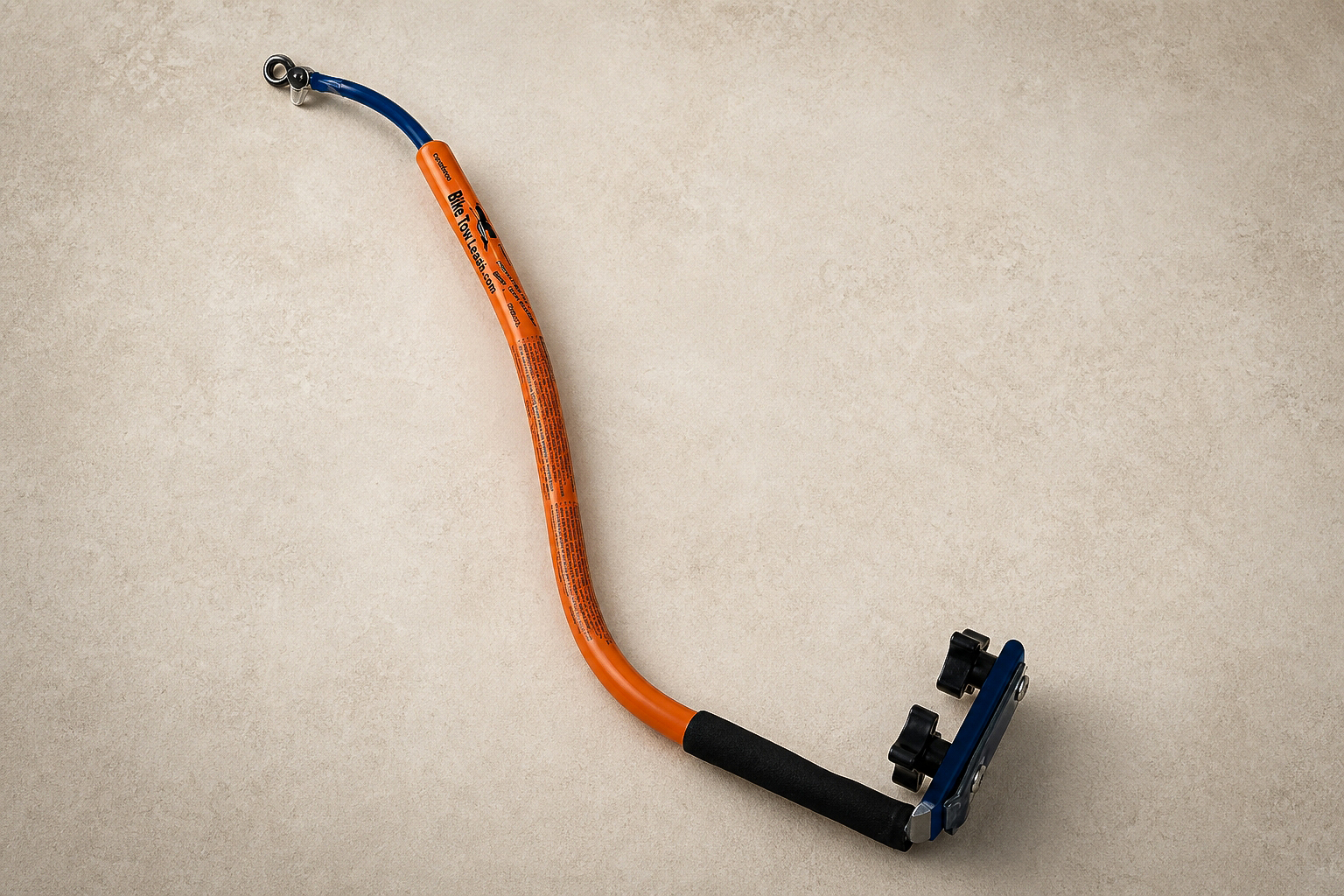
Bike Tow Leash
Best for Stability. A stronger choice when the main priority is bike-side steadiness and a more serious heavy-duty feel for larger dogs with real pull.
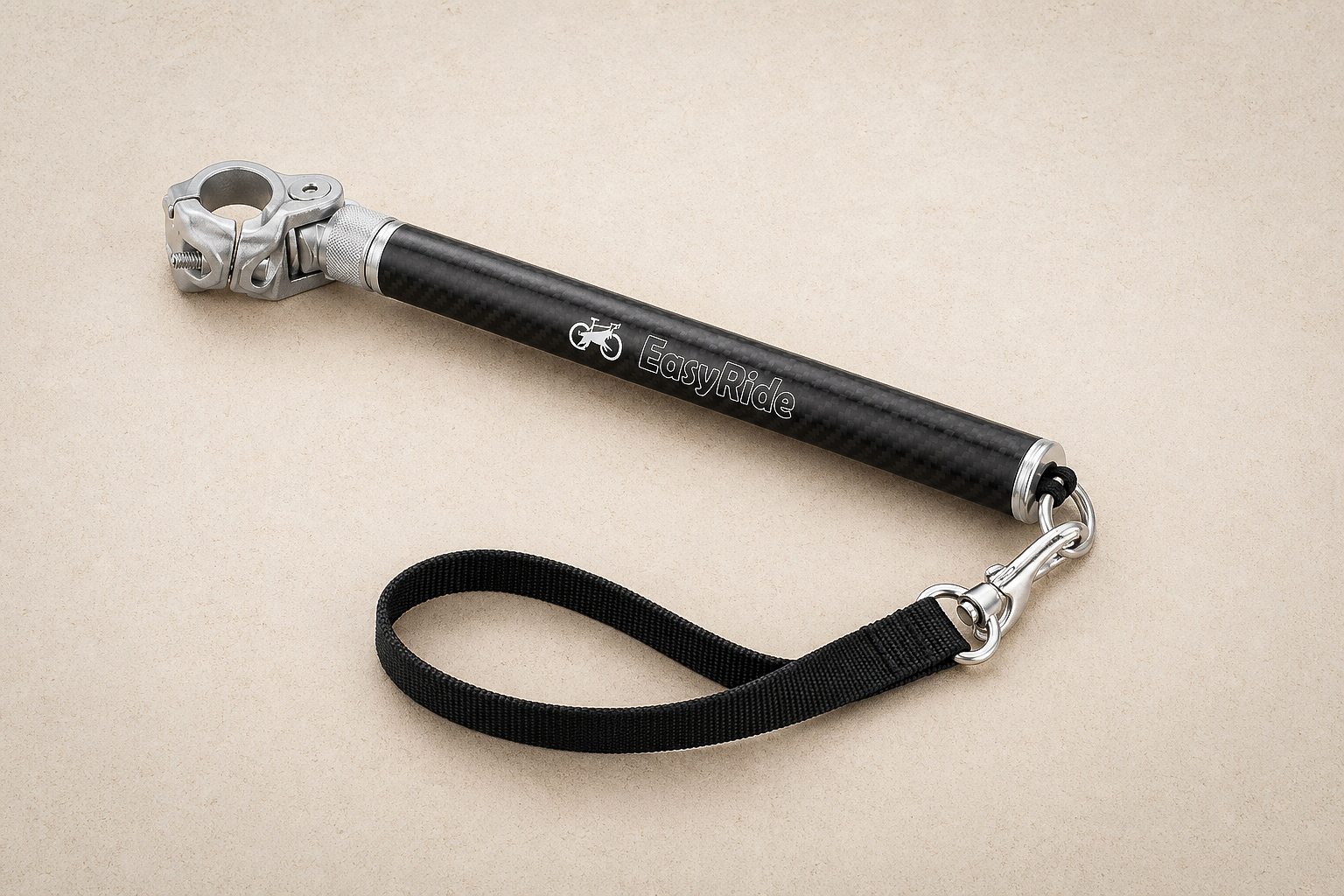
MALABI V2.0 Dog Bike Leash
Best Modern Mainstream Pick. A practical option for buyers who want a current, accessible system without jumping straight to the page’s more established legacy picks.
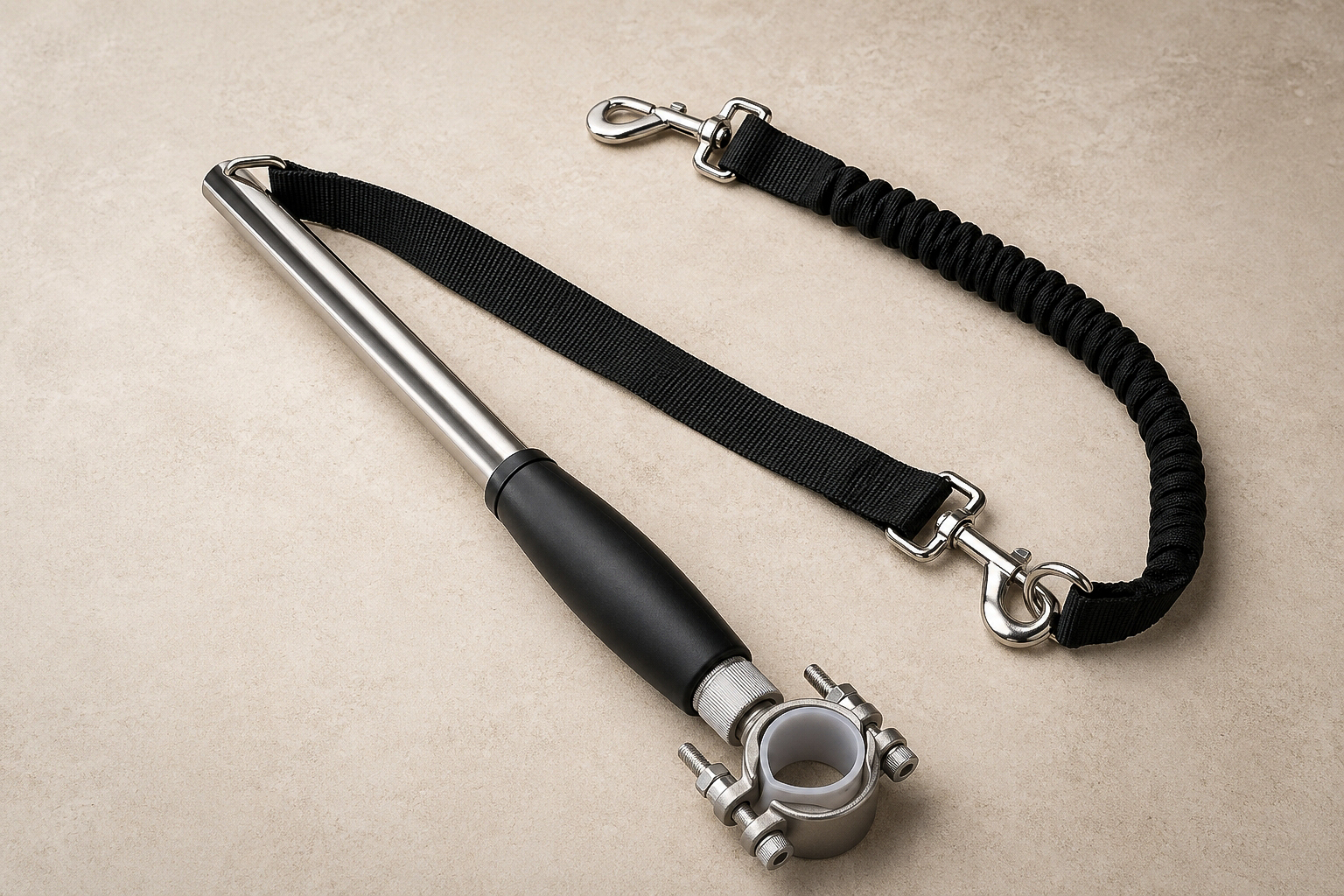
Pietenjoy Hands Free Dog Bike Leash
Best Budget Pick. A lower-cost starting point for buyers who want a more accessible entry into the category while still choosing a dedicated bike-use product.
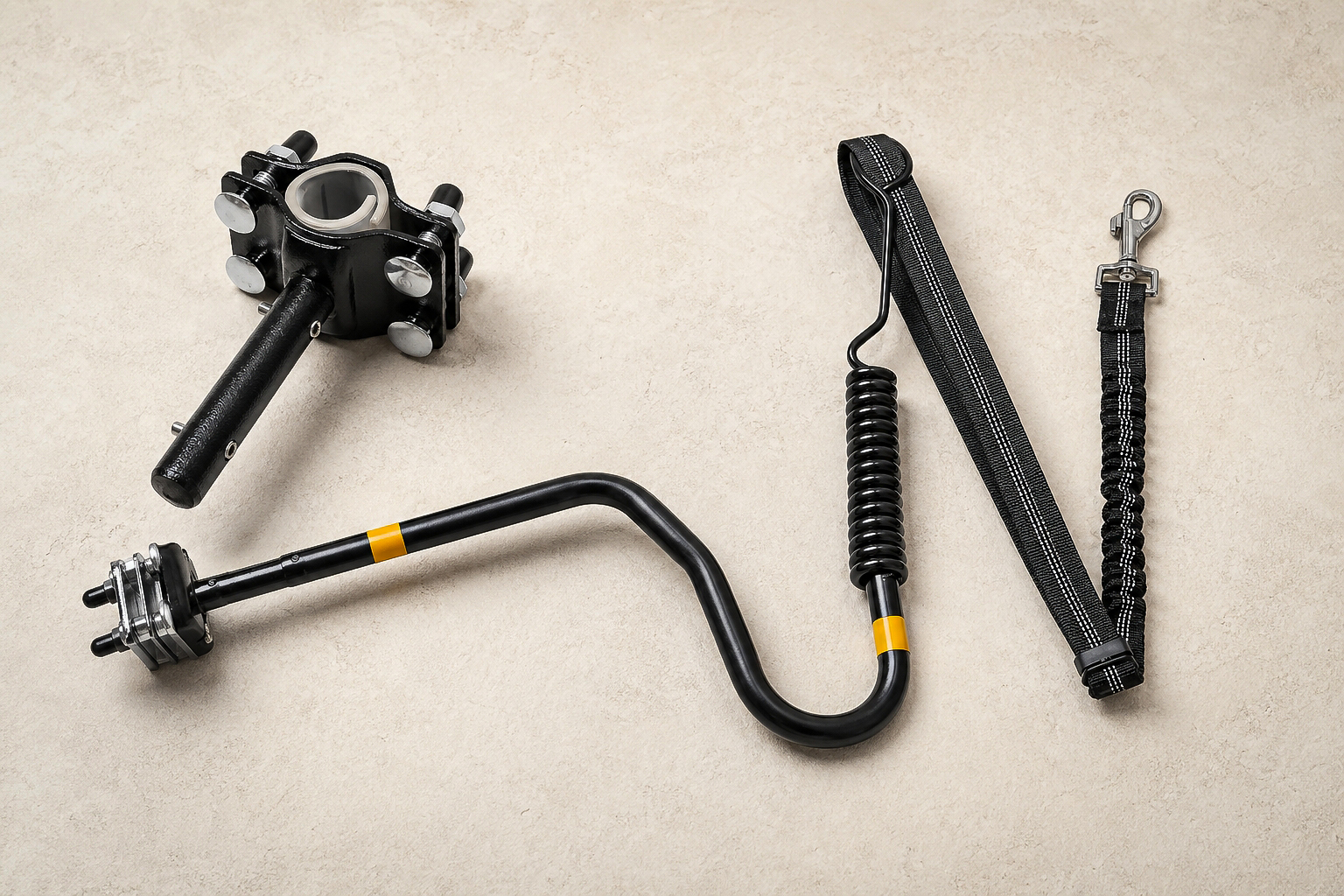
Dog Bike Leash Attachment for Dog Exercising
Best Simple Entry Pick. A simpler attachment-style option for buyers who want to keep the decision more basic and less premium than the better-known systems.
Quick Comparison Matrix
| Product | Best For | System Type | Large-Dog Confidence | Stability Feel | Shock / Pull Management | Ease of Setup | Main Strength | Amazon |
|---|---|---|---|---|---|---|---|---|
| Walky Dog Plus Dog Exerciser | Most large dogs | Dedicated bike attachment | High | High | Strong | Moderate | Best overall side-by-side control | View |
| Springer Dog Exerciser | Buyers wanting an established system | Premium bike-running system | High | High | Strong | Moderate | Established purpose-built design | View |
| Bike Tow Leash | Strong pull and steadier tracking | Heavy-duty bike attachment | Very high | Very high | Strong to very strong | Moderate | Excellent stability for bigger dogs | View |
| MALABI V2.0 Dog Bike Leash | Modern mainstream buying choice | Bike attachment system | Moderate to high | Moderate to high | Moderate | Moderate to easy | Accessible modern system choice | View |
| Pietenjoy Hands Free Dog Bike Leash | Budget-conscious buyers | Entry bike leash system | Moderate | Moderate | Basic to moderate | Easy to moderate | Budget-friendly category entry | View |
| Dog Bike Leash Attachment for Dog Exercising | Simple lower-commitment entry | Basic bike attachment | Moderate | Moderate | Basic | Easy | Simple accessible attachment route | View |
How We Picked These Dog Bike Leashes for Large Dogs
1. Large-dog control came first
We did not treat this as a normal leash category. The first filter was whether the system looked believable for larger dogs that can create real side force, stronger pull, and bigger handling mistakes when the bike setup is weak.
2. Dedicated bike use mattered more than generic leash ideas
Large dogs need more than a hands-free strap marketed for walking. This page leans toward systems that are clearly intended for bike-side running, not products that only resemble the category from a distance.
3. Stability and predictability mattered more than clever features
For bigger dogs, predictable side positioning and steadier pull handling matter more than novelty. The better systems are the ones that look like they can reduce chaos, not just add accessories.
4. Safe bestseller bias
The goal is not obscure cycling gadgets. The page favors mainstream, conversion-friendly options that make more sense for buyers who want plausible trust, established use cases, and a cleaner path to purchase.
5. Different roles, not six clones
Instead of listing six similar attachments with minor wording differences, this page separates meaningful buyer situations: overall control, premium established system, higher stability, modern mainstream access, budget value, and simple entry-level attachment.
6. Real-world usability mattered
Bike leash systems only help if owners can actually set them up, trust them, and use them repeatedly. Setup complexity, everyday handling, and realistic control confidence all mattered in the selection.
Best Dog Bike Leash for Large Dogs Options Explained
Walky Dog Plus Dog Exerciser
This is the strongest all-around starting point for most owners because it feels like a true bike-dog system rather than a simple leash adaptation. That matters a lot with large dogs. Bigger dogs do not just add weight. They add real side pressure, more abrupt movement, and a greater need for stable tracking beside the bike.
The Walky Dog earns the top spot because it aligns well with the actual category problem: helping a larger dog run beside a bicycle in a more controlled and predictable way. It makes the most sense for owners who want one strong answer instead of chasing the cheapest possible attachment.
It is also a better fit when you want something that feels purpose-built from the start, not something that looks like it might work if everything goes perfectly.
- Best overall balance for most large dogs
- More purpose-built than a generic leash workaround
- Good for stronger control and side-by-side running
- Better for owners who want a serious system
Springer Dog Exerciser
This is the premium established pick for buyers who want a better-known, dedicated bike-running solution and feel more comfortable trusting a long-standing purpose-built system than a newer generic attachment. It carries a stronger “buy once, buy the real thing” kind of appeal.
That does not automatically make it right for everyone, but it does make it especially logical for owners who value system credibility, clearer bike-running intent, and a more premium-feeling category anchor.
It is the better fit when you care less about finding the cheapest workable option and more about choosing a product that feels like a known reference point in this niche.
- Best premium pick
- More established than many generic competitors
- Strong category credibility angle
- Good for buyers who want a known bike-running system
Bike Tow Leash
This is the stronger choice when stability is the main priority and you want a system that feels especially believable for bigger dogs with real pull. Large dogs can destabilize a bike fast when the setup feels weak, vague, or too dependent on perfect behavior.
That is why this product has a distinct role on the page. It is not here because it is trendy. It is here because it fits the buyer who wants a more heavy-duty stability angle than some of the lighter or more budget-accessible picks offer.
It makes the most sense for owners who care strongly about steadier tracking, stronger bike-side confidence, and a system that feels built for more serious large-dog exercise.
- Best for stability
- Better for stronger large-dog pull management
- Useful when steadier side positioning matters most
- Good for buyers prioritizing a heavy-duty feel
MALABI V2.0 Dog Bike Leash
This is the page’s modern mainstream pick. It makes sense for buyers who want a more current-feeling, accessible system without going straight to the most established legacy names in the category. That gives it a useful middle-ground role.
It is especially appealing if you want something that still feels purpose-led for bike use, but you are not automatically trying to spend for the most premium reputation on the page. In other words, it is a practical “current buyer” answer.
It fits best when you want a capable, modern-feeling system that sits between the more budget-accessible picks and the more entrenched category leaders.
- Best modern mainstream pick
- Good middle-ground system choice
- More current-feeling than older legacy options
- Useful for buyers wanting access without going ultra-budget
Pietenjoy Hands Free Dog Bike Leash
This is the budget pick for buyers who want a more accessible entry into the category and are not ready to commit to the stronger premium systems first. That role matters because not every buyer wants the most established or most serious setup as their first purchase.
The value here is not that it outclasses the page’s top systems. The value is that it gives price-sensitive buyers a clearer starting point while still staying inside the actual bike-use category.
It makes the most sense for owners who want to spend less initially, keep the purchase simpler, and still avoid dropping straight into a completely unrelated leash solution.
- Best budget pick
- Lower-cost way to enter the category
- Good for buyers not ready for a premium system
- More practical than a normal leash workaround
Dog Bike Leash Attachment for Dog Exercising
This is the simpler entry-level attachment for buyers who want to keep the decision more basic and less premium. It does not try to be the page’s most confidence-inspiring heavy-duty system. Instead, it serves the buyer who wants a simpler product role and a lower-commitment start.
That makes it useful as a comparison anchor. Some buyers do not want a premium legacy system or a stability-first heavy-duty setup. They want something more straightforward, easier to approach, and easier to explain to themselves before buying.
It makes the most sense when you want a simpler attachment route and are realistic that the page’s stronger picks exist for buyers with higher control demands.
- Best simple entry pick
- Lower-commitment attachment choice
- Useful for buyers wanting a basic category start
- Better as a simple route than a premium alternative
Best for Specific Dog Bike Leash Situations
Best for Most Large Dogs
If you want one strong place to start without over-optimizing for a niche angle, the Walky Dog Plus is the cleanest overall answer on this page.
Best fit to start with: Walky Dog Plus Dog Exerciser
Best for Buyers Who Want an Established Premium System
If you care more about choosing a category veteran than saving money, the Springer system is the stronger premium direction.
Best fit to start with: Springer Dog Exerciser
Best for Stronger Large Dogs That Need More Stability
If your large dog has real pull and you care most about steadiness and bike-side confidence, the Bike Tow Leash is the better place to begin.
Best fit to start with: Bike Tow Leash
Best for a Modern Mainstream Option
If you want something current and more accessible without defaulting to the oldest legacy picks, MALABI is the cleaner middle-ground choice.
Best fit to start with: MALABI V2.0 Dog Bike Leash
Best for Budget-Conscious Buyers
If you want a lower-cost entry into the bike leash category and do not want to spend immediately on a more established system, the Pietenjoy pick makes more sense.
Best fit to start with: Pietenjoy Hands Free Dog Bike Leash
Best for a Basic Lower-Commitment Start
If you want a simpler attachment-style approach and are not aiming for the page’s most premium or most stability-led option, the basic attachment pick is the easier entry.
Best fit to start with: Dog Bike Leash Attachment for Dog Exercising
Best for Owners Who Want One Stronger Long-Term Choice
If you would rather buy one better bike-running system than cycle through weaker options, the Walky Dog Plus remains the strongest overall long-term starting point.
Best fit to start with: Walky Dog Plus Dog Exerciser
Best for Bigger Dogs With More Side Pull
If your main concern is that the dog can materially influence the bike when it surges or drifts, the Bike Tow Leash is the stronger stability-first answer.
Best fit to start with: Bike Tow Leash
What Actually Matters Most in a Dog Bike Leash for Large Dogs
Large dogs change the whole safety equation
A small dog tug is one thing. A large dog suddenly pulling sideways at bike speed is something else entirely. Bigger dogs make weak systems fail faster.
Dedicated bike systems usually make more sense than leash improvisation
A purpose-built side attachment is generally more believable for large-dog bike exercise than trying to adapt a normal leash setup.
Stability matters more than raw leash length
The goal is not to give the dog freedom to wander around the bike. The goal is steadier, more predictable running beside the bike.
Pull management is not optional with larger dogs
Sudden surges, lane drift, distractions, and speed changes are all harder to manage when the dog is strong enough to influence the bicycle significantly.
Bike-side position matters
The best systems help keep the dog in a more consistent position beside the bike instead of allowing constant crossing, lagging, or cutting inward.
Your dog’s behavior matters more than the product description
Even a good bike leash system is a bad match for a dog that is highly reactive, poorly controlled, or not ready for bike-running work.
Ease of setup affects real-world use
A system can sound great, but if it is annoying to mount or awkward to use consistently, owners are less likely to keep using it correctly.
Heavy-duty feel matters more as dog size increases
Large dogs expose weak connectors, vague mounts, and low-confidence construction much faster than smaller dogs do.
This category is not about maximum speed
The point is controlled exercise, not turning a dog into a tow engine. Safer rhythm and predictability matter much more than going faster.
Running style matters
Some large dogs track steadily beside a bike. Others surge, sniff-drift, or react suddenly. The right system depends partly on how your dog actually moves.
Buyer confidence matters too
If the system looks flimsy or unclear, many owners will never fully trust it. That often means it gets underused or abandoned.
Large-dog bike exercise needs more judgment than normal walking
Product choice matters, but so do dog training, route choice, pace, surface, and general control. The gear should support a good setup, not replace one.
Common Mistakes When Buying a Dog Bike Leash for a Large Dog
Treating a bike leash like a normal leash accessory
With large dogs, the product has to manage real bike-side force. This is not just a walking leash with a different marketing angle.
Buying the cheapest option and expecting premium stability
Budget options can work for some buyers, but they are not automatically the best answer for strong large dogs that create more pull and more risk.
Ignoring the dog’s actual bike-running behavior
A dog that lunges, reacts hard, or does not hold position well may not be ready for this category yet, regardless of product quality.
Overvaluing novelty features
Shock ideas, extra parts, and marketing language matter less than whether the system feels stable, predictable, and believable for a big dog.
Choosing generic attachments over purpose-built systems without thinking it through
A simple attachment may look cheaper and easier, but larger dogs often benefit more from a stronger dedicated bike-running setup.
Confusing “works with a bike” with “good for large dogs”
Some products technically attach to a bicycle but still do not inspire much confidence once a bigger dog is involved.
Ignoring side stability
Many buyers think only about pull, but side drift and sudden lateral movement are often the bigger issue during bike use.
Buying before being honest about your route and pace
Quiet paths, neighborhood streets, stop-heavy routes, and more open runs all create different demands. The best gear depends on real use.
Assuming a bigger dog automatically needs the most extreme system
Some large dogs are calm and steady. Others are much harder to bike with. The right choice depends on control level, not size alone.
Buying a system the owner will not actually set up correctly
Even a stronger product loses value if it is too annoying to install, adjust, or use consistently.
Treating bike-running as a substitute for leash training
The best system in the world does not fix a dog that has not learned enough impulse control or side-by-side handling first.
Choosing based on hype instead of confidence
What matters most is whether the system looks genuinely believable for your dog, your bike, and your real riding routine.
Frequently Asked Questions
What is the best dog bike leash for large dogs overall?
For most owners, the best overall choice is a dedicated bike-mounted system that feels stable, handles side pull better, and offers more predictable control than a normal leash workaround.
Are dog bike leashes safe for large dogs?
They can be, but the setup has to fit the dog, the product, and the dog’s actual training level. Large dogs need stronger control and more believable bike-side stability than smaller dogs do.
Is a regular leash okay for biking with a large dog?
Usually not the best idea. A dedicated bike leash system is generally a more practical and safer starting point for large dogs than a normal handheld leash.
What matters most in a bike leash for a big dog?
Stability, side positioning, pull management, hardware confidence, and whether the system feels believable for real large-dog force and movement.
Is a more expensive bike leash always better?
Not automatically, but stronger established systems often make more sense when the dog is large, powerful, or less predictable during bike-side exercise.
Can I use a bike leash with a dog that pulls hard?
Sometimes, but the stronger the pulling behavior, the more you should prioritize stability and control-oriented systems rather than a basic budget attachment.
Do large dogs need a special bike leash?
In practice, yes. Larger dogs often need stronger, more stable systems than smaller dogs because they create more side force and can affect the bike much more.
What kind of large dog is best suited for bike leashes?
The best fit is usually a dog that can run steadily beside the bike, respond to direction, and avoid reactive or chaotic movement during exercise.