
Best Slow Feeder Bowl
A slow feeder bowl sounds like a simple fix, but this category gets messy fast once you actually start comparing products. Some bowls genuinely slow eating in a useful way, some only add a little texture without changing much, and some look clever but become annoying to clean or too small for the dog they are supposed to help. That is why this page does not treat every slow feeder as the same product with a different color.
The goal here is practical buying help for real feeding routines. Some owners want the safest overall starting point, some want a cleaner non-slip option, some need a bowl that makes more sense for small dogs, and some care more about material choice like ceramic or stainless steel. This guide focuses on everyday usability, realistic slow-down effect, size logic, cleaning, and why one type of bowl may fit your dog better than another.
Top Picks for Slow Feeder Bowls
These six options cover the main buying situations that matter most in this category: best overall, best budget pick, best for large dogs, best for small dogs, best premium material choice, and best stainless steel option for buyers who want a different bowl feel than standard plastic.
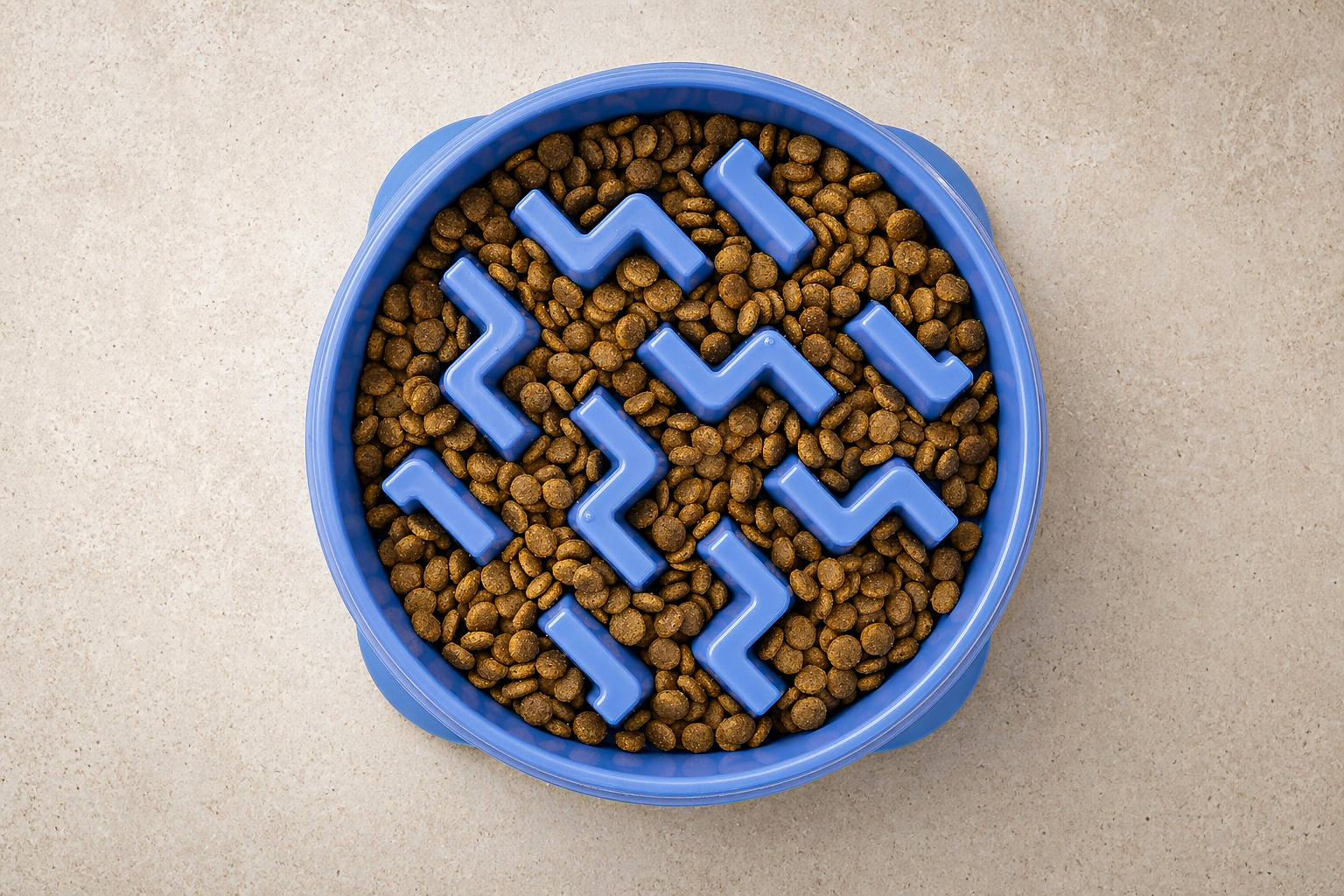
Outward Hound Fun Feeder Slo Bowl
Best Overall. A proven mainstream slow feeder with a real maze design, practical everyday usability, and the kind of all-around balance that makes sense for most owners starting in this category.
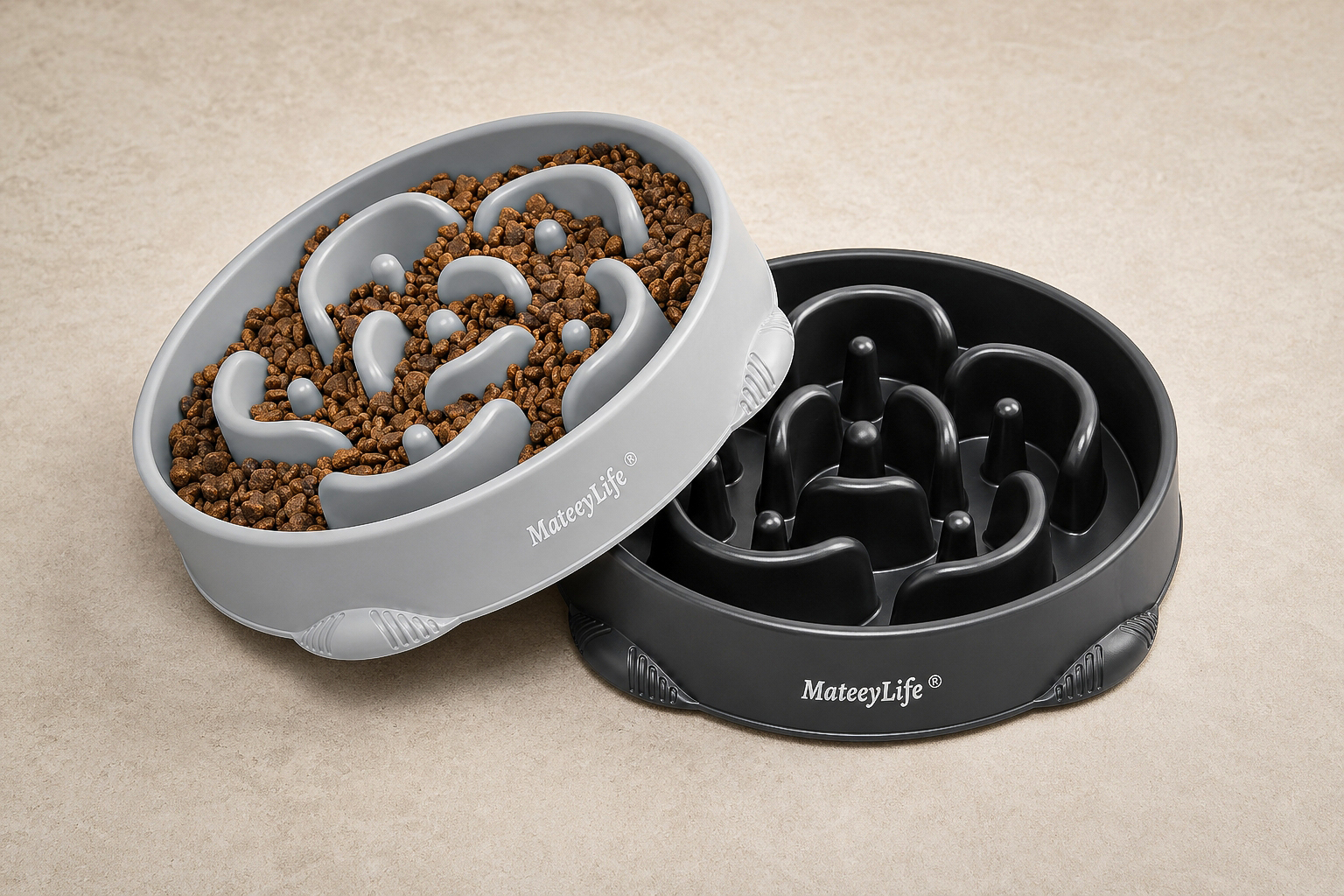
MateeyLife Slow Feeder Bowl
Best Budget Pick. A strong value option for buyers who want the core slow-feeding benefit without paying up for ceramic or specialty material upgrades.
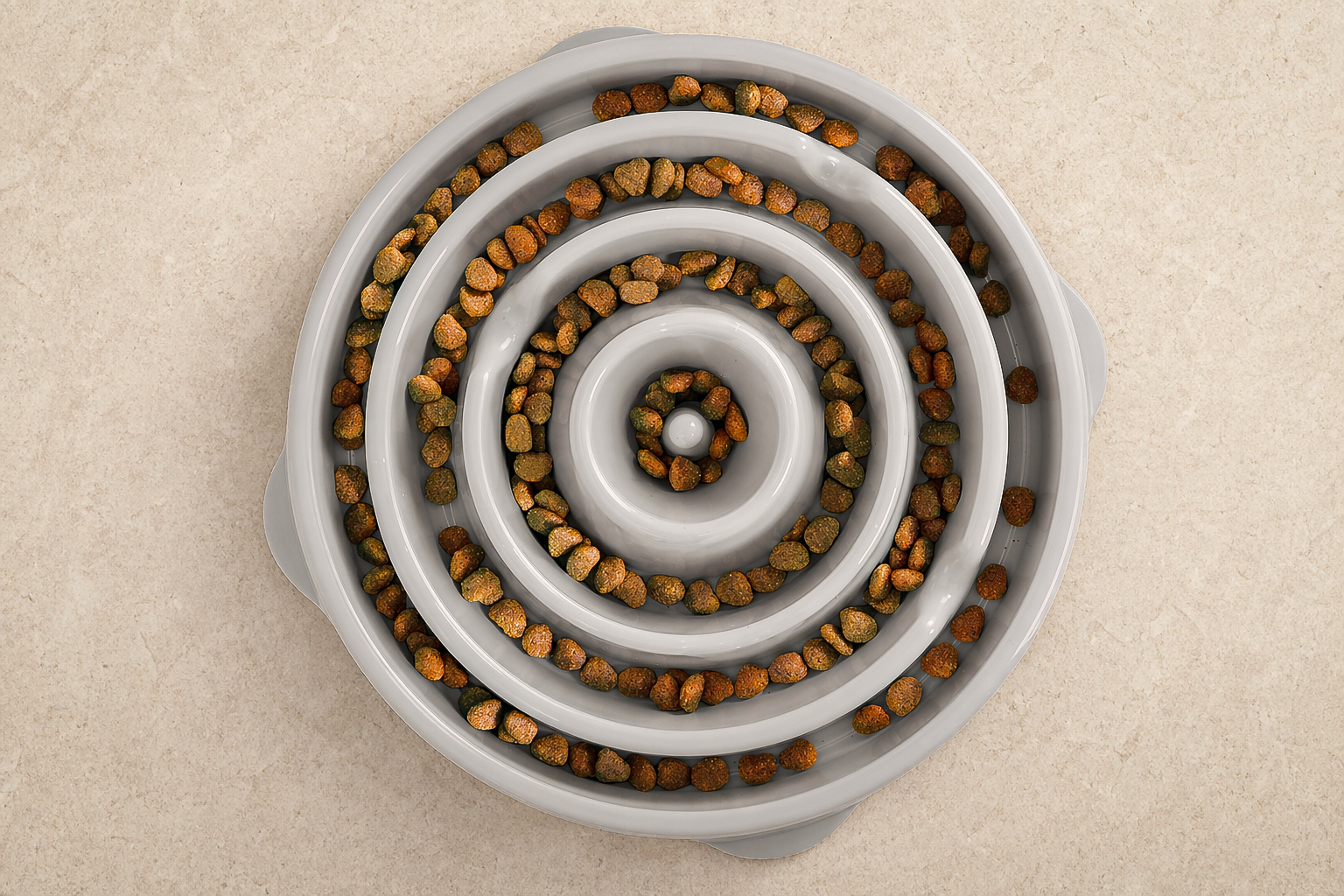
Outward Hound Slo Bowl
Best for Large Dogs. A stronger pick when you want a roomier mainstream slow feeder pattern that makes more sense for bigger portions and stronger fast-eating habits.
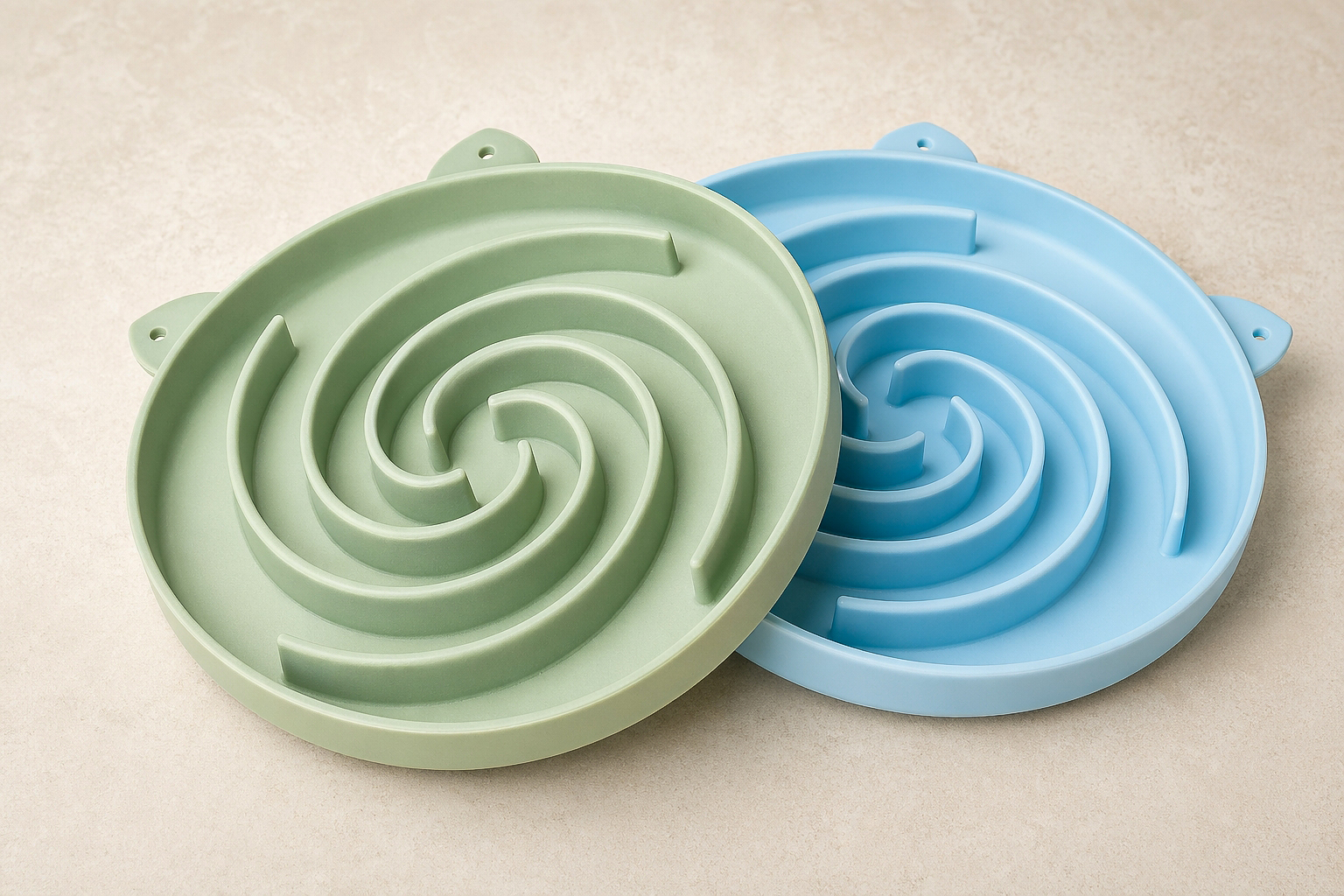
Bifeaw Silicone Slow Feeder Bowl
Best for Small Dogs. A softer, grippier silicone format that makes more sense for smaller dogs, lighter portions, and owners who want a bowl that stays put more easily.
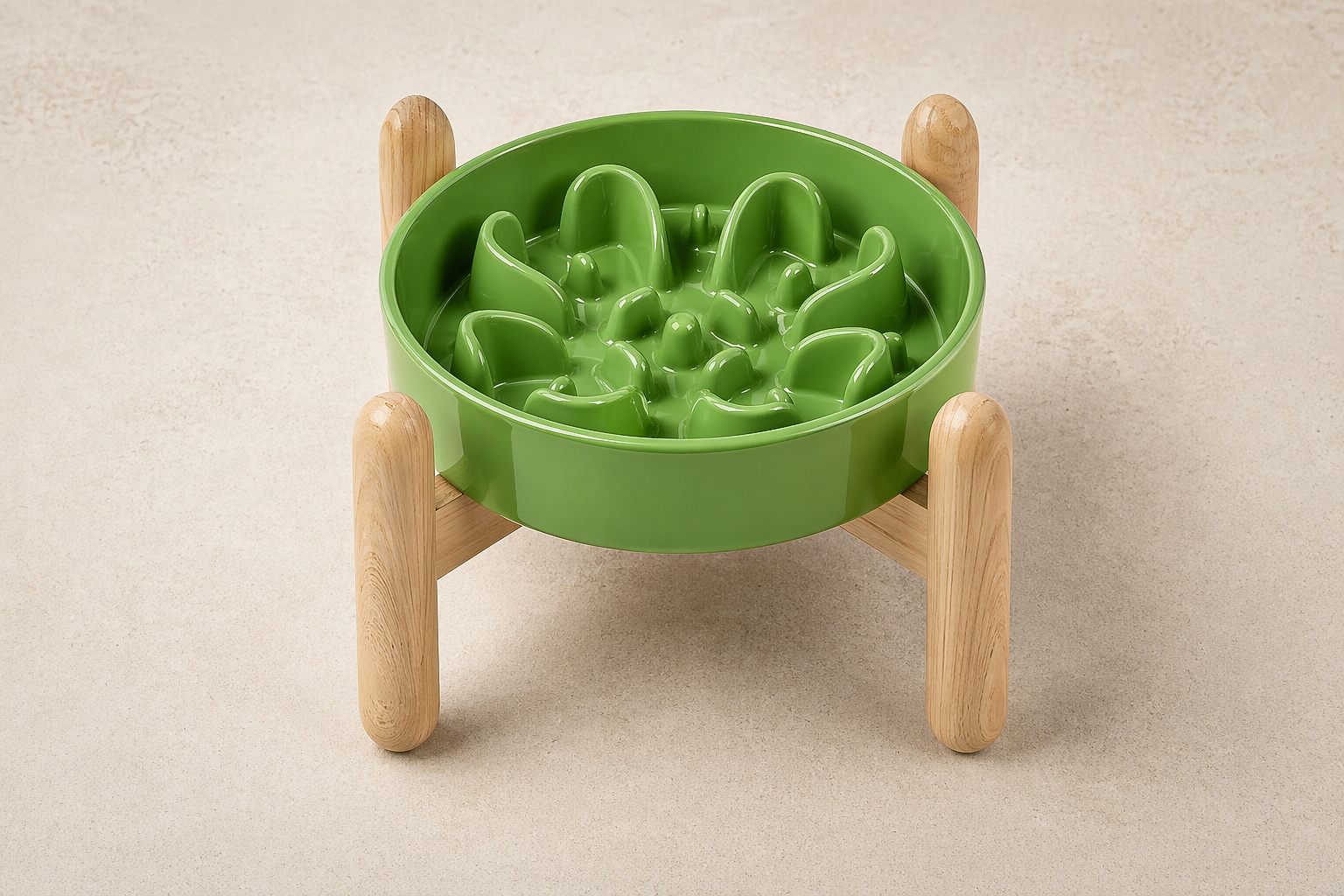
TAUCI Ceramic Slow Feeder Bowl
Best Premium Pick. A heavier ceramic option for buyers who want a more premium kitchen-friendly look, a sturdier bowl feel, and less of the light-plastic feeding experience.
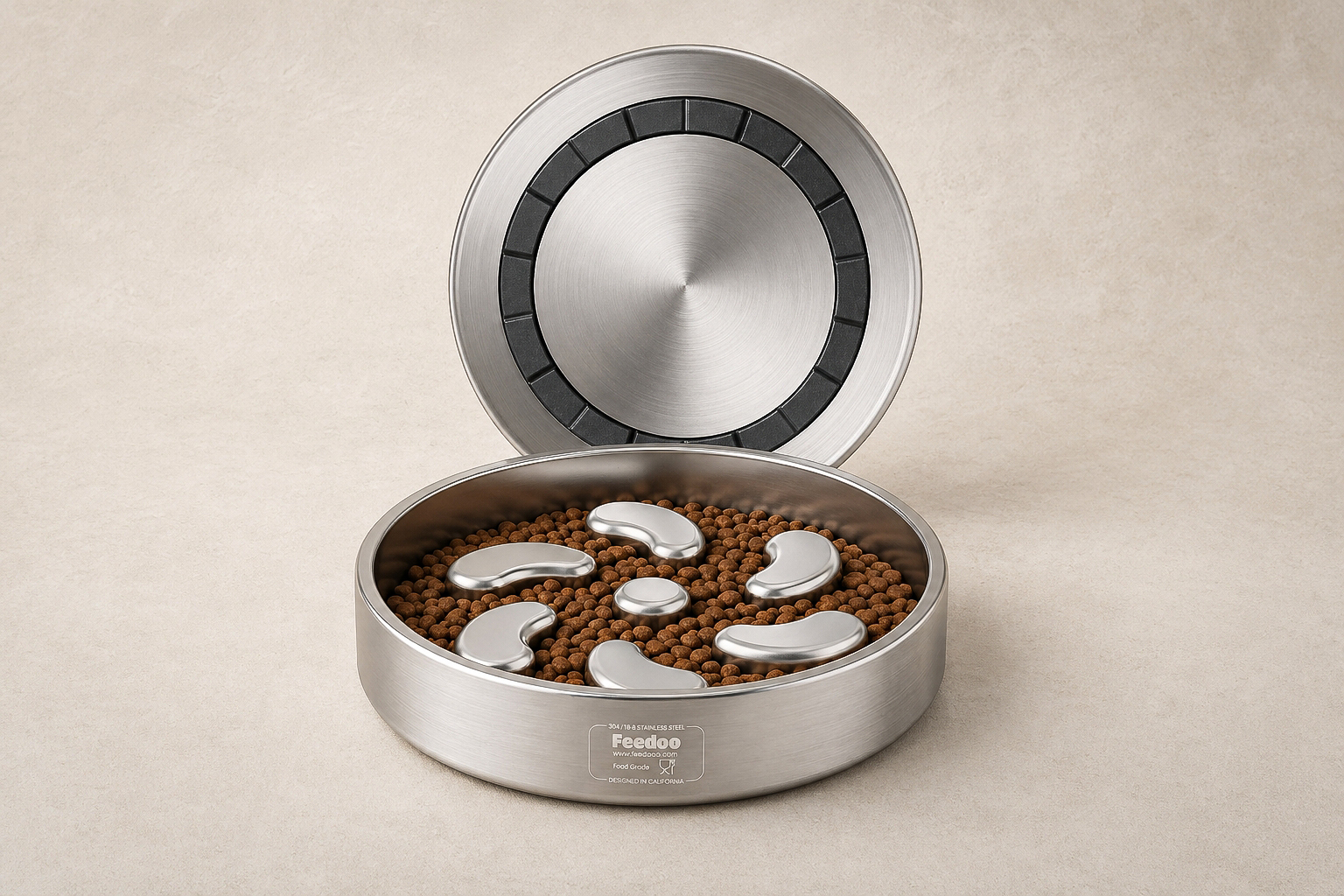
Feedoo Stainless Steel Slow Feeder Bowl
Best Stainless Steel Option. A better fit for owners who specifically want a stainless steel bowl feel instead of standard plastic, while still getting a slow-feeding layout.
Quick Comparison Matrix
| Product | Best For | Material | Slow-Down Effect | Stability / Grip | Cleaning Practicality | Portion / Size Fit | Main Strength | Amazon |
|---|---|---|---|---|---|---|---|---|
| Outward Hound Fun Feeder Slo Bowl | Most owners | Plastic | High for typical fast eaters | Good mainstream stability | Moderate to easy | Wide general fit | Best overall balance | View |
| MateeyLife Slow Feeder Bowl | Budget-minded buyers | Plastic | Moderate to high | Good | Moderate | General everyday sizes | Good value starting point | View |
| Outward Hound Slo Bowl | Larger dogs and larger meals | Plastic | High | Good | Moderate | Better for bigger portions | Stronger large-dog fit | View |
| Bifeaw Silicone Slow Feeder Bowl | Small dogs and stronger grip | Silicone | Moderate | High non-slip feel | Easy | Better for lighter meals | Soft grippy feeding setup | View |
| TAUCI Ceramic Slow Feeder Bowl | Buyers wanting ceramic | Ceramic | Moderate | High due to weight | Easy, but heavier handling | General use | Premium look and bowl feel | View |
| Feedoo Stainless Steel Slow Feeder Bowl | Buyers wanting stainless steel | Stainless steel | Moderate | Good | Easy | General use | Different material preference | View |
How We Picked These Slow Feeder Bowls
1. Use-case fit came first
We did not assume every fast eater needs the same bowl. The first filter was whether the bowl solved a real buying problem: best overall everyday use, better value, better large-dog fit, smaller-dog practicality, stronger grip, or material preference.
2. Safe bestseller bias
This page leans toward mainstream, trust-friendly products that make conversion sense for a broad audience, not random novelty bowls with weak buyer confidence.
3. Different bowl roles, not six clones
Instead of listing six very similar plastic maze bowls, the page separates real buyer needs: overall balance, value, large-dog use, small-dog use, ceramic preference, and stainless steel preference.
4. Everyday practicality mattered
Slow-down effect matters, but so do cleaning, bowl stability, portion fit, and how annoying the bowl becomes after repeated daily use.
Best Slow Feeder Bowl Options Explained
Outward Hound Fun Feeder Slo Bowl
This is the strongest all-around starting point for most buyers because it gets the main job right without overcomplicating the decision. It uses a real maze-style design instead of light decorative ridges, which gives it a more meaningful slow-down effect for dogs that inhale food too quickly. It is also one of the cleaner mainstream picks when you want a product that feels like a known category leader rather than an interchangeable marketplace clone.
It makes the most sense for owners who want one practical answer that covers everyday feeding well. If your main goal is simply to slow a greedy eater down without turning mealtime into a gimmick, this is the safest place to start. It is less ideal for buyers who specifically want ceramic, stainless steel, or a softer silicone bowl feel.
- Best overall everyday slow feeder
- Real maze design instead of weak texture-only shaping
- Strong starting point for a wide range of dogs
- Better for buyers who want proven mainstream usability
MateeyLife Slow Feeder Bowl
This is the value-first pick for owners who want the core slow-feeding benefit without paying more for a specialty material or heavier premium-style bowl. In practical terms, it covers the main reason people shop this category in the first place: helping fast eaters slow down without making the choice harder than it needs to be.
It makes sense when budget matters but you still want a product that looks like a real slow feeder instead of a barely modified bowl. It is the better fit for uncomplicated everyday use and cost-conscious buyers. It is not the most distinctive pick if your priority is premium kitchen aesthetics, softer silicone grip, or a heavier ceramic/stainless build.
- Best budget slow feeder bowl
- Strong value for everyday fast eaters
- Good fit when you want practical function first
- Better for buyers avoiding premium-material pricing
Outward Hound Slo Bowl
This is the stronger pick when large-dog use is part of the decision. Bigger dogs, bigger portions, and stronger food drive can expose the weaknesses of shallow or less serious slow-feeder layouts. A roomier mainstream bowl with a more substantial pattern makes more sense when the dog can otherwise clear a regular bowl in almost no time.
It earns its place because large-dog buying logic is different from small-dog bowl shopping. Owners feeding larger meals usually need more than a cute compact feeder with light ridges. This is not necessarily the first choice for tiny dogs or buyers who want softer silicone or premium ceramic feel, but it is a more logical start when meal size and fast-eating intensity run higher.
- Best for large dogs
- More sensible for larger portions
- Better fit for strong fast-eating habits
- Mainstream option with stronger large-dog logic
Bifeaw Silicone Slow Feeder Bowl
This is the stronger fit when bowl grip, softer material feel, and smaller-dog practicality matter more than buying the most generic plastic maze bowl on the page. Silicone changes the feeding experience a bit. It can feel gentler, often grips surfaces better, and makes sense for buyers who want a slightly different bowl behavior than hard plastic.
It works especially well as a smaller-dog starting point or for owners who get annoyed when lightweight bowls slide around too much. It is not the strongest answer for buyers who want the heaviest premium bowl feel or the largest large-dog portion capacity, but it fills an important everyday role that standard plastic bowls do not cover as cleanly.
- Best for small dogs
- Best non-slip style pick
- Softer silicone material feel
- Good for lighter meals and stronger countertop grip
TAUCI Ceramic Slow Feeder Bowl
This is the premium-style route for buyers who do not want the typical lightweight plastic bowl experience. Ceramic makes the bowl feel more substantial and kitchen-friendly, and the added weight can help it stay planted better during feeding. For some owners, that material difference is not minor. It changes the entire feel of the product.
It makes the most sense for people who specifically want ceramic, not just something labeled premium. That distinction matters. If all you care about is the cheapest functional slow feeder, this is not the obvious first move. But if you want a more elevated bowl feel with a heavier base and a nicer countertop presence, it earns a real place in the lineup.
- Best premium slow feeder pick
- Heavier bowl feel than standard plastic
- Cleaner fit for buyers who want ceramic specifically
- Useful when kitchen look and sturdier weight matter
Feedoo Stainless Steel Slow Feeder Bowl
This is the logical pick for buyers who want stainless steel specifically. That may sound niche, but it is a real material preference for some owners. Stainless steel feels different, looks different, and often fits better with feeding setups where buyers already prefer metal bowls over plastic.
It earns its place because material preference is a real buying filter in this category. Some buyers do not want ceramic weight and do not want the usual plastic feel either. This is not the most obvious one-size-fits-most answer, but it gives a cleaner route for owners who want a slow-feeding option without giving up the stainless bowl style they already prefer.
- Best stainless steel slow feeder bowl
- Useful for material-specific buyers
- Cleaner fit for metal-bowl preference
- Alternative to standard plastic-heavy category choices
Best for Specific Slow Feeder Bowl Situations
Best for Most Dogs
If you want the safest general starting point without overthinking material differences or niche preferences, the Outward Hound Fun Feeder is the cleanest choice for most feeding routines.
Best fit to start with: Outward Hound Fun Feeder Slo Bowl
Best for Budget-Conscious Buyers
If you mainly want a practical slow-feeding solution without paying more for premium bowl materials, the MateeyLife option is the cleaner value route.
Best fit to start with: MateeyLife Slow Feeder Bowl
Best for Large Dogs That Inhale Meals
If the dog eats larger portions fast and a smaller bowl shape feels too limited, the roomier Outward Hound Slo Bowl makes more sense than a compact feeder made for lighter meals.
Best fit to start with: Outward Hound Slo Bowl
Best for Smaller Dogs and Better Grip
If smaller portions, a softer bowl feel, and stronger non-slip behavior matter more, the silicone Bifeaw pick is a better match than a standard hard plastic bowl.
Best fit to start with: Bifeaw Silicone Slow Feeder Bowl
Best for Buyers Who Want Ceramic
If the usual plastic bowl style feels too basic and you want a heavier, more premium-looking feeding option, the TAUCI ceramic bowl is the clearest material-specific upgrade.
Best fit to start with: TAUCI Ceramic Slow Feeder Bowl
Best for Buyers Who Prefer Stainless Steel
If you already prefer metal dog bowls and want to keep that material preference while adding slow-feeding function, the Feedoo stainless steel option is the right place to start.
Best fit to start with: Feedoo Stainless Steel Slow Feeder Bowl
What Actually Matters Most in a Slow Feeder Bowl
A real maze matters more than clever marketing
Some bowls barely change eating speed because the internal pattern is too shallow or too simple. A proper slow feeder needs meaningful obstacles, not just decorative shaping.
Size fit changes everything
A bowl that works for a small dog can become frustrating or ineffective for a large dog eating a much bigger meal. Portion size and dog size both matter more than many buyers expect.
Material choice is not just cosmetic
Plastic, silicone, ceramic, and stainless steel all create different trade-offs in grip, weight, handling, and overall bowl feel. The best material depends on what kind of feeding experience you actually want.
Bowl stability matters every day
If the bowl slides too easily, the slow-feeding benefit becomes less practical. A stable bowl creates a cleaner feeding routine and usually feels less annoying over time.
Cleaning effort matters more than buyers think
Slow feeders naturally have more grooves and shapes than regular bowls. If the design is frustrating to rinse or scrub, that annoyance shows up every single day.
Not every fast eater needs the most extreme pattern
Some dogs need a strong maze effect, but others only need a moderate slow-down. The right bowl depends on how aggressively the dog eats, not just on which product looks most dramatic.
Small dogs and large dogs often need different bowl logic
It is not just about choosing a smaller or larger version. The entire feeding experience can change depending on bowl depth, spacing, and how easy the dog can navigate the design.
Mainstream trust is useful in this category
Slow feeder bowls are easy to copy, which means the market is full of similar-looking products. Cleaner mainstream picks often make more sense than gambling on weak unknown listings.
Common Mistakes When Buying a Slow Feeder Bowl
Buying a bowl that is too small
A bowl that cannot comfortably handle the dog’s normal meal size often becomes messy, frustrating, or less effective.
Assuming every maze pattern works the same
Some patterns genuinely slow eating, while others are only mildly different from a normal bowl.
Ignoring cleaning convenience
If the bowl is annoying to clean after every meal, the product can become a daily irritation no matter how good it looked online.
Treating material as irrelevant
Material affects bowl weight, grip, feel, and overall routine. Plastic, silicone, ceramic, and stainless steel do not behave the same way.
Picking the most aggressive design for every dog
Some dogs only need a moderate slow-down. An overly restrictive feeder can make meals more frustrating than helpful.
Choosing on looks alone
A bowl can photograph well and still be the wrong size, wrong material, or wrong pattern for your dog’s actual eating habits.
Overlooking bowl movement on hard floors
If the dog pushes bowls around during meals, grip and base stability should be part of the decision from the start.
Buying random clones instead of clear category leaders
This category has many similar-looking listings. Going with cleaner, more plausible options usually leads to a safer buying decision.
Frequently Asked Questions
What is the best slow feeder bowl for most dogs?
For most owners, the best starting point is a stable maze-style bowl with a real slow-feeding pattern, practical cleaning, and a size that matches the dog’s normal meal portions.
Do slow feeder bowls actually work?
Yes, when the bowl has a meaningful pattern that forces the dog to work around obstacles instead of clearing food in a few fast bites.
Are ceramic slow feeder bowls better than plastic?
Not automatically. Ceramic can feel heavier and more premium, while plastic often gives you more mainstream options and easier variety across sizes and patterns.
What type of slow feeder bowl is best for large dogs?
Large dogs usually do better with a roomier bowl that can handle bigger portions and still offer a meaningful maze layout.
How do I choose the right slow feeder bowl size?
Match the bowl to your dog’s usual meal size, not just the label on the product. The bowl should have enough room for normal portions without feeling cramped or overfilled.