Dog Feeding Gear for Better Mealtime Routines
Dog feeding gets easier when the setup matches the real mealtime problem you want to solve. This hub helps you compare slow feeder bowls, puppy bowls, elevated bowls, automatic feeders, water fountains, and other practical feeding gear based on needs like fast eating, bowl height, dog size, puppy feeding, hydration, and everyday routine.
Browse Dog Feeding Guides
Use these guides to compare the main types of dog feeding gear. The goal is not to push one universal setup, but to help you choose the right feeding tools based on dog size, eating speed, bowl position, hydration habits, puppy needs, and how much routine or convenience you want in daily care.

Best Slow Feeder Bowl
Compare slow feeder bowls designed to reduce fast eating, improve pacing, and create calmer mealtime routines.
Best Puppy Bowls
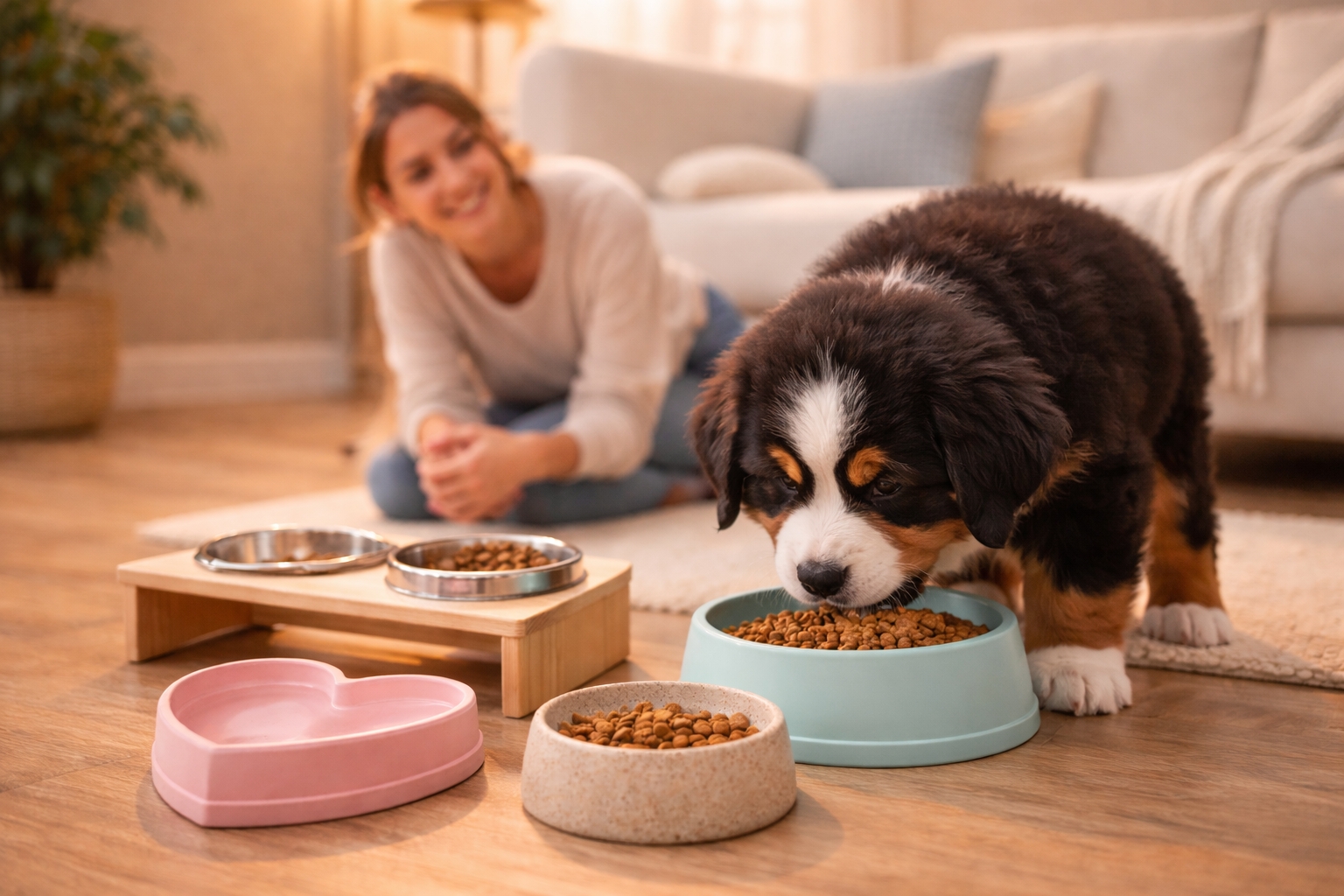
Explore puppy bowl options designed for smaller portions, easier mealtime setup, and better fit for early feeding routines.
Best Slow Feeder for Puppies
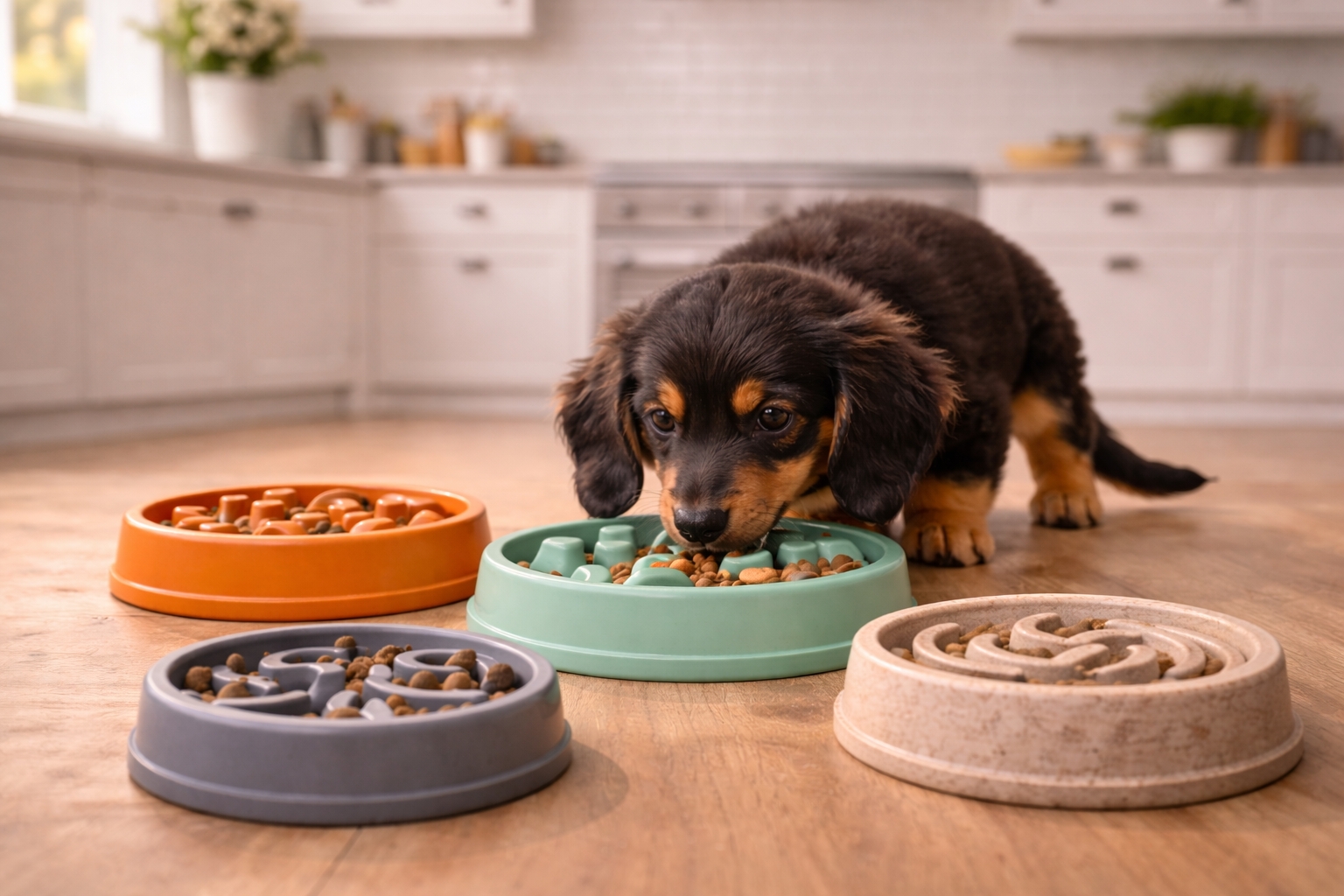
Compare slower puppy feeding options designed to improve pacing and make early mealtime routines calmer and easier to manage.

Best Elevated Dog Bowls
Explore raised bowl options that can improve comfort, bowl stability, and feeding position for everyday use.

Best Automatic Dog Feeder
Compare automatic feeders for owners who want more routine, better scheduling, and easier portion control.

Best Dog Water Fountain
Find water fountain options that help encourage drinking and make daily hydration more convenient.

Best Slow Feeder Bowl for Large Dogs
Explore slow feeder bowls designed to handle larger portions and bigger dogs more effectively.

Best Slow Feeder Bowl for Small Dogs
Compare feeder bowls better suited for smaller mouths, smaller portions, and lighter feeding setups.

Best Elevated Dog Bowls for Large Dogs
Find raised bowls designed for larger breeds that need better height, stronger construction, and more stability.

Slow Feeder vs Snuffle Mat
Compare two popular mealtime slow-down options and see which one fits better depending on your dog’s habits.

Why Dogs Eat Too Fast
Learn the common reasons behind fast eating and what feeding changes can help improve it.
Shop by Feeding Situation
Some owners already know what product they want, while others only know the feeding problem they need to solve. These shortcuts help you move faster into the most relevant dog feeding guides.
For Fast Eaters and Better Pacing
Start here if your biggest issue is rushed eating, messy meals, or a dog that finishes food too quickly.
Slow Feeder Bowl · Slow Feeder vs Snuffle Mat · Why Dogs Eat Too Fast
For Puppies
Puppy feeding usually needs simpler bowl sizing, calmer pacing, and a setup that fits early routines better.
For Small Dogs and Large Dogs
Bowl size, portion space, and feeding position can matter a lot more when dog size changes the setup.
Slow Feeders for Small Dogs · Slow Feeders for Large Dogs · Elevated Bowls for Large Dogs
For Better Bowl Height and Daily Comfort
Start here if your main focus is a cleaner setup, better bowl position, or a more comfortable feeding posture.
For More Routine and Scheduled Meals
Automatic feeders make more sense when consistency, timing, and easier daily structure matter most.
For Better Hydration and Cleaner Water Access
If drinking habits or fresher water feel like the bigger issue, this is the best place to begin.
For Small Dog and Large Dog Feeding Setups
If body size changes how bowls, feeders, and mealtime setup should work, use the focused size hubs for faster paths.
See the Bigger Dog Gear Picture
If feeding is only one part of what you need, use the broader hubs and planning pages to compare related categories faster.
How This Feeding Hub Works
This page is designed to help you narrow the right feeding setup faster. Start with the feeding problem you want to solve, then compare closely related options before deciding what best fits your dog, home, and mealtime routine.
For example, someone trying to slow down a fast eater may still need to compare bowl size, feeding style, puppy-stage fit, and whether a slow feeder or snuffle mat makes more sense in real daily use.