
Best Dog Ramp
A dog ramp sounds simple until you realize how different the real use cases are. Some dogs need a ramp for getting onto a couch or bed without repeated jumping. Some need a ramp for getting into an SUV. Some are older, stiff, recovering, or simply more comfortable with a lower-strain access path than stairs or a jump. The problem is that many ramp pages treat all ramps like one generic product, even though indoor furniture ramps and vehicle ramps often solve very different problems.
This page focuses on practical dog ramp picks for real everyday use: safer access, better traction, more realistic incline angles, easier storage, and better fit for common dog situations. The goal is not to push one generic answer, but to help you choose the type of ramp that actually makes sense for your dog, your home, your vehicle, and how the ramp will be used day after day.
Top Picks for Dog Ramps
These five options cover the main buying situations that usually matter most in this category: best overall indoor ramp, best adjustable couch or bed ramp, best lightweight car ramp, best telescoping ramp for higher vehicle entry, and best budget foldable option.
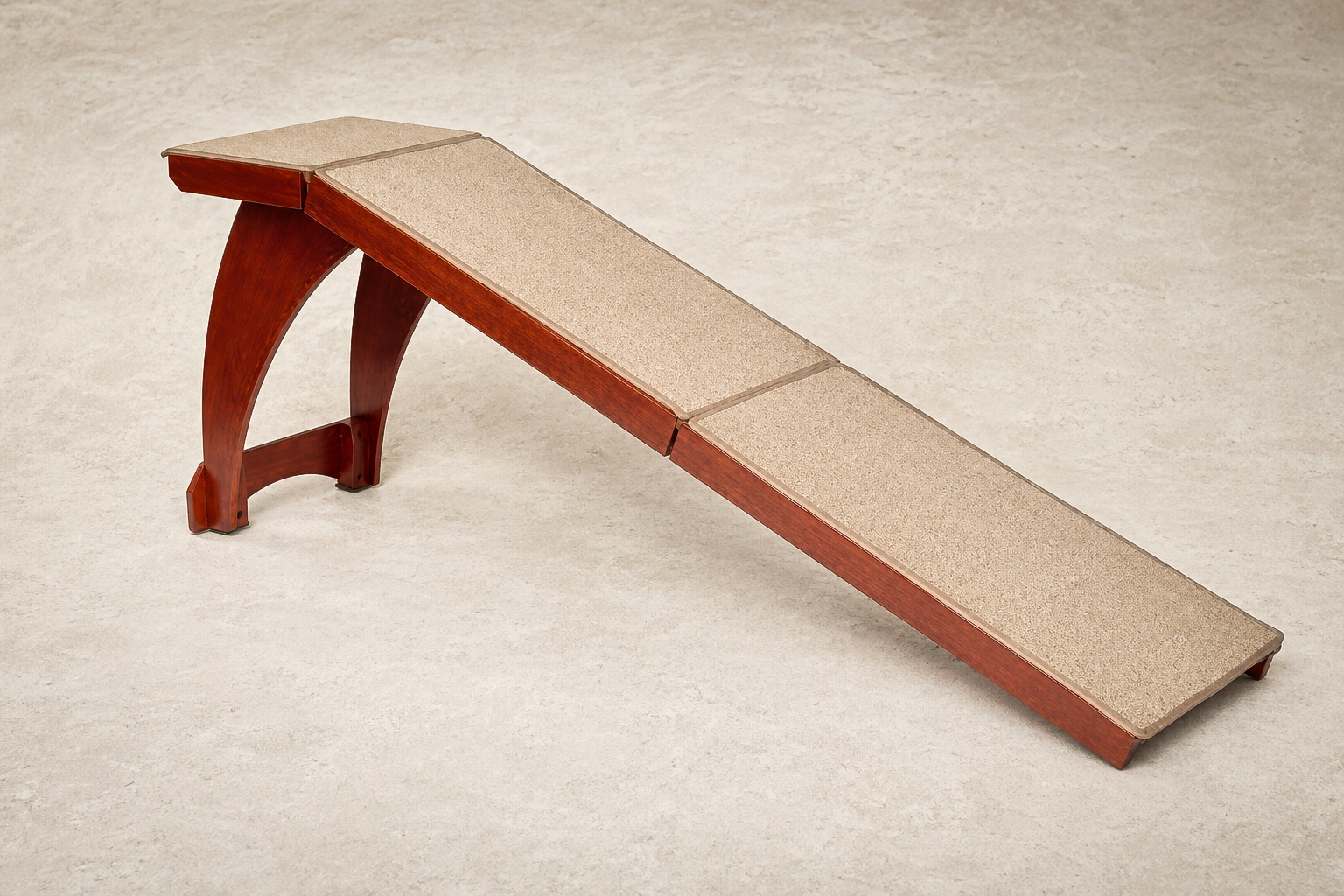
PetSafe CozyUp Ramp
Best Overall. A strong all-around indoor dog ramp with good mainstream trust, a furniture-friendly role, and the kind of stable access logic that makes sense for everyday couch and bed use.
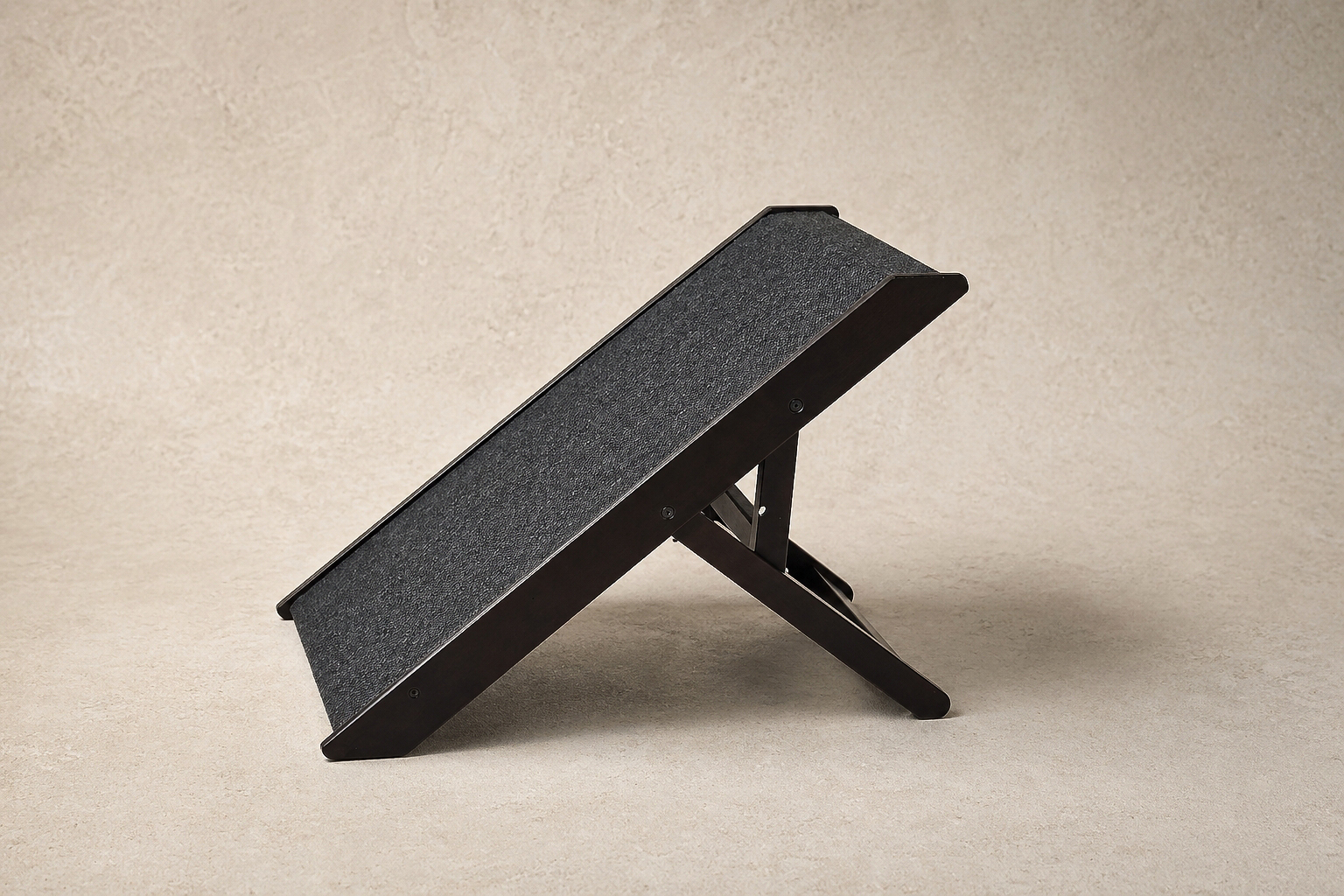
Foldable Wooden Dog Ramp for Couch
Best for Couch and Bed Access. A sturdy foldable birchwood ramp with non-slip surface, adjustable height settings, and a furniture-friendly indoor role for small dogs.
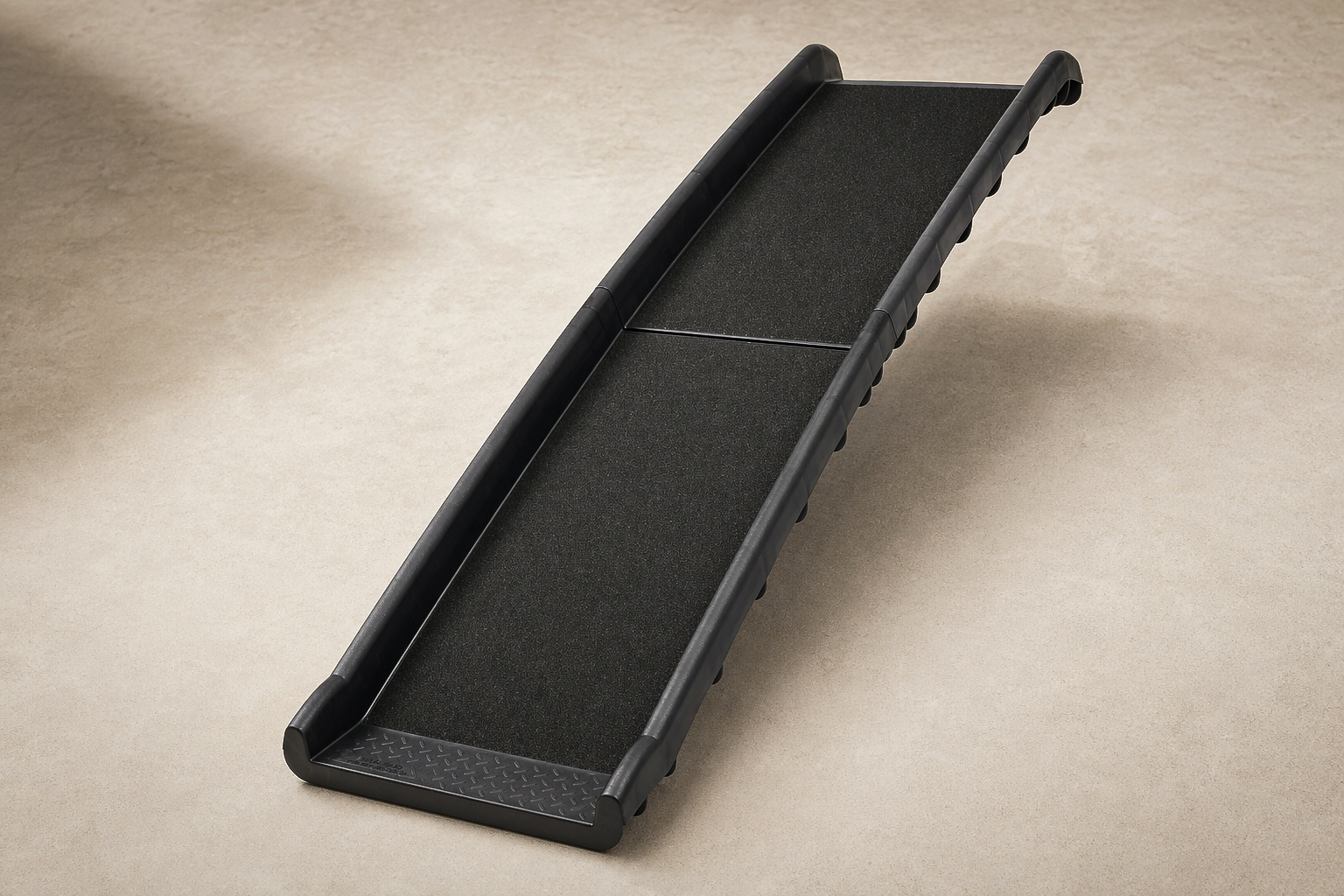
PetSafe UltraLite Portable Ramp
Best Lightweight Car Ramp. A practical vehicle-access option for owners who care more about portability and easy handling than about the heaviest-duty build possible.
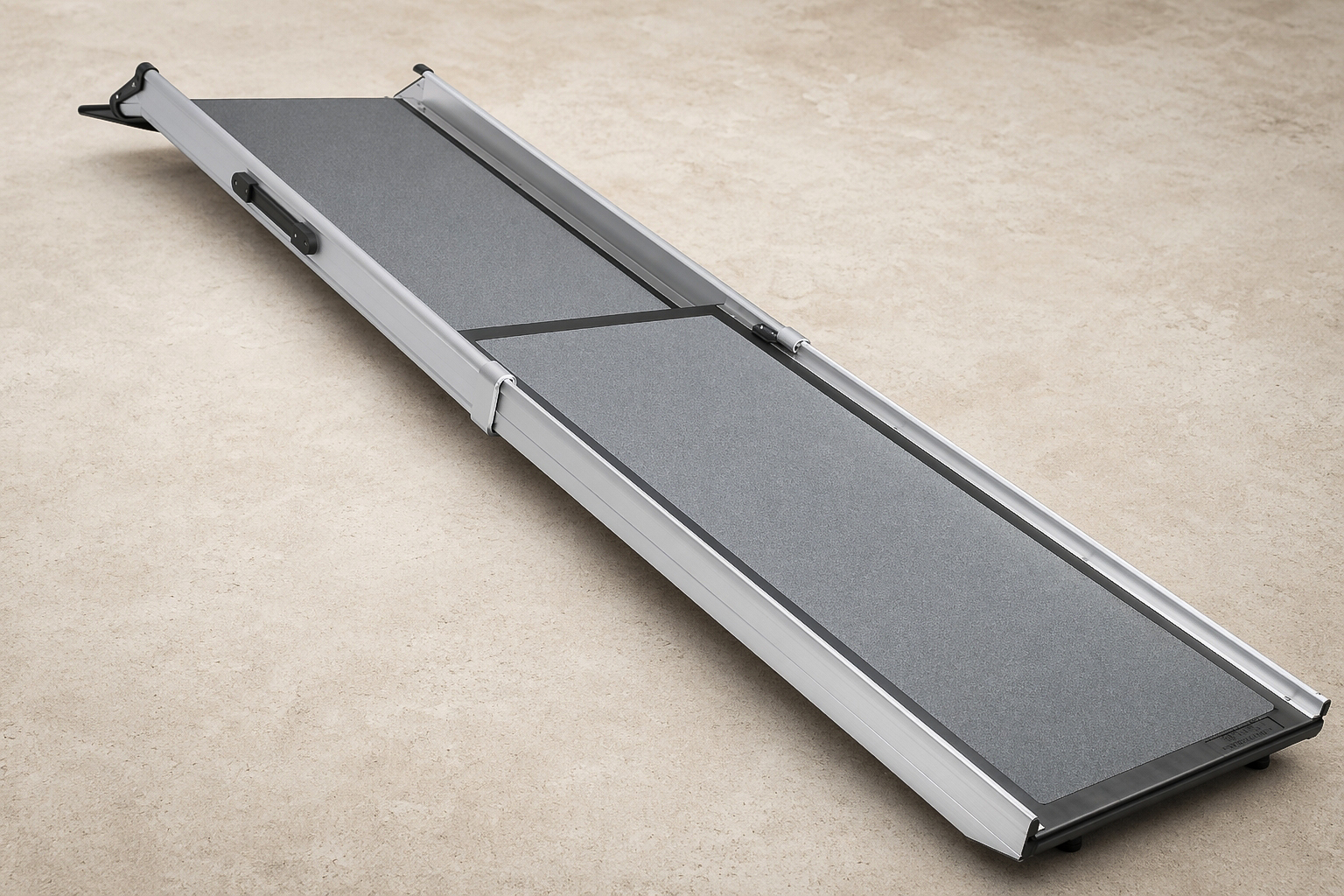
PetSafe Deluxe Telescoping Ramp
Best for SUVs and Higher Entries. A stronger fit when vehicle height is the bigger challenge and the ramp needs more reach than a simpler fixed portable option.
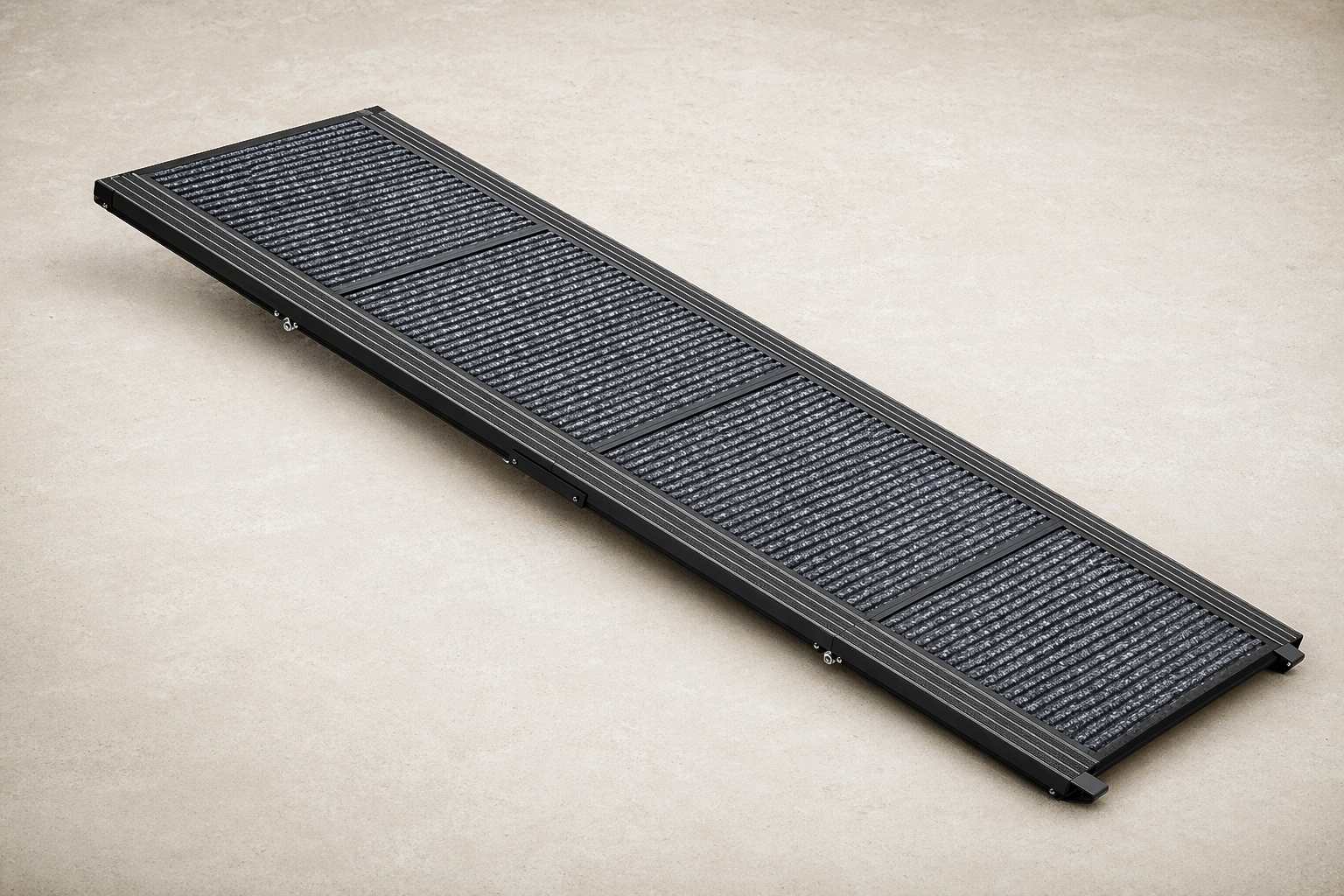
Foldable Portable Dog Ramp
Best Budget Pick. A lower-cost foldable ramp for buyers who want the basic access benefit without paying up for a stronger premium brand.
Quick Comparison Matrix
| Product | Best For | Ramp Type | Use Area | Portability | Grip Surface Focus | Height / Reach Logic | Storage Ease | Amazon |
|---|---|---|---|---|---|---|---|---|
| PetSafe CozyUp Ramp | Most indoor buyers | Indoor furniture ramp | Beds and couches | Moderate | High-traction indoor surface | Indoor furniture access | Moderate | View |
| Foldable Wooden Dog Ramp for Couch | Couch and bed access | Adjustable foldable indoor ramp | Indoor furniture | Moderate | Non-slip indoor ramp surface | Adjustable furniture height range | Easy to moderate | View |
| PetSafe UltraLite Portable Ramp | Lighter vehicle access | Portable car ramp | Car and lower vehicle entry | High | Vehicle traction surface | Moderate vehicle reach | Easy | View |
| PetSafe Deluxe Telescoping Ramp | SUVs and higher entries | Telescoping car ramp | SUVs, trucks, higher vehicles | Moderate | High-traction vehicle surface | Longer telescoping reach | Moderate | View |
| Foldable Portable Dog Ramp | Budget-minded buyers | Foldable ramp | Mixed basic use | High | Non-slip budget traction | Basic general reach | Easy | View |
How We Picked These Dog Ramps
1. Use-case fit came first
We did not treat every dog ramp as interchangeable. The first filter was whether the ramp solved a real buying problem: couch or bed access, car entry, SUV height, senior-dog support, or easier daily access for dogs that should avoid repeated jumping.
2. Safe bestseller bias
The goal here is not random pet-access gear. This page leans toward mainstream, conversion-friendly picks with cleaner buyer trust than low-confidence ramps that sound okay on paper but feel risky in real daily use.
3. Different roles, not five clones
Instead of listing five very similar vehicle ramps, this page separates actual buyer needs: everyday indoor balance, adjustable couch or bed use, lightweight vehicle use, higher-entry telescoping use, and budget foldable value.
4. Daily practicality mattered
Ramp length, traction, storage, and whether the dog can confidently use the ramp mattered more than flashy product claims. A dog ramp is only useful when it feels stable, logical, and easy enough to use consistently.
Best Dog Ramp Options Explained
PetSafe CozyUp Ramp
This is the strongest all-around starting point for most owners because it balances the things that usually matter most for an indoor dog ramp: a clear furniture-access role, mainstream brand trust, practical traction, and a format that makes sense for repeat daily use. It feels like a ramp built to solve a normal home problem instead of forcing an awkward workaround every time the dog wants to get up.
It makes the most sense for owners who want one dependable ramp for beds and couches, especially when reducing repeated jumping is part of the goal. It is not a vehicle ramp, and it is not trying to be. That is part of why it works so well: it solves the indoor-access problem directly and cleanly.
- Best overall dog ramp for most indoor buyers
- Strong furniture-access logic
- Good mainstream starting point for daily joint-friendly use
Foldable Wooden Dog Ramp for Couch
This is the better choice when the real problem is specific indoor furniture height rather than generic access in the abstract. Couches, low beds, higher beds, and different resting spots create different incline angles. That is why adjustable height matters more here than it does on a simple one-height indoor ramp.
It makes the most sense for buyers who know the ramp is going beside a couch or bed and want a sturdy, foldable birchwood ramp with a non-slip surface and several height settings. That can be especially useful when the dog hesitates on steeper ramps or when furniture height is not especially forgiving.
- Best for couch and bed access
- Adjustable height range for furniture use
- Useful for small dogs that need a more manageable incline
PetSafe UltraLite Portable Ramp
This is the cleaner route for buyers who need a vehicle ramp but care a lot about weight, handling, and ease of moving the ramp in and out of the car. A heavier ramp can be great in theory, but if it feels annoying to carry or deploy, some owners stop using it as often as they should.
It makes the most sense for car access, lighter travel use, and owners who want a vehicle ramp that feels easier to manage in normal life. If your vehicle is not especially tall and portability matters a lot, this kind of lighter ramp often feels more realistic than a heavier telescoping model.
- Best lightweight car ramp
- Easier to move and handle
- Good for owners prioritizing portability
PetSafe Deluxe Telescoping Ramp
This is the better fit when the vehicle itself creates the main challenge. SUVs, trucks, and higher entry points change the whole ramp decision because shorter or simpler ramps can become too steep too fast. That is why telescoping reach earns its own role on the page instead of being treated like a minor variation.
It makes the most sense for higher vehicle entry, dogs that need a gentler approach angle, or buyers who know a basic portable ramp will likely feel too short for their setup. It is not the lightest option, but it earns its place because better reach can matter far more than easy handling in the wrong vehicle scenario.
- Best for SUVs and higher vehicle access
- Longer reach helps reduce steepness
- Better for dogs needing a gentler vehicle incline
Foldable Portable Dog Ramp
This is the budget route for buyers who want basic ramp functionality without moving into the higher-priced mainstream brands right away. That can make sense when you are testing whether your dog will actually use a ramp, when the ramp will only be used occasionally, or when the budget simply matters more than owning the best-known name in the category.
It makes the most sense for buyers who want foldability, basic non-slip use, and a lower-cost access option. The trade-off is that budget ramps usually need a little more caution around build confidence and long-term feel, which is exactly why stronger branded picks still sit above it on the page.
- Best budget dog ramp
- Good for lower-cost foldable access
- Useful when price matters more than premium finish
Best for Specific Dog Ramp Situations
Best for Most Indoor Buyers
If you want one ramp that covers the widest range of normal indoor access situations well, the PetSafe CozyUp is the cleanest place to start.
Best fit to start with: PetSafe CozyUp Ramp
Best for Couch Access
If the main challenge is getting onto a couch smoothly and repeatedly without impact-heavy jumping, an adjustable indoor ramp makes more practical sense than a generic one-size setup.
Best fit to start with: Foldable Wooden Dog Ramp for Couch
Best for Cars
If the main goal is getting in and out of a regular car more easily and you want something lighter to handle, the UltraLite route is the cleaner place to start.
Best fit to start with: PetSafe UltraLite Portable Ramp
Best for SUVs
If your vehicle sits higher and a shorter ramp would likely become too steep, the longer telescoping option is the more logical choice.
Best fit to start with: PetSafe Deluxe Telescoping Ramp
Best for Senior Dogs
If the goal is reducing repeated impact and making daily access feel easier, a stable traction-focused ramp usually makes more sense than asking the dog to keep jumping or handling steep stairs.
Best fit to start with: PetSafe CozyUp Ramp
Best for Portable Storage
If you need a ramp that stores away easily and does not feel overly heavy every time you move it, portability becomes a bigger part of the decision than maximum reach.
Best fit to start with: PetSafe UltraLite Portable Ramp
Best for Buyers on a Budget
If you want the basic ramp benefit without paying up for a stronger premium brand, a foldable lower-cost option is the cleaner place to start.
Best fit to start with: Foldable Portable Dog Ramp
Best for Dogs That Hesitate on Steep Angles
If the dog already looks unsure on steeper access paths, more reach and a gentler slope usually matter more than just getting any ramp at all.
Best fit to start with: PetSafe Deluxe Telescoping Ramp
Best for Homes Where the Ramp Stays Out Daily
If the ramp will stay beside the bed or couch all the time, indoor stability, foldability, and everyday room fit start to matter more than pure portability.
Best fit to start with: Foldable Wooden Dog Ramp for Couch
What Actually Matters Most in a Dog Ramp
The incline matters more than the label
A ramp can technically fit the situation and still be too steep to feel good in real use. For many dogs, especially older dogs or hesitant dogs, the usable angle matters more than whether the listing sounds premium.
Traction matters more than material marketing
Carpet, grip coating, textured surface, and general paw confidence matter much more than whether the ramp sounds sleek or stylish. If the dog slips or feels unsure, the ramp fails at the main job.
Indoor ramps and car ramps are different decisions
Indoor ramps often prioritize furniture height, room fit, and daily visibility. Car ramps prioritize portability, reach, and easier setup around vehicle entry. Treating them as the same category creates bad buying decisions.
Longer ramps are often easier ramps
More length usually means a gentler slope. That often matters more than buyers expect, especially with higher beds, taller couches, SUVs, or dogs that already hesitate at steep access.
The dog’s confidence matters as much as the hardware
A ramp that looks sturdy to the owner still has to feel acceptable to the dog. Surface grip, width, and a less intimidating incline can make a bigger real-world difference than small hardware details.
Storage and handling affect actual use
A great ramp that is annoying to carry, unfold, or store may get used less consistently than a slightly simpler ramp that feels easy to manage day after day.
Width influences comfort and confidence
Narrow ramps can feel more intimidating, especially for bigger dogs or dogs that already move cautiously. Enough usable walking width helps the ramp feel less precarious.
Senior-dog logic is about repeated impact reduction
A ramp is not only for dogs that cannot jump at all. It can also make sense for dogs that still can jump, but would benefit from less repeated strain over time.
A ramp should match the exact access point
A ramp for a low couch, a tall bed, and an SUV are not interchangeable in the way many listings imply. The best ramp is the one that matches the actual height and space available.
Adjustability helps most when furniture height varies
Adjustable indoor ramps make more sense when the bed or couch height is a real part of the problem. If the height is fixed and simple, a non-adjustable ramp may be enough.
Portable does not always mean best
Some owners overvalue foldability and light weight even when the ramp will mostly stay in one place. In those cases, a steadier indoor ramp may be the better choice than the lightest option.
A good ramp should feel like part of the routine, not a workaround
The best dog ramp is one that becomes normal to use. It should feel stable enough, easy enough, and logical enough that both owner and dog actually use it consistently.
Common Mistakes When Buying a Dog Ramp
Buying a ramp that is too steep
This is one of the most common mistakes in the category. A ramp can technically reach the target and still feel too steep to be comfortable or confidence-building for the dog.
Ignoring traction
A slick ramp surface makes the whole product less usable. Dogs need to feel their paws grip the surface, especially on downward movement.
Buying an indoor ramp for car use
Indoor ramps and vehicle ramps solve different problems. Using the wrong type can create storage, reach, and angle problems quickly.
Choosing stairs when a ramp would be easier on the dog
Some dogs do fine on stairs, but for others a ramp creates a smoother, lower-impact access path. The two are not interchangeable for every mobility situation.
Buying only by foldability
Foldable is useful, but it does not matter much if the ramp still feels unstable, too narrow, or too steep once opened.
Ignoring the actual height of the couch, bed, or vehicle
Buyers often search by “dog ramp” first and only later think about the real height involved. That can lead to choosing the wrong ramp length or type.
Choosing too narrow a ramp for a bigger dog
Bigger or more cautious dogs often need enough walking width to feel secure. A ramp that feels narrow can reduce confidence even if the traction is decent.
Assuming the cheapest ramp is good enough for daily use
Budget ramps can work, but repeated daily use often exposes weaknesses in grip, stability, or overall confidence faster than buyers expect.
Not thinking about storage before buying
A ramp that feels too bulky or awkward to store may end up being used less, especially for car access where setup happens repeatedly.
Expecting the dog to use the ramp confidently right away
Some dogs need a little time and repetition, especially if they have never used a ramp before. The ramp still needs to be easy enough to learn on.
Focusing only on weight capacity numbers
Capacity matters, but it is not the whole story. The dog still needs comfortable width, good traction, and a reasonable incline to use the ramp well.
Forgetting that repeated jumping is the real issue for many dogs
Some owners wait until the dog fully struggles before considering a ramp. In many cases, the smarter decision is to reduce repeated jumping sooner rather than later.
Frequently Asked Questions
What is the best dog ramp?
For most owners, the best dog ramp is a stable, traction-focused ramp that clearly matches the use case: indoor furniture access for beds and couches, or a vehicle ramp for car and SUV entry.
Are dog ramps better than dog stairs?
Sometimes, yes. For many dogs, especially dogs that should avoid repeated impact or steeper step-by-step movement, a ramp can be the easier and lower-strain option.
Are dog ramps good for senior dogs?
Yes, especially when the goal is reducing repeated jumping and making daily access feel smoother and less demanding. A good ramp can be a very practical comfort upgrade for senior dogs.
What is the best dog ramp for a bed?
The best bed ramp is usually an indoor ramp with enough traction, enough length to avoid a harsh incline, and ideally some adjustability if bed height is part of the challenge.
What is the best dog ramp for an SUV?
A longer telescoping or higher-reach vehicle ramp usually makes the most sense because taller vehicle entry points often create steeper angles with shorter ramps.
How long should a dog ramp be?
Long enough to create a manageable incline for the target height. In general, more length often means an easier slope, which can make the ramp feel much more usable.
Do dogs actually use ramps?
Many do, especially when the surface feels secure and the angle is manageable. Some dogs need a little time to get used to the new access path.
What matters more in a dog ramp, weight capacity or traction?
Both matter, but traction often affects real confidence more immediately. A ramp can support the dog’s weight and still feel difficult to use if the surface is too slippery.
Can a dog ramp help prevent strain from jumping?
Yes, that is one of the main reasons many owners buy one. A ramp can reduce how often a dog has to launch up or jump down from furniture or vehicles.
Should I get a foldable or telescoping dog ramp?
That depends on the use case. Foldable ramps often work well for simpler storage and basic portability, while telescoping ramps often make more sense when you need longer reach for higher vehicles.